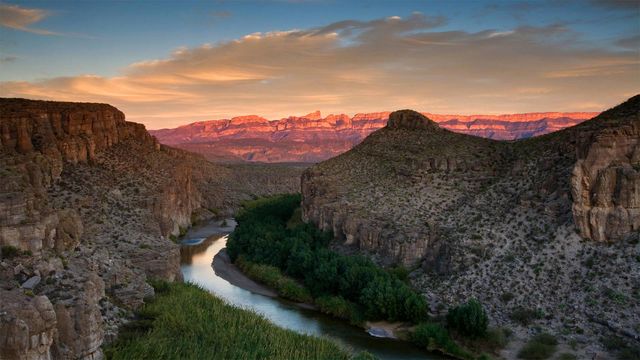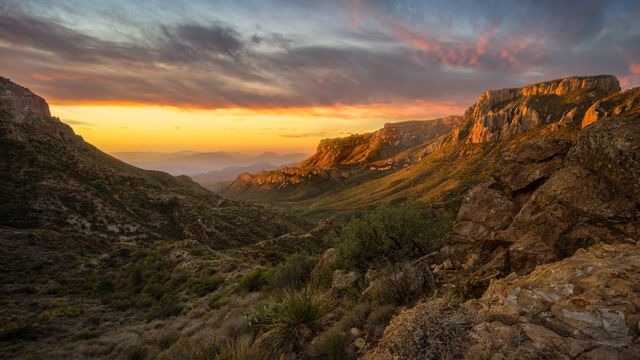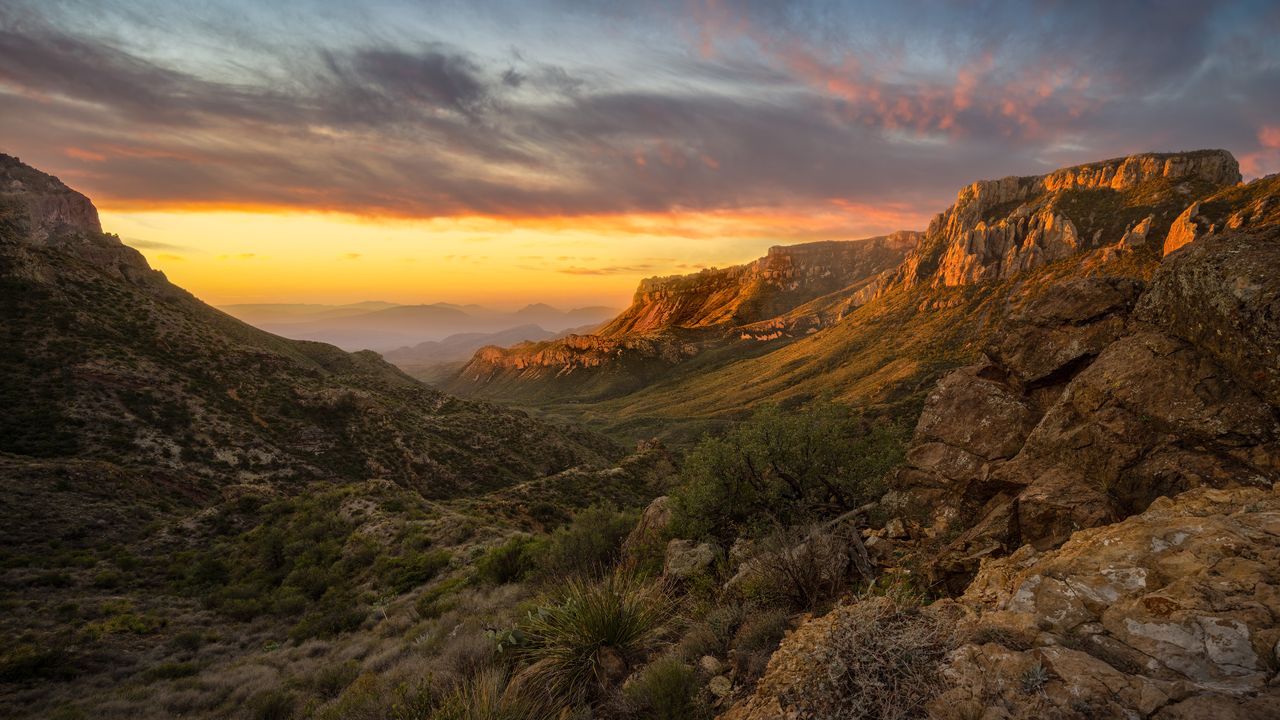
Chisos Mountains, Big Bend National Park, Texas, United States
© Dean Fikar/Getty Image
Stars, stone and solitude. Big Bend National Park, Texas, United States
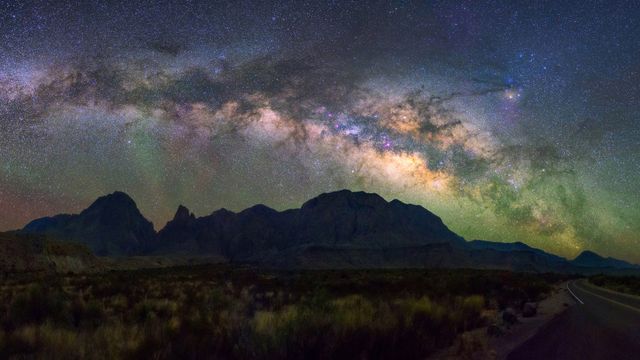
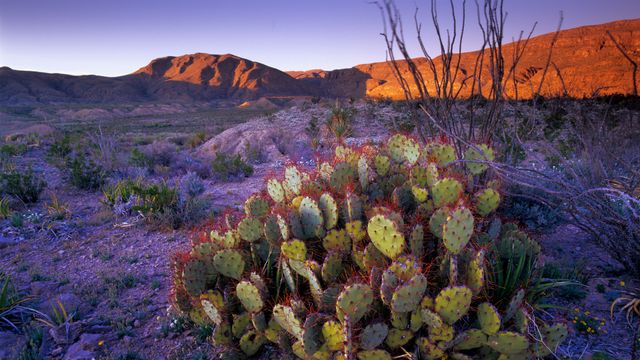
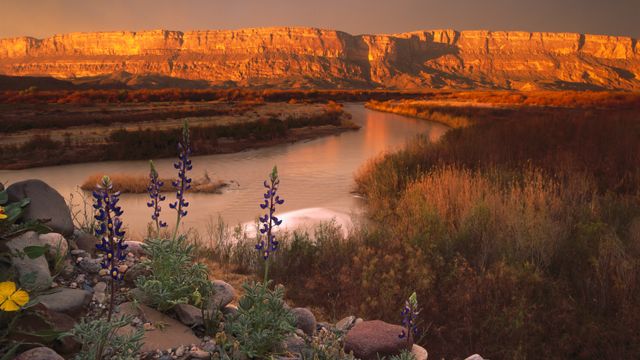
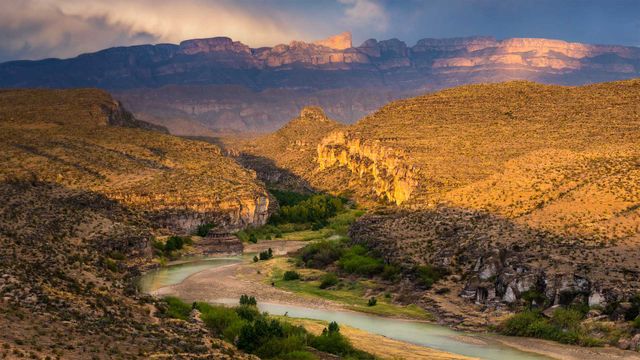
They say everything's bigger in Texas—and Big Bend National Park has been living up to the slogan since forever. The 801,163-acre (324,219-hectare) area, originally part of Mexico, became a part of the United States in 1848. Efforts to preserve its beauty began in the 1930s, culminating in its official designation as a park on June 12, 1944. Big Bend remains one of the most remote and least-visited national parks in the country. It's not just one landscape, it's three: the Chihuahuan Desert, the Chisos Mountains (pictured here) and the Rio Grande. Big Bend sits on the United States–Mexico border, and its history reflects that blend. Indigenous peoples, Spanish explorers, ranchers, miners and modern travellers have all left their footprints. Petroglyphs, ruins and old trails show the land's story began long before it became a park.
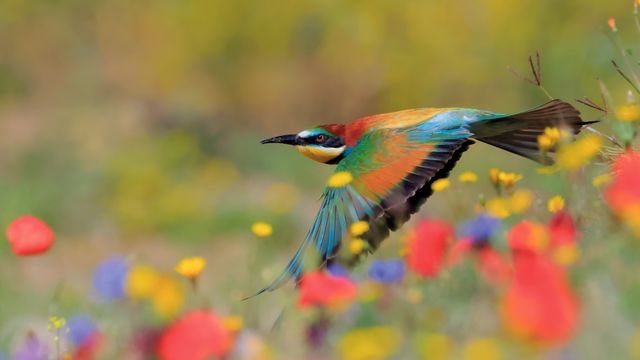
The park is home to over 1,200 species of plants, more than 450 species of birds and a wide variety of mammals, reptiles and amphibians. You might spot a roadrunner zipping across the dirt or a bobcat silently slipping through the underbrush. Additionally, it has been designated as one of the best dark-sky parks in America, offering views of the Milky Way, planets and constellations.
Related Images
 Chital deer in misty grassland at dawn, Kanha National Park, India
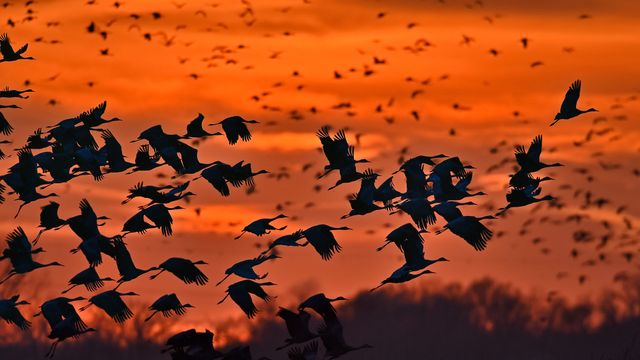 Sandhill cranes taking flight over the Platte River near Kearney, Nebraska, USA
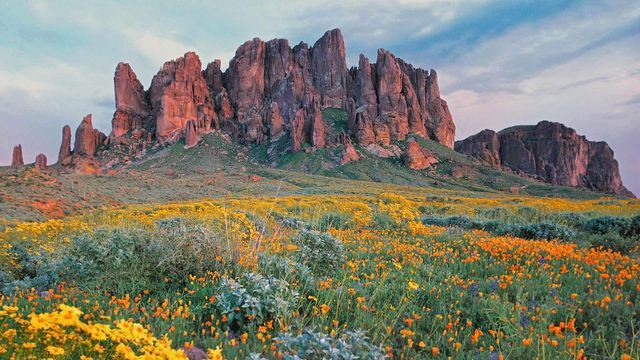 Wildflowers in bloom at Lost Dutchman State Park in Arizona, USA
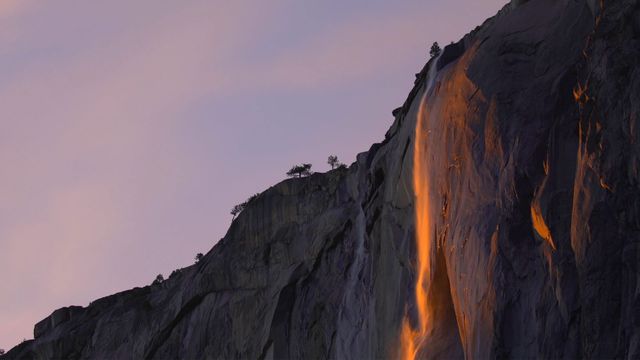 Firefall at Horsetail Fall, Yosemite National Park, California, USA
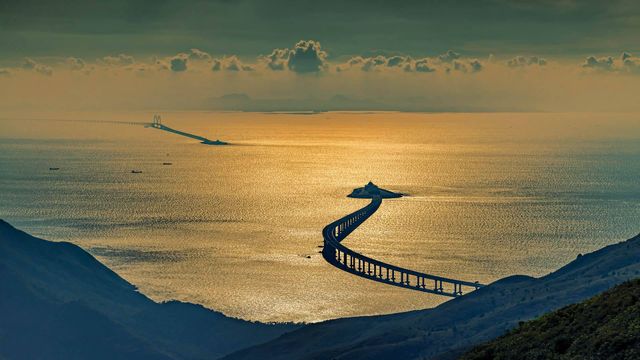 Hong Kong-Zhuhai-Macau Bridge, China
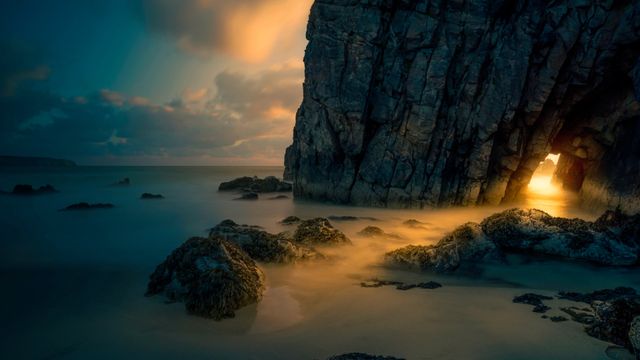 Light from sunrise through a sea cave on the Isle of Skye, Scotland
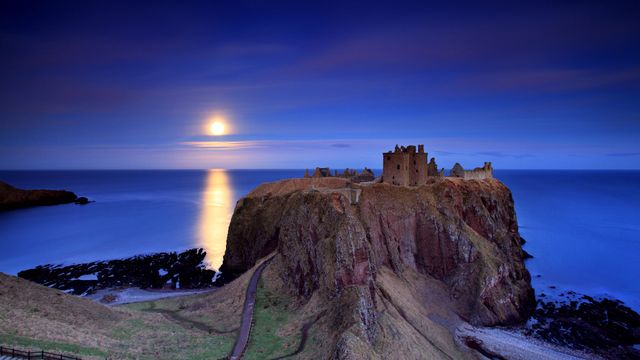 Full moon rising over Dunnottar Castle near Stonehaven on the north-east coast of Scotland
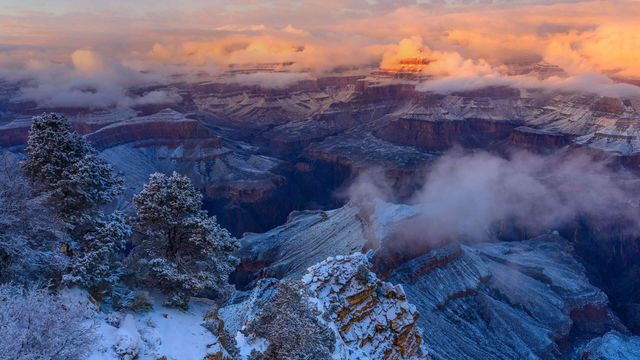 Winter at the Isis Temple in Grand Canyon National Park, Arizona, USA
Bing Today Images