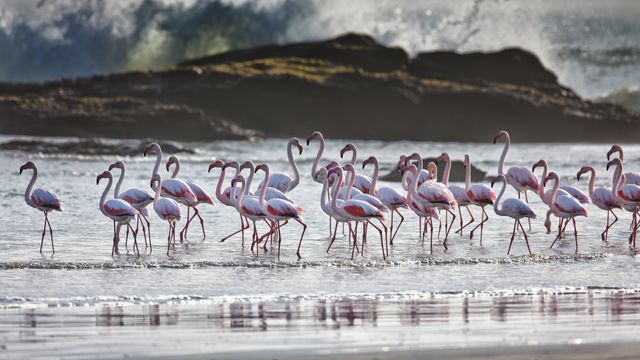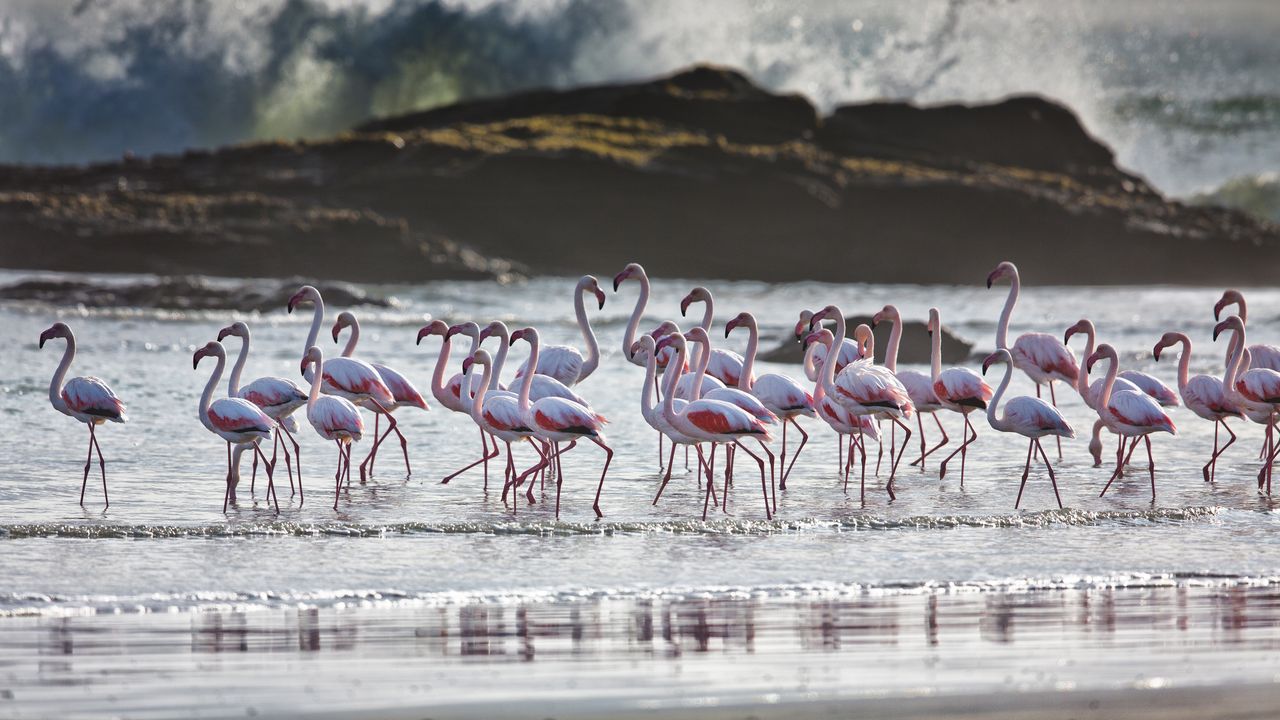
Greater flamingos, Lüderitz, Namibia
© Karine Aigner/TANDEM Stills + Motio
A tidal ballet. Greater flamingos, Lüderitz, Namibia
In Lüderitz, Namibia, these birds aren't just passing through—they're standing their ground. Literally. On one leg. These long-legged locals, the greater flamingos, bring a splash of pink to Namibia's windswept Atlantic coast. These birds are the largest of their kind, and they're not shy about showing off. Towering up to 150 centimetres tall with spoon-shaped bills and stilt-like legs, they're easy to spot.
That bubblegum pink hue? That's all diet. Flamingos feed on algae, crustaceans and tiny invertebrates packed with carotenoids—the same pigments that make carrots orange. The more they eat, the pinker they get. In other words, they're what they eat, right down to the blush. In the air, flamingos are sleek flyers, cruising long distances in a V-formation. Their migration habits are still being studied, but it's clear they go where the wetlands flow—from inland salt pans to coastal sanctuaries, always in search of food and safe nesting zones.
Related Images
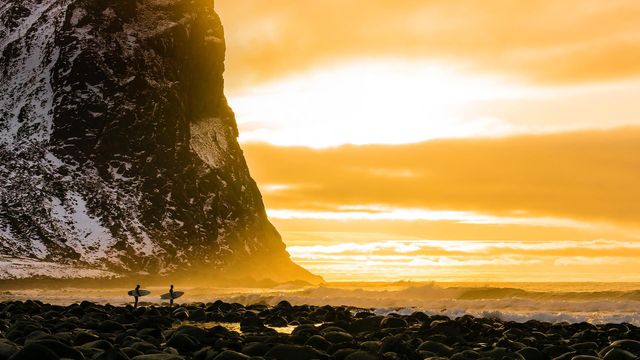 Arctic surfing trip in the Lofoten Islands, Norway
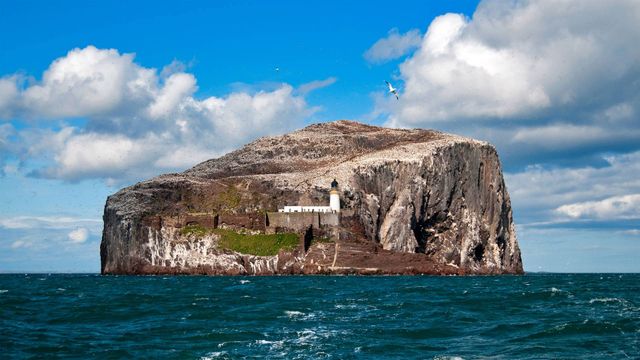 The Bass Rock in Scotland’s Firth of Forth
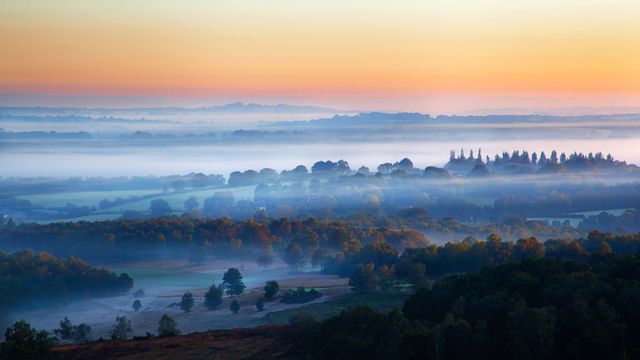 Misty sunrise in Ashdown Forest, East Sussex
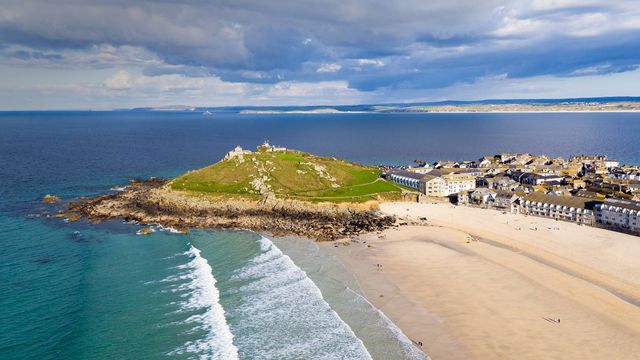 Porthmeor beach in St Ives, Cornwall, England
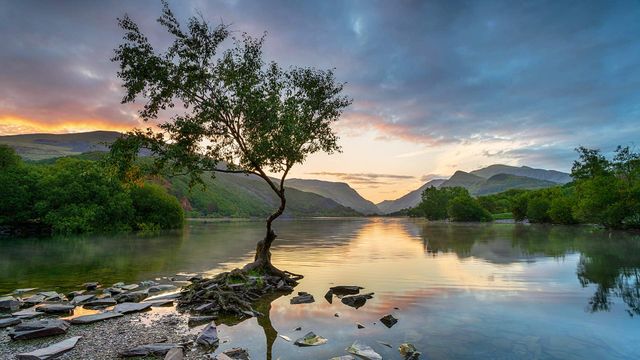 Sunrise at Llyn Padarn at Llanberis, Snowdonia National Park
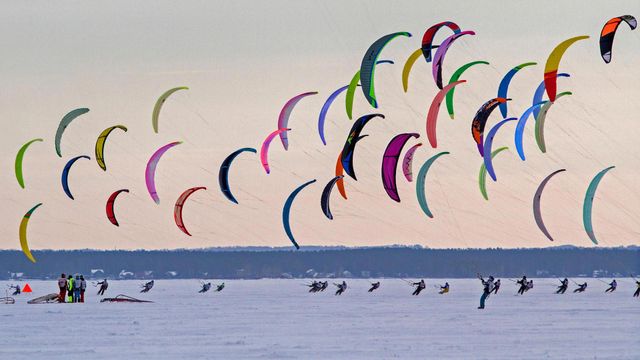 Siberian Snowkiting Cup in Novosibirsk, Russia
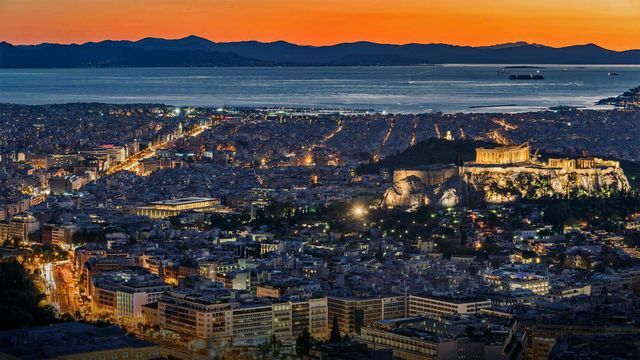 Athens, Greece, for Greek Independence Day
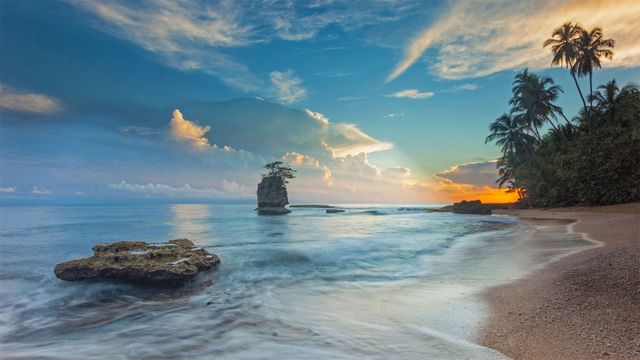 The shoreline of Cahuita National Park, in Costa Rica
Bing Today Images