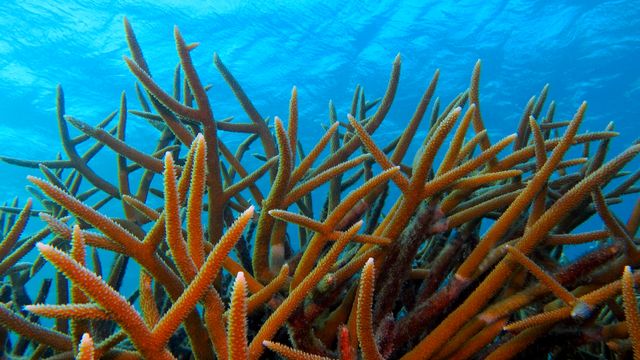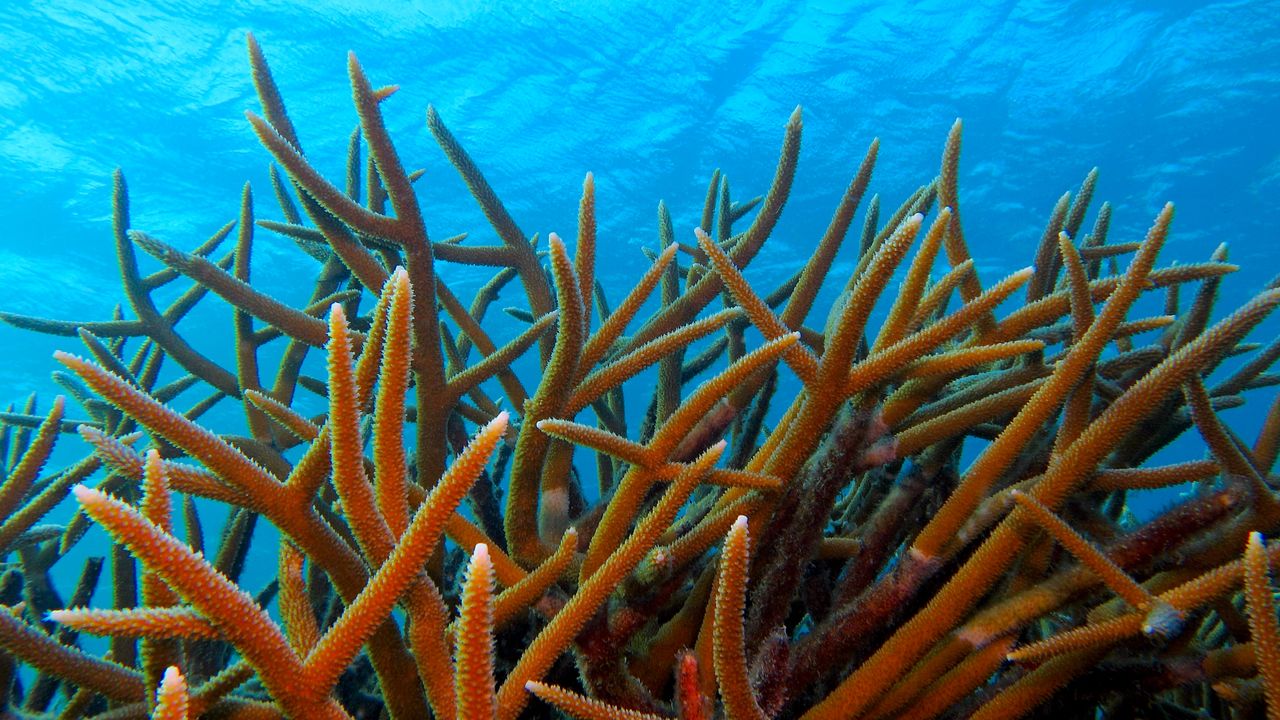
Staghorn coral off the island of Bonaire, Caribbean Netherlands
© blue-sea.cz/Shutterstoc
Staghorn coral in shallow ocean
Staghorn coral—pictured here—is a branching, stony coral that plays a vital role in shaping marine ecosystems. It can be easily recognised by its thick, upright branches that can grow more than 2 metres tall. These strong, round branches look a lot like a stag's antlers, which is why it's called Staghorn coral. Scientifically named Acropora cervicornis, it is among the fastest-growing corals on Earth—serving as a central hub of biodiversity in the Western Atlantic.
Like other members of the Acropora genus, Staghorn corals are surprisingly efficient predators. They use their tiny, stinging tentacles to capture and consume zooplankton, which are small drifting animals found in the water column. These corals are also primarily nocturnal hunters, choosing the cover of darkness to extend their delicate tentacles and begin feeding. Staghorn coral reef is home to roughly 25% of all marine species, despite covering less than 1% of the seafloor. These ecosystems not only support ocean biodiversity but also protect coastlines and drive economies through tourism and fishing.
Related Images
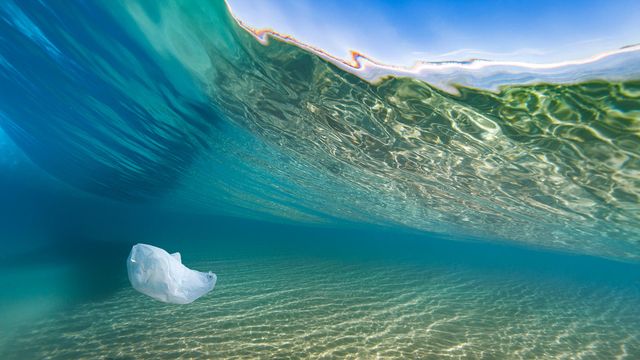 A plastic bag hovers underneath a breaking wave at the beach
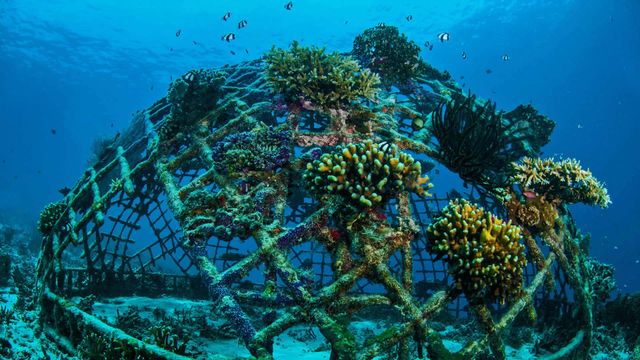 Biorocks growing coral off the Gili Islands, Indonesia
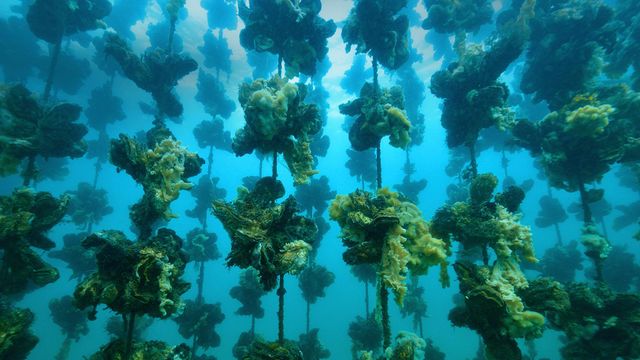 Oyster farm offshore from Notojima Island, Ishikawa Prefecture, Japan
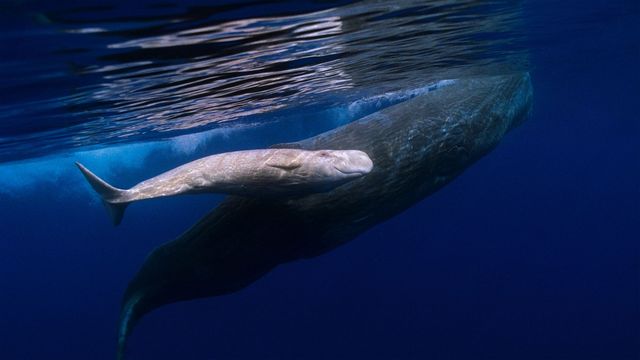 Sperm whale mother and albino baby swimming off the coast of Portugal
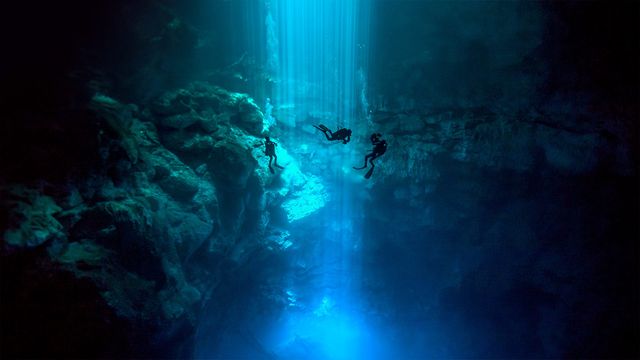 Divers at El Pit Cenote, located in Dos Ojos Natural Park, Quintana Roo, Mexico
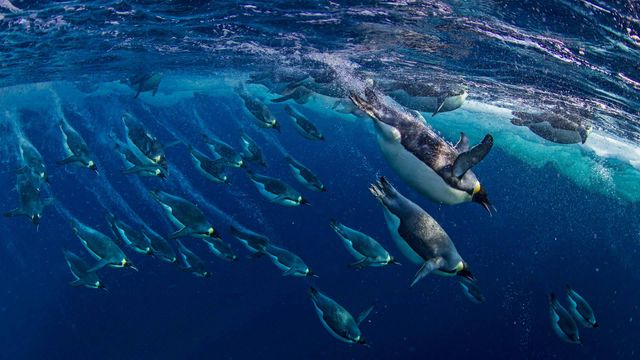 Emperor penguins in the Ross Sea, Antarctica
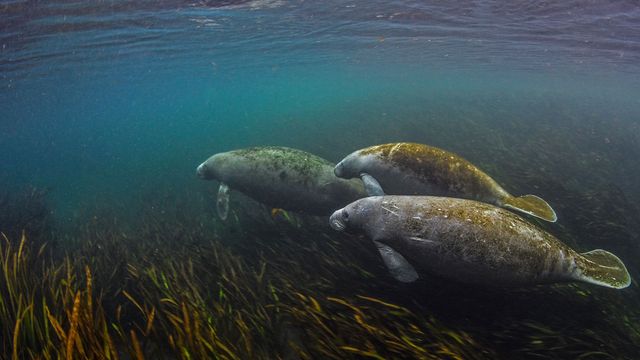 Manatees in the Ichetucknee River in Florida
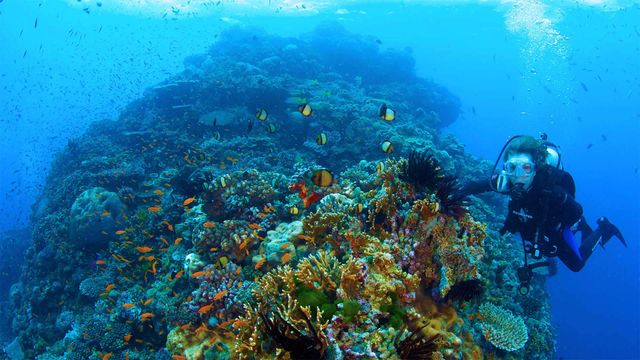 Dr. Sylvia Earle explores the Great Barrier Reef in a scene from 'Mission Blue'
Bing Today Images