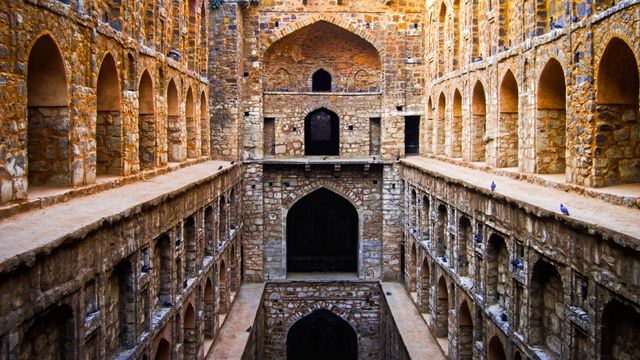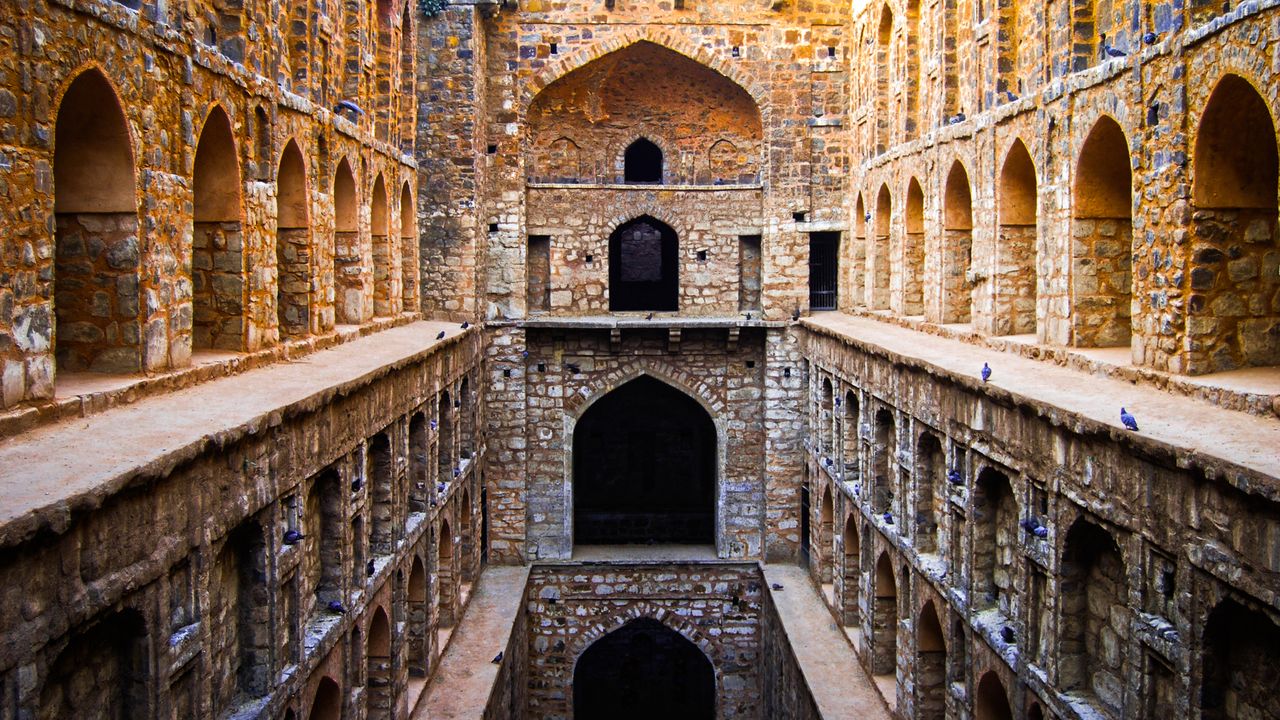
Agrasen Ki Baoli, Connaught Place, New Delhi
© Neha Gupta/Getty Image
Down we go!. Agrasen Ki Baoli, Connaught Place, New Delhi
Long before tanks and taps came along, people in India found a genius way to store water: stepwells, or baolis, as they're fondly known. Known by many other names like bawdi, baori or vav, they have deep roots in Indian history and language, with origins in the Sanskrit word 'vapi.' In fact, the concept of stepwells dates all the way back to the Indus Valley Civilisation, with ancient sites like Dholavira showcasing some of the earliest examples of this ingenious way to manage water in arid climates.
While many of these ancient structures are scattered across India, one example stands right in the heart of New Delhi. Agrasen Ki Baoli, featured here, offers a surprising pocket of calm. This 60-metre-long, 15-metre-wide stepwell is believed to have been built by the Aggarwal community in honour of their ancestor, Agrasen, though no official records confirm it. With 108 stone steps and three visible levels lined with arched niches, this baoli is a rare sight in the capital. Likely rebuilt during the Tughlaq or Lodi period, it also features a small three-sided mosque and hints of Persian-inspired, climate-friendly architecture that once made it a smart water solution.
Related Images
 Artist Luke Jerram's installation 'Museum of the Moon' at Liverpool Cathedral, England
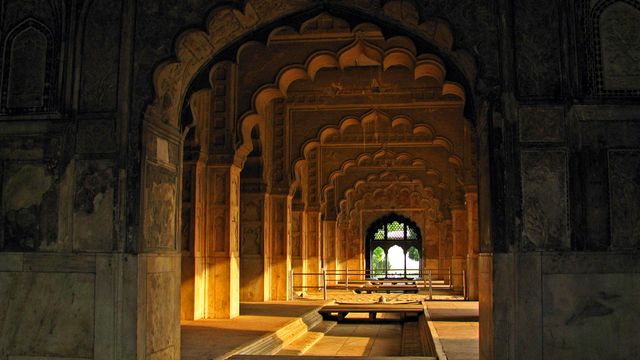 The Rang Mahal palace inside the Red Fort, New Delhi
 The Supertree Grove in Singapore's Gardens by the Bay
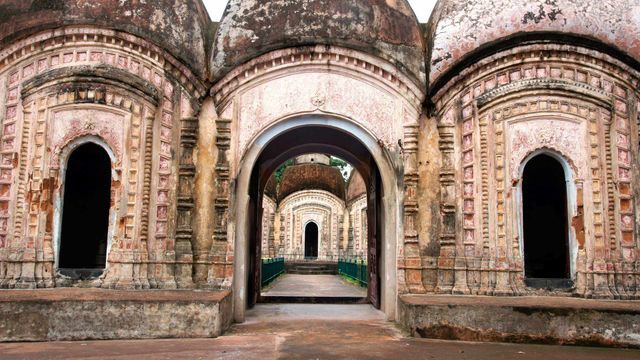 108 Shiva temple, Kalna, Bardhaman district, West Bengal
 The Crystal Bridges Museum of American Art in Bentonville, Arkansas
 At the Arch of Septimius Severus in the Roman Forum for the ides of March
 View of the Gateway of India during a storm
 Seville, Spain’s Guadalquivir River and Triana Bridge for the 500th anniversary of Magellan’s departure
Bing Today Images