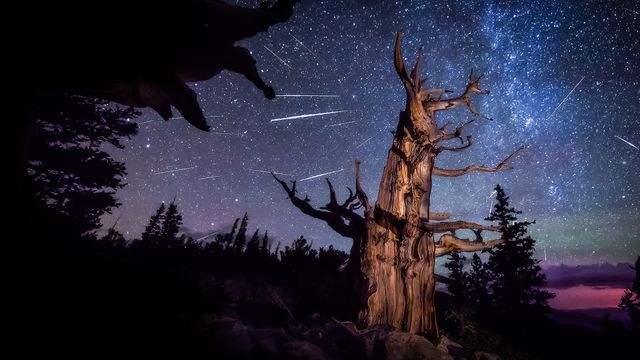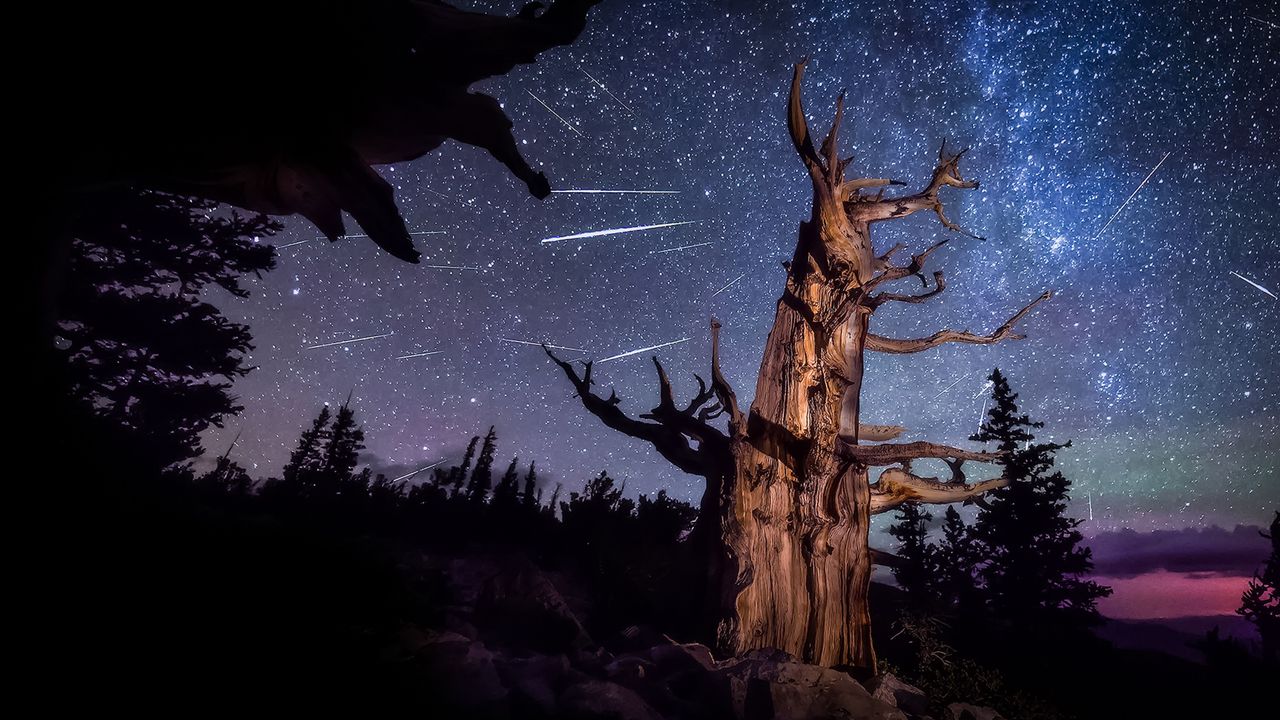
Perseid meteor shower and an ancient bristlecone pine, Great Basin National Park, Nevada, United States
© Wirestock Creators/Shutterstoc
Timeless glow. Perseid meteor shower over Nevada
Get ready for one of the most dazzling celestial displays of the year—the Perseid meteor shower. Active from mid-July through late August, it reaches its spectacular peak on the night of August 12 into the early hours of August 13 this year. The Perseids light up the skies when Earth passes through a trail of icy and rocky debris left behind by Comet Swift–Tuttle, which last passed close to our planet in 1992. These meteors are called the Perseids because they appear to streak from the direction of the constellation Perseus.
For those hoping to catch a glimpse of this breathtaking show, the Perseid meteor shower is best viewed from the Northern Hemisphere, extending down to the mid-southern latitudes. One such vantage point is Great Basin National Park in Nevada, United States, seen in today's image, where ancient bristlecone pines stand beneath a sky ablaze with shooting stars. These remarkable trees are the oldest non-clonal species on Earth. Shaped by relentless wind, snow and rain, they've endured for millennia—witnessing ice ages, volcanic eruptions and the rise and fall of civilisations. In Canada, some of the best spots to view the Perseids include Jasper National Park in Alberta and Torrance Barrens Dark-Sky Preserve in Ontario, both offering low light pollution and expansive night skies.
Related Images
 Night scenery with full noon, Mount Assiniboine Provincial Park, B.C.
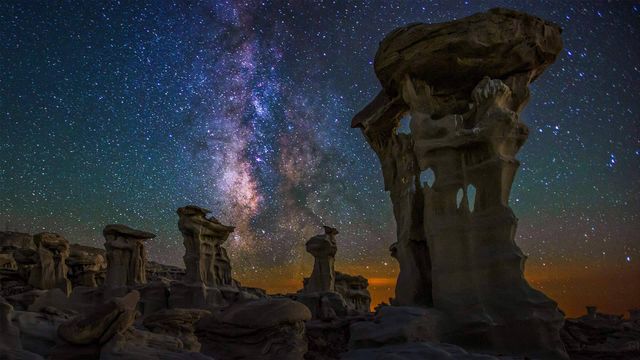 Milky way over the Bisti/De-Na-Zin Wilderness in New Mexico
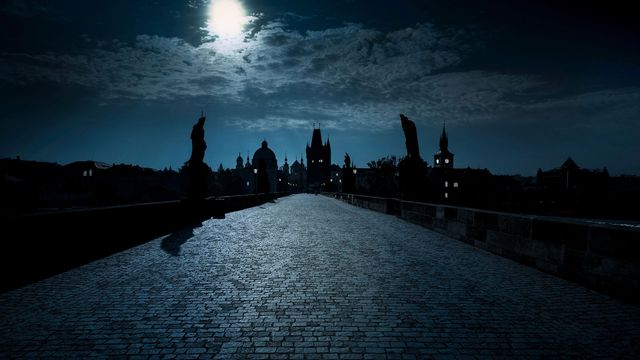 Charles Bridge over the Vltava River in Prague
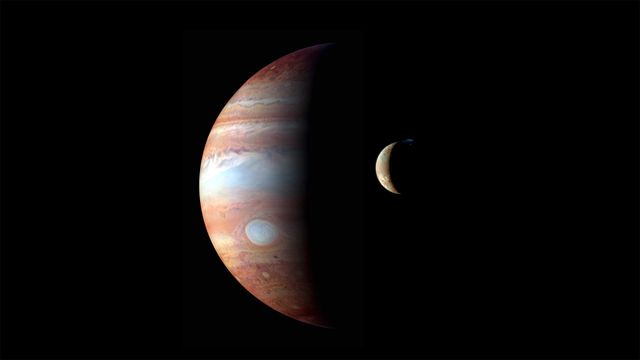 Montage of images of Jupiter and its volcanic moon Io
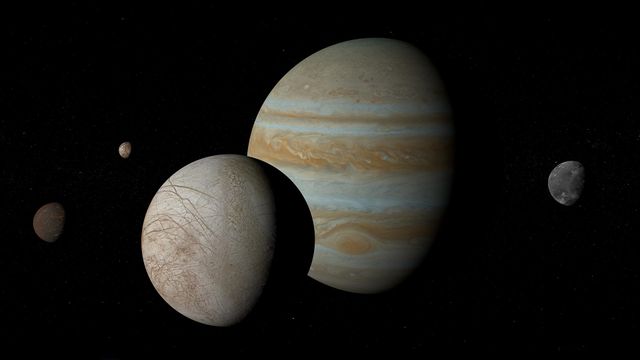 Moons of Jupiter—Io, Europa, Ganymede, and Callisto
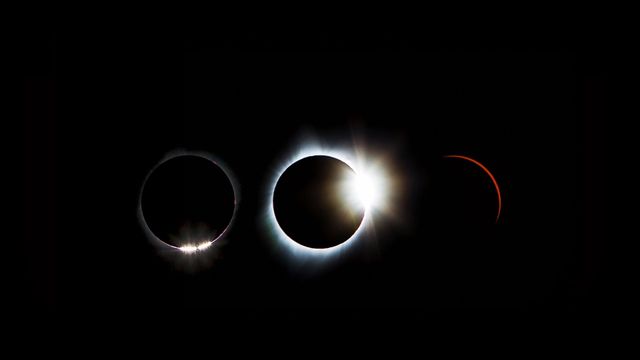 Solar eclipse sequence from August 21, 2017
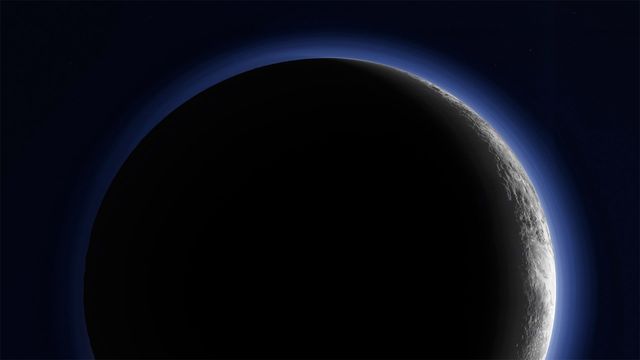 Pluto's crescent imaged by NASA's New Horizons interplanetary space probe
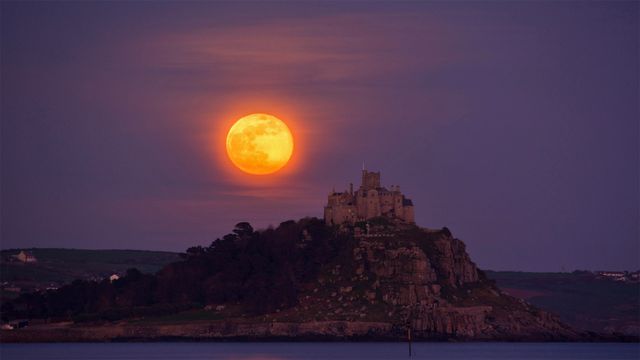 The April full moon, or pink moon, rises over St. Michael's Mount, Cornwall, England
Bing Today Images