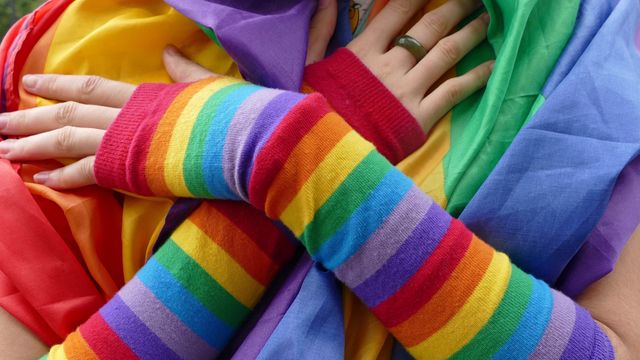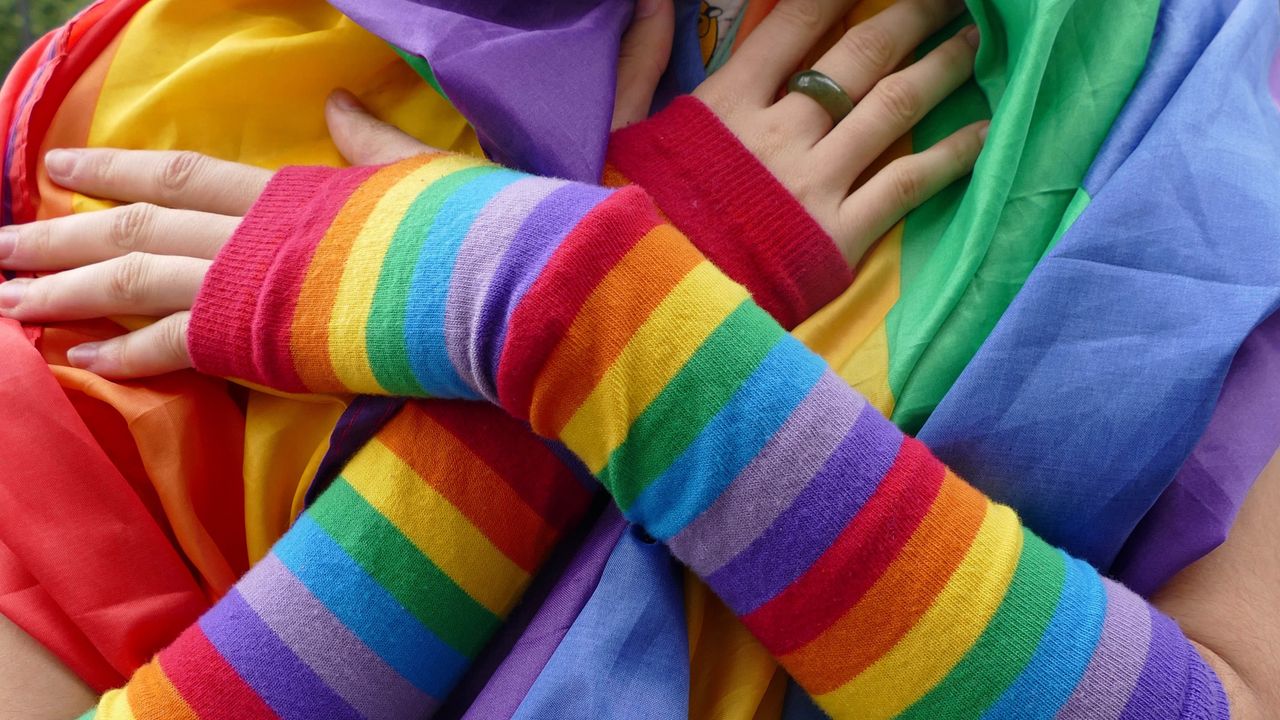
Pride in London in 2016
© Gail Orenstein/NurPhoto/Getty Image
Marching to the beat of equality. Pride in London
Every year, London swaps its signature grey for every shade of the rainbow, as Pride in London steps off with colour, music and a message. But this isn't just a glitter parade—it's part protest, part celebration and all heart. The event has its roots in 1972, just three years after the Stonewall Uprising in New York City, United States. Inspired by that act of resistance, about 2,000 people gathered in London for its first Pride march, walking from Trafalgar Square to Hyde Park. That small march grew into one of the United Kingdom's largest annual events. Today, hundreds of thousands fill the streets, from drag queens and dykes on bikes to queer teens and allies with banners.
The festivities include live music, dance performances, speeches and community stalls stretching across central London. Soho becomes a pedestrian-only party zone and Trafalgar Square hosts main stage acts. The 2025 festival will be themed 'These Colours Don't Run.' This theme is a powerful statement of resilience and unity within the LGBTQIA+ community, highlighting the importance of standing firm against adversity and continuing the fight for equal rights and recognition.
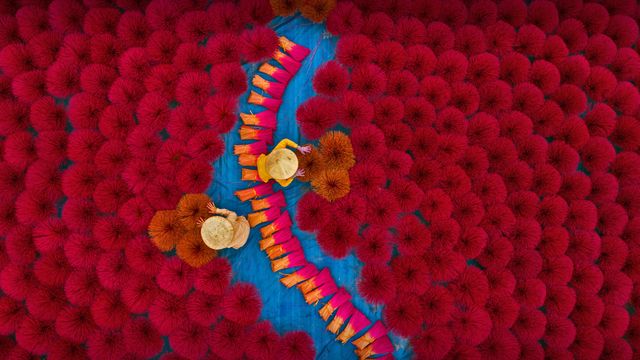 Workers in an incense field in the Huyện Ứng Hòa district of Hanoi, Vietnam
Bing Today Images