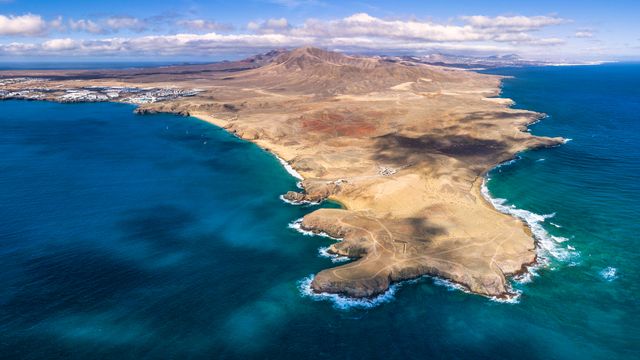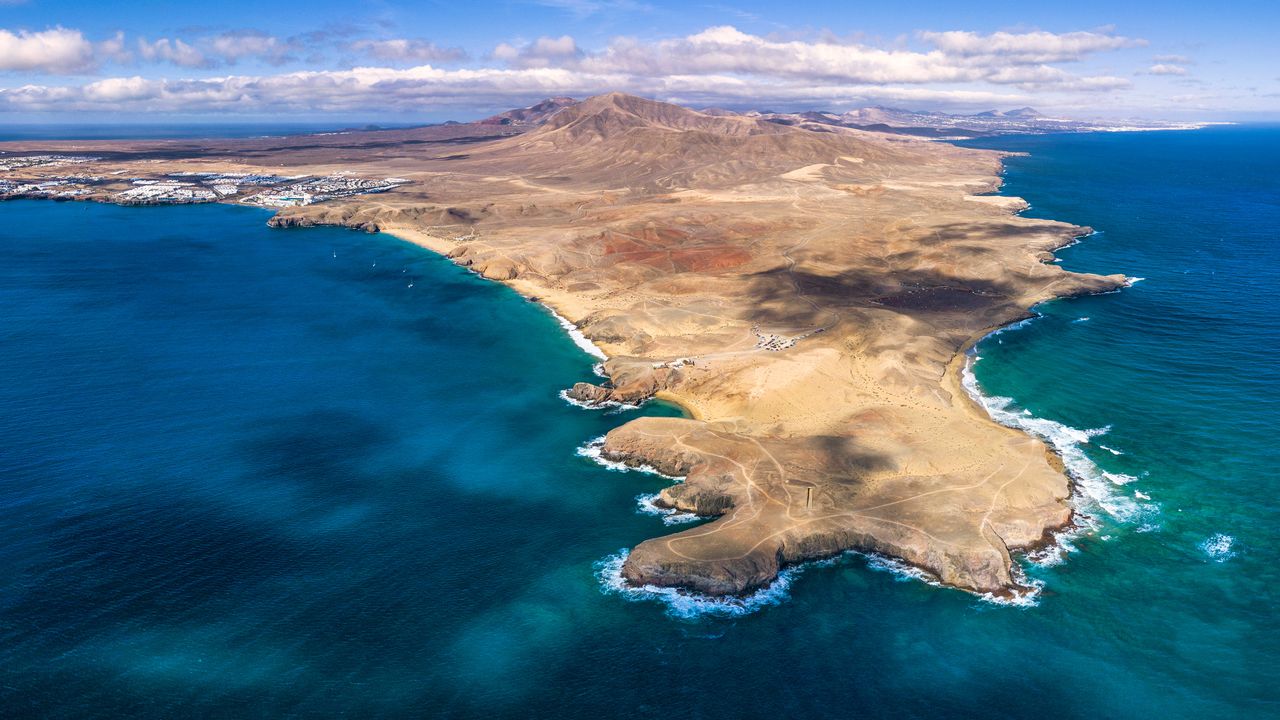
Papagayo Beach, Lanzarote, Canary Islands, Spain
© Gavin Hellier/Getty Image
Papagayo Beach, Lanzarote, Canary Islands, Spain
A beach born from fire rarely does so subtly, yet Papagayo Beach manages exactly that. The shoreline we see today rests on the southern edge of Lanzarote, one of Spain's Canary Islands. Tropical fantasy? More like volcanic precision. Millions of years ago, this land rose in successive layers of basalt and ash thrust upward by submarine eruptions.
About 122 metres long, the cove feels intimate. Nestled within Los Ajaches Natural Monument, it remains protected and deliberately low-key. Once, it sheltered sailors navigating between Africa and Europe. Today, it is reached by foot, boat or a famously bumpy dirt road—preservation by inconvenience. Cliffs arc around the bay, forming natural breakwaters that temper the Atlantic into calm, clear shallows. Fish flicker through the light, crabs patrol the tidal edges and octopuses vanish into stone. The sand's warm, golden tone? Pulverised shells mixed with volcanic rock, refined by millennia of tides. Papagayo's power lies in its contrasts: forged by eruption, shaped by erosion and preserved by restraint.
Related Images
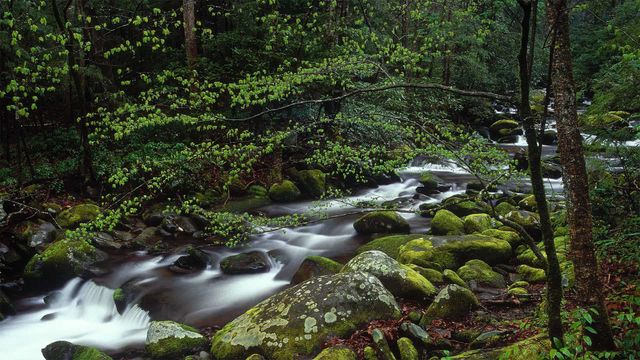 Roaring Fork in Great Smoky Mountains National Park, Tennessee
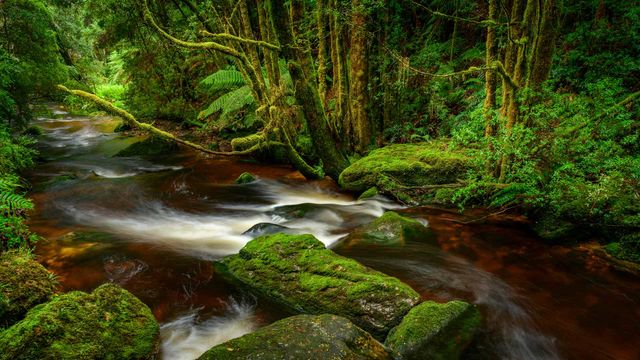 Franklin-Gordon Wild Rivers National Park, Tasmania
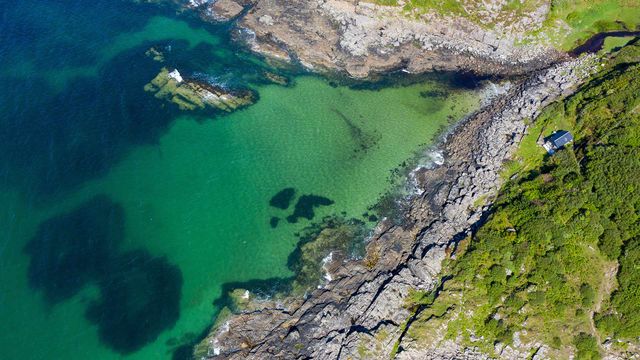 Portuairk, Ardnamurchan peninsula, Scottish Highlands
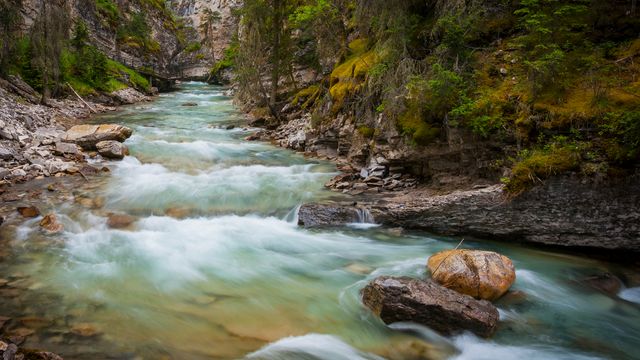 Johnston Canyon, Banff National Park, Canada
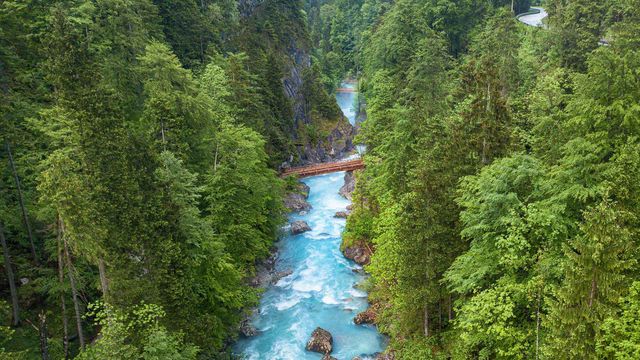 Steyr river, Austria
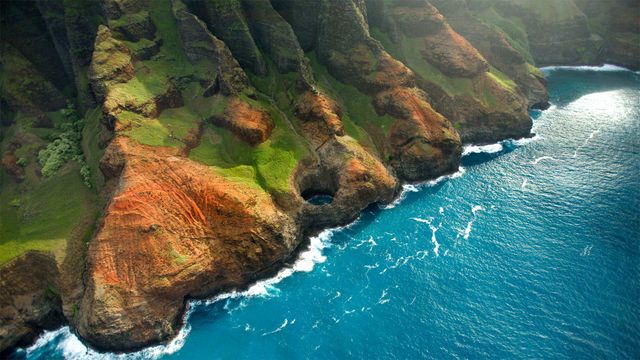 Bright Eye sea cave, Nā Pali Coast, Kauai, Hawaii, USA
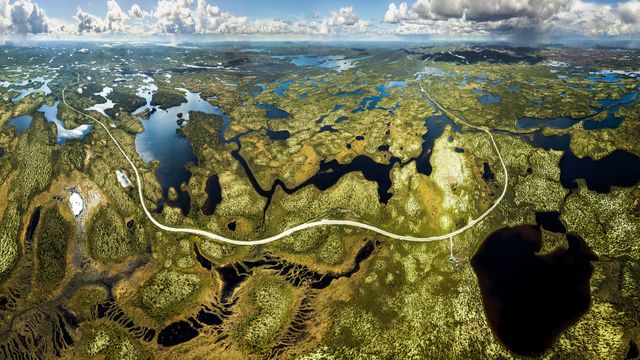 Trans-Taiga Road, Northern Quebec, Canada
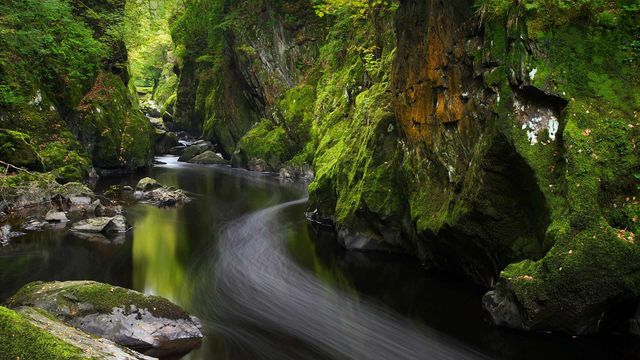 Fairy Glen, Betws-y-Coed, Wales, United Kingdom
Bing Today Images