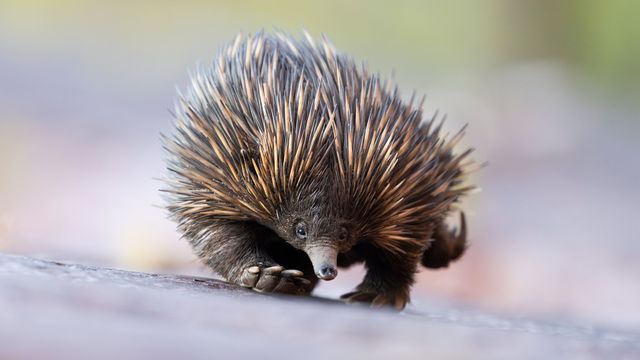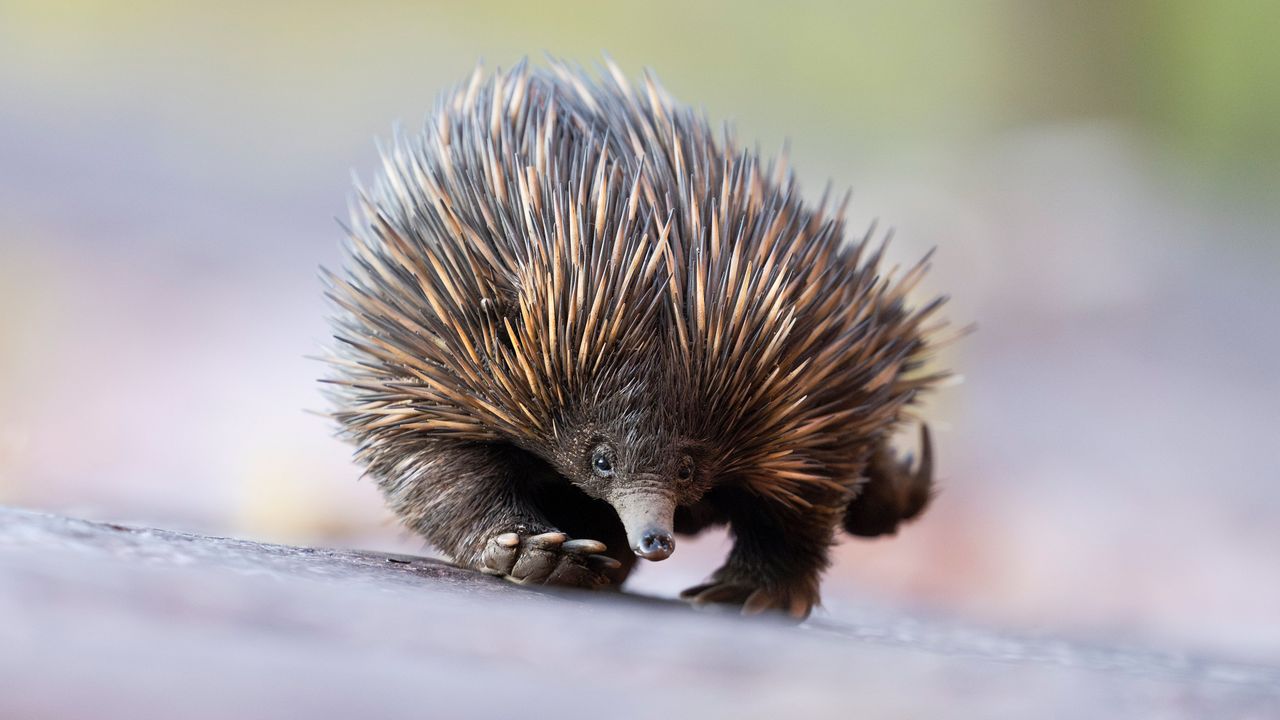
Short-beaked echidna, Adelaide Hills, Australia
© Etienne Littlefair/naturepl.co
Short-beaked echidna, Adelaide Hills, Australia
An egg-laying mammal. No teeth. Reptilian gait. Built-in body armour. If the short-beaked echidna sounds like a checklist of contradictions, that's because it is—and it owns it. Native to Australia, Tasmania and parts of New Guinea, it's one of the few surviving monotremes, or mammals that lay eggs. Despite the headlines, it still qualifies as a mammal: it has fur, produces milk and is warm-blooded. The twist? Milk is released through specialised skin patches rather than nipples, leaving the young to lap it up.
Ants and termites make up most of its diet. A long snout with electroreceptors helps detect prey underground before strong claws break in, and a sticky tongue finishes the job. Defence is equally direct. Spines—modified hairs—deter predators, while digging straight down or curling into a ball seals the deal. Echidnas are mostly solitary but briefly social during breeding season in slow-moving 'echidna trains.' Long-lived and unhurried, they prove that evolution doesn't need upgrades when the design already works.
Related Images
 Sea otters in Prince William Sound, Alaska, 30 years after the Exxon Valdez oil spill
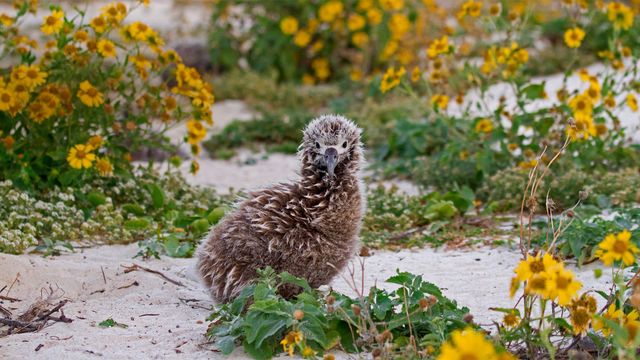 Laysan albatross chick on Midway Atoll, Hawaiian Leeward Islands
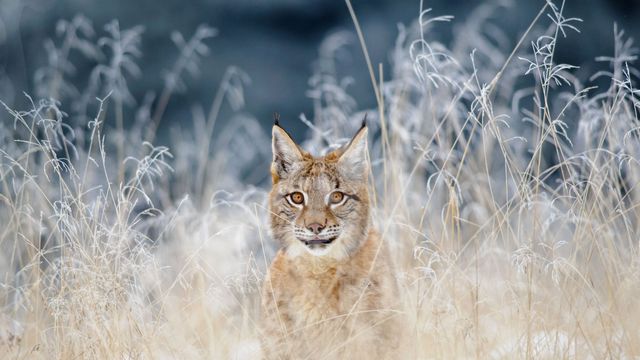 Eurasian lynx in the Bohemian-Moravian Highlands of the Czech Republic
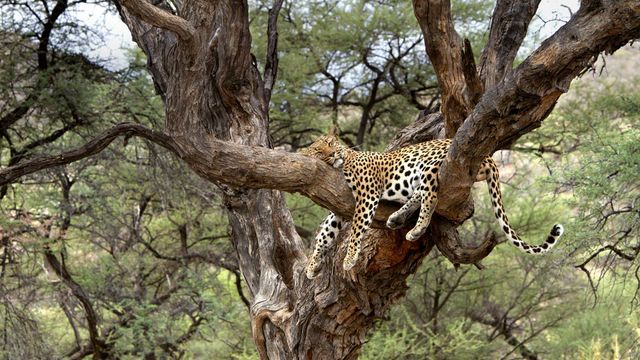 Leopard snoozing in a tree in Namibia
 Bear cubs playing by a lake
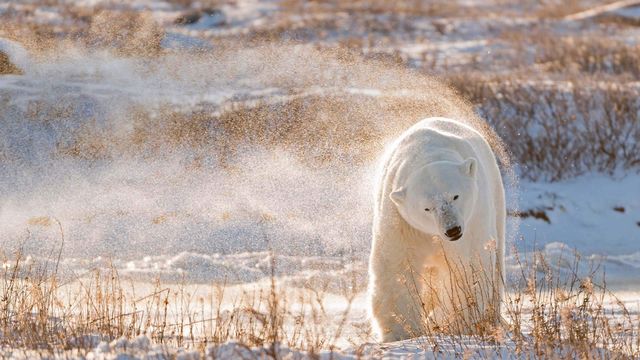 Polar bear in Hudson Bay, Canada
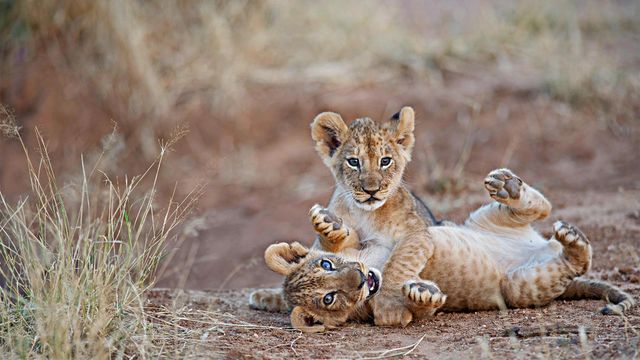 For Siblings Day, lion cubs wrestle in Samburu National Park, Kenya
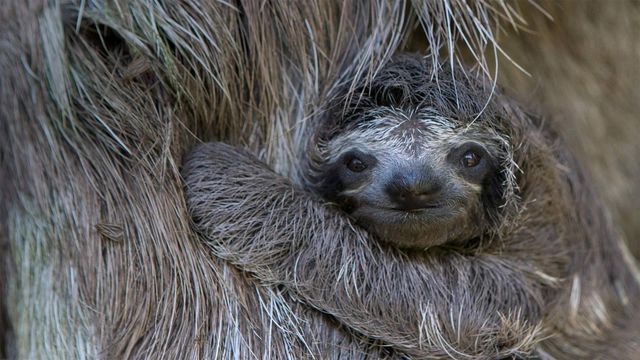 Newborn brown-throated sloth with mother, Sloth Sanctuary of Costa Rica
Bing Today Images