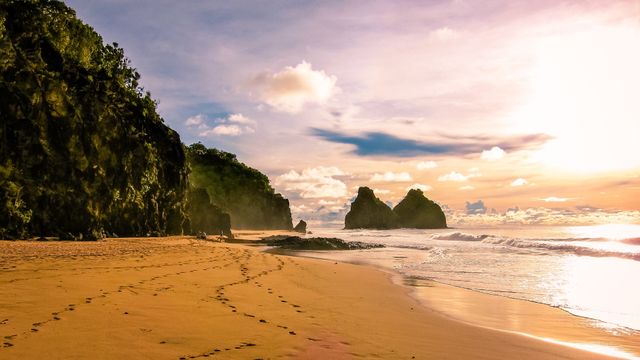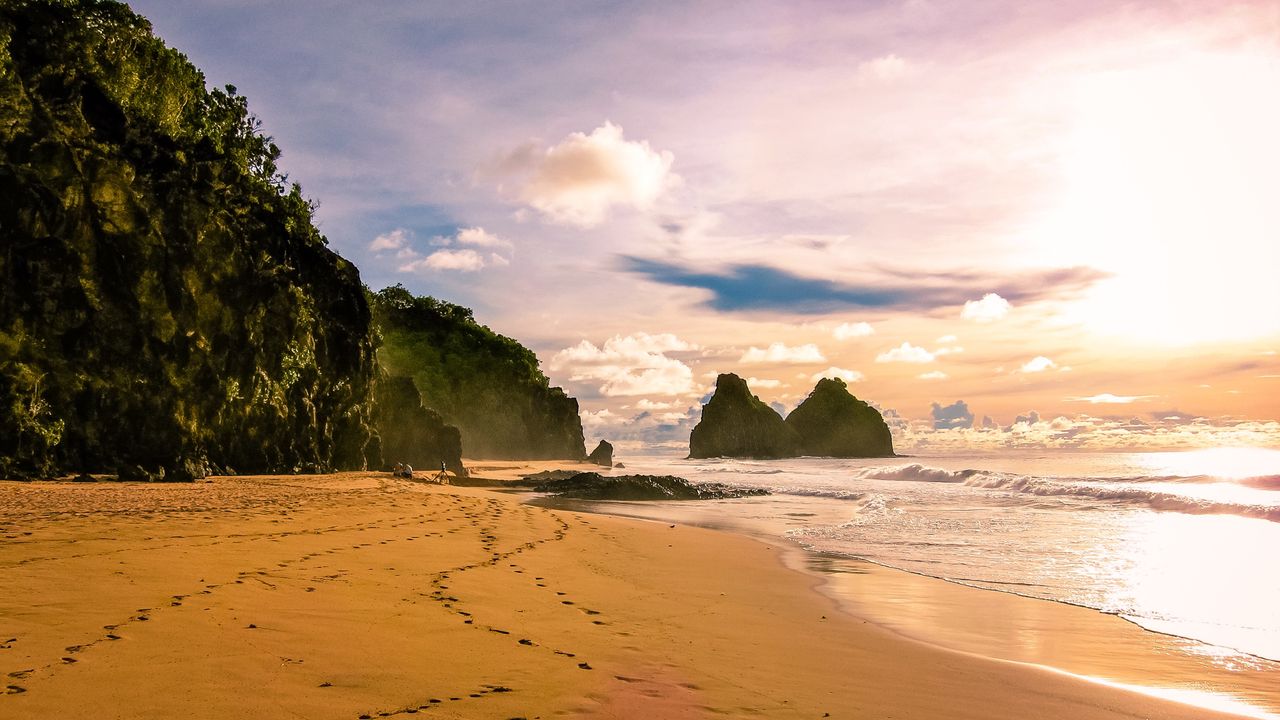
Fernando de Noronha, Pernambuco, Brazil
© Stephanie Kenner/Getty Image
Fernando de Noronha, Brazil
As the sun sinks below the horizon, the sky glows in soft gold, framing two dramatic rock formations that define one of Brazil's most recognisable seascapes. This striking view is of Fernando de Noronha, a remote archipelago in the state of Pernambuco, located about 360 kilometres from the mainland. Formed by volcanic activity millions of years ago, Fernando de Noronha is now a UNESCO World Heritage Site known for its exceptional natural beauty and biodiversity. Its beaches, including Baía do Sancho and Praia do Leão, regularly feature on lists of the world's best. The surrounding waters support spinner dolphins, sea turtles, reef fish and rare seabirds, making the archipelago one of Brazil's top destinations for snorkelling and diving.
Strict visitor limits help to protect the islands' fragile ecosystems, creating an atmosphere focused on conservation and respect for nature. Watching the sunset here feels less like sightseeing and more like a moment of stillness—a reminder of what landscapes look like when preservation comes first.
Related Images
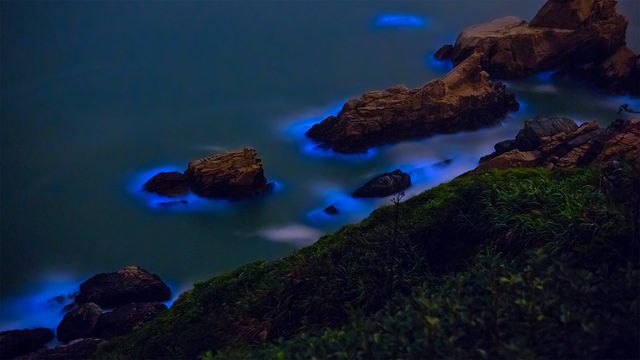 Bioluminescent algae along the shores of the Matsu Islands off the coast of Taiwan
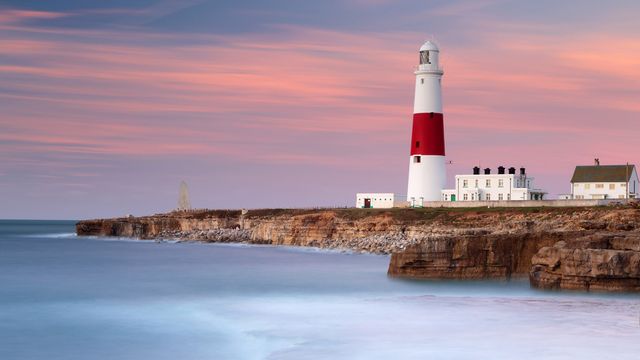 Dawn sunlight and waves at Portland Bill lighthouse, Dorset, England
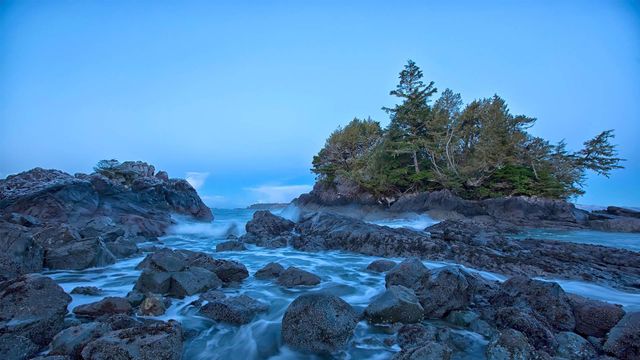 Shoreline near Tofino on Vancouver Island, British Columbia, Canada
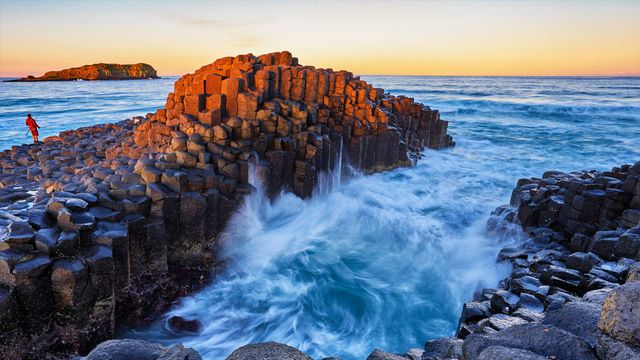 Fingal Head with a rock fisherman on the headland
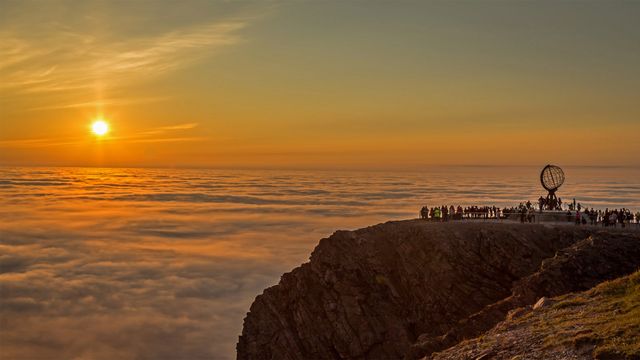 Midnight sun at North Cape, Norway
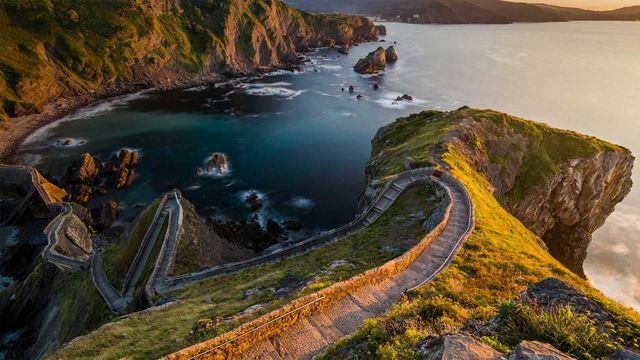 Path to San Juan de Gaztelugatxe, Basque Country, Spain, for the 'Game of Thrones' premiere
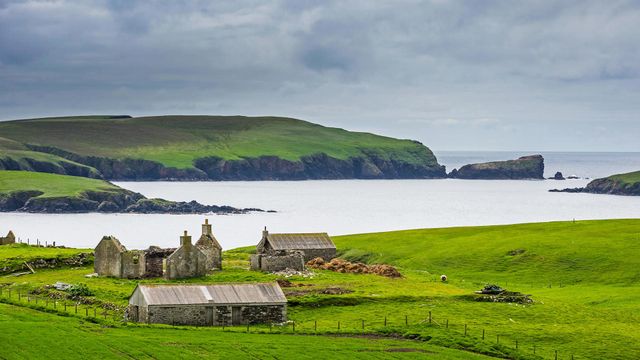 An old farm in the Shetland Islands, Scotland
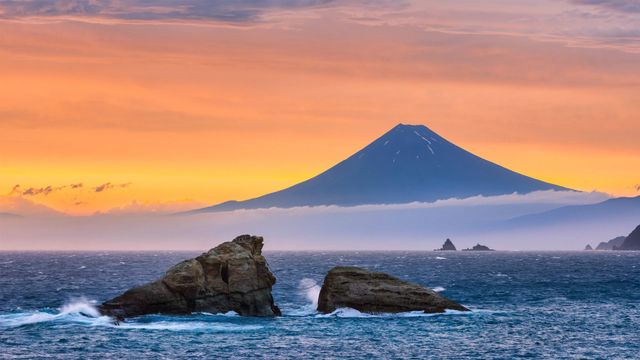 Mount Fuji and twin rocks (Ushitukiiwa) in Matsuzaki, Japan
Bing Today Images