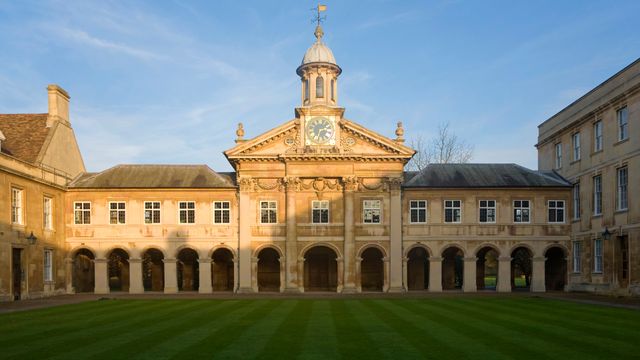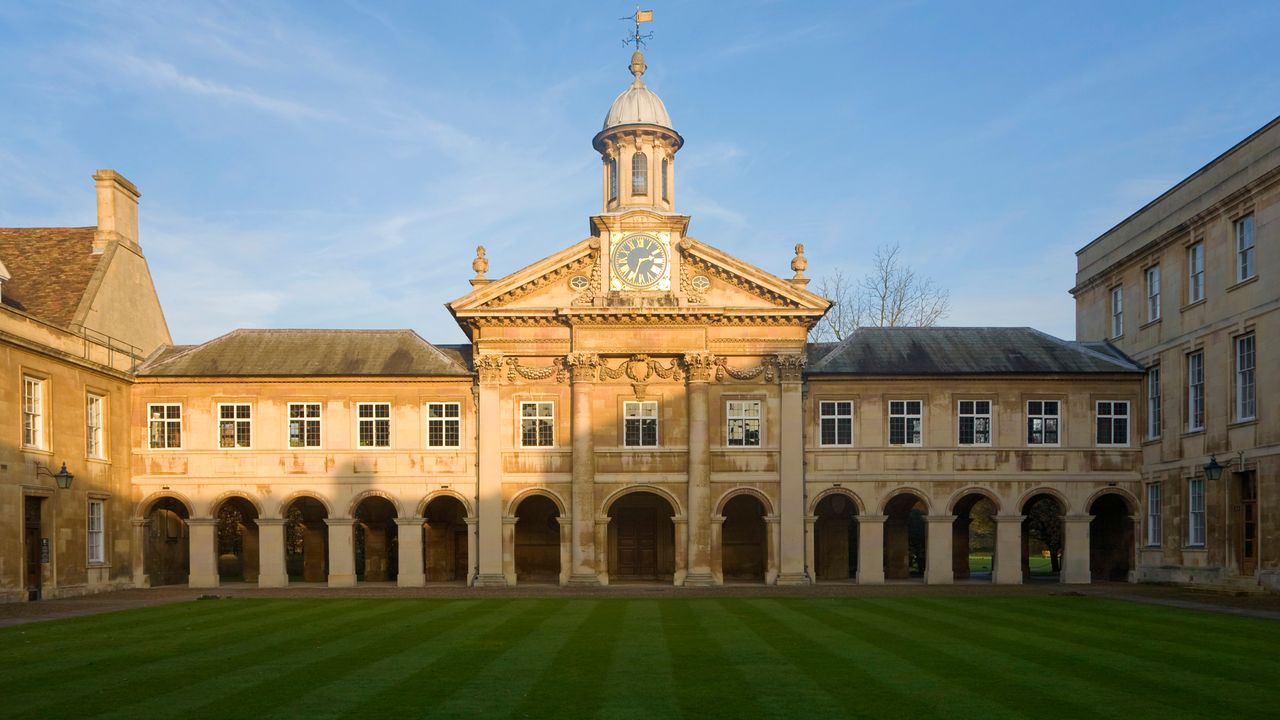
Clock tower of Emmanuel College, University of Cambridge, England
© Geography Photos/Universal Images Group/Getty Image
Clocking off. British Summer Time ends
In the quadrangle of Emmanuel College, Cambridge, the clock tower stands as a silent witness to the passing hours. But on the last Sunday in October, it is given a peculiar job: striking time twice. At 2 a.m., British Summer Time (BST) officially ends, and the United Kingdom reverts to Greenwich Mean Time. One moment it's 2 a.m., the next it's 1 a.m. again.
BST was first introduced during World War I to save energy by making better use of daylight. Every spring, the country 'springs forward' an hour, and every autumn, it 'falls back.' The result? Longer summer evenings for strolls, cricket matches and barbecues—and shorter winter days when twilight seems to arrive before tea.
However, debates still continue over whether to keep changing the clocks. Critics argue the switch disrupts body clocks and brings darker afternoons too soon, while supporters highlight safety and energy-saving benefits. For now, tradition ticks on. Whether you call it 'falling back' or just an extra hour in bed, the end of BST is a reminder that winter is on the clock's horizon. So don't forget to reset your watches.
Related Images
 Water wheel in the Tashkurgan Grassland, Tashkurgan Tajik Autonomous County, Xinjiang, China
 Circular agricultural fields in Morgan County, Colorado, USA
 Lake Dobson in Mount Field National Park of Tasmania, Australia
 Wildflowers in bloom at Lost Dutchman State Park in Arizona, USA
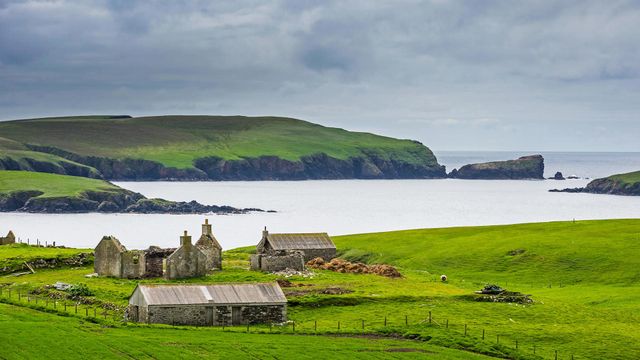 An old farm in the Shetland Islands, Scotland
 A red dragon sculpture at Caerphilly Castle for St David's Day
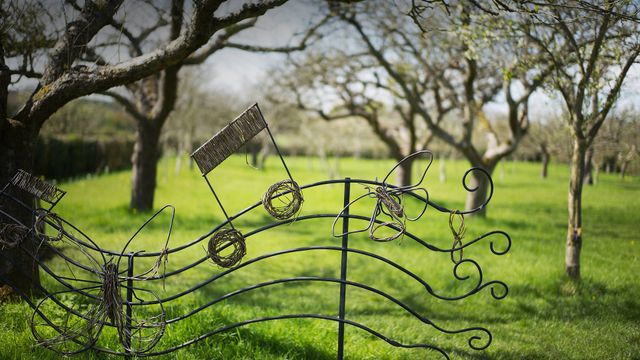 A musical note in the garden of Anne Hathaway's Cottage, Stratford-upon-Avon
 Chital deer in misty grassland at dawn, Kanha National Park, India
Bing Today Images