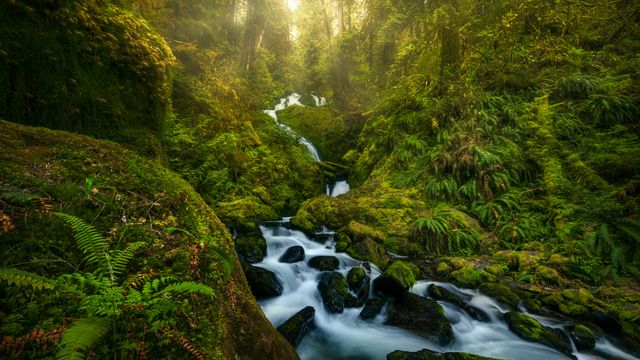
A waterfall in Olympic National Park, Washington
© Chris Moore/TANDEM Stills + Motio
Moss and mist. Olympic National Park, Washington
Olympic National Park covers a rare mix of terrain—and that's part of its unique appeal. Alpine ridges, quiet forests, and one of the longest stretches of undeveloped coastline in the lower 48 all meet here. Spanning nearly 1,400 square miles in Washington State, this UNESCO World Heritage Site drew over 3.7 million visitors in 2024. Originally protected in 1909 as Mount Olympus National Monument by President Theodore Roosevelt, the area became a national park in 1938.
Rain isn't a problem here—it's the reason this moss-draped area exists. On the western edge of the park, the Hoh Rainforest receives about 140 inches of rain a year—over 11 feet—and it wears every drop proudly. Towering Sitka spruces, western red cedars, and coast Douglas firs line trails like the Hall of Mosses, while banana slugs, bobcats, and Olympic black bears call the forest home. The Hoh is one of the best-preserved temperate rainforests in the world. And if you're chasing waterfalls, Sol Duc Falls delivers—three streams plunging into a narrow, mossy gorge. Olympic is a solid reminder that the best hikes don't always come with clear skies.
Related Images
 Living root bridge in Meghalaya, India
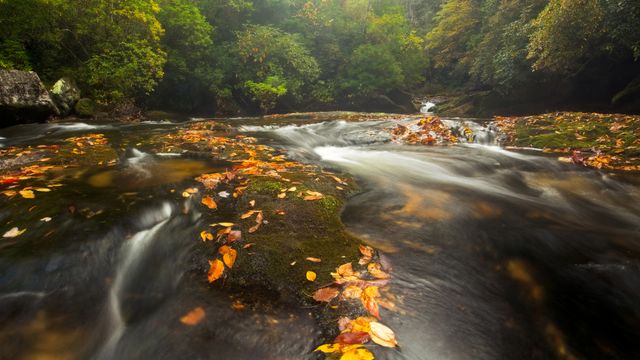 Chattooga River in the Appalachian Mountains, North Carolina
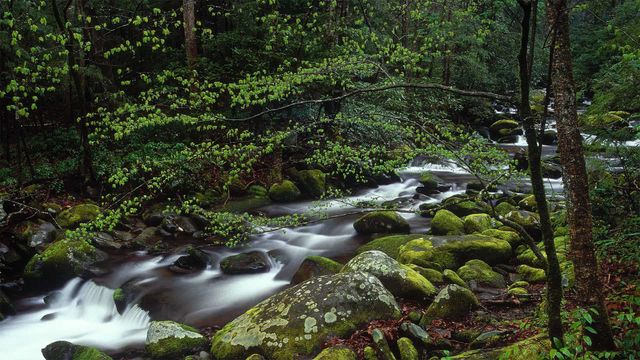 Roaring Fork in Great Smoky Mountains National Park, Tennessee
 Plitvice Lakes National Park, Croatia
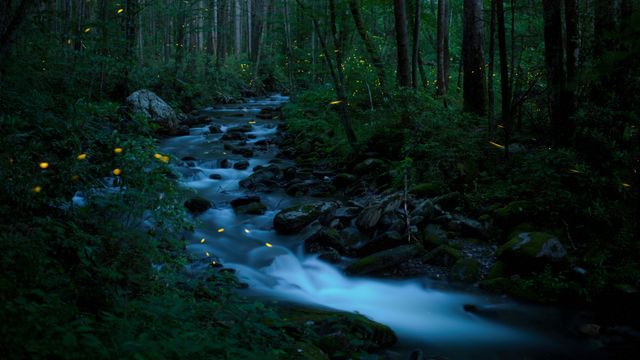 Synchronous fireflies, Great Smoky Mountains National Park, Tennessee
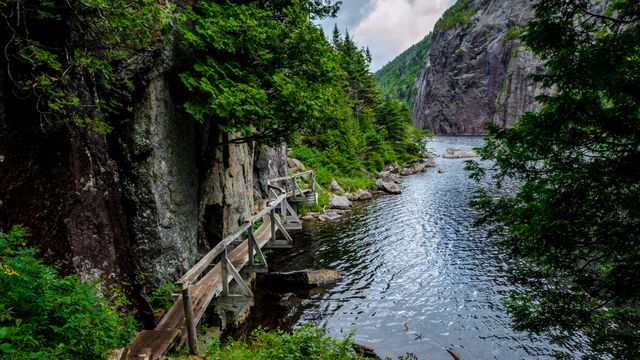 Avalanche Lake Trail at Adirondack High Peaks, New York
 Devil's Bridge in Rhododendron Park Kromlau, Saxony, Germany
Bing Today Images