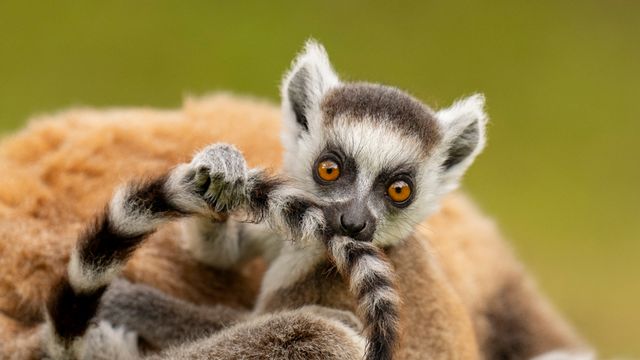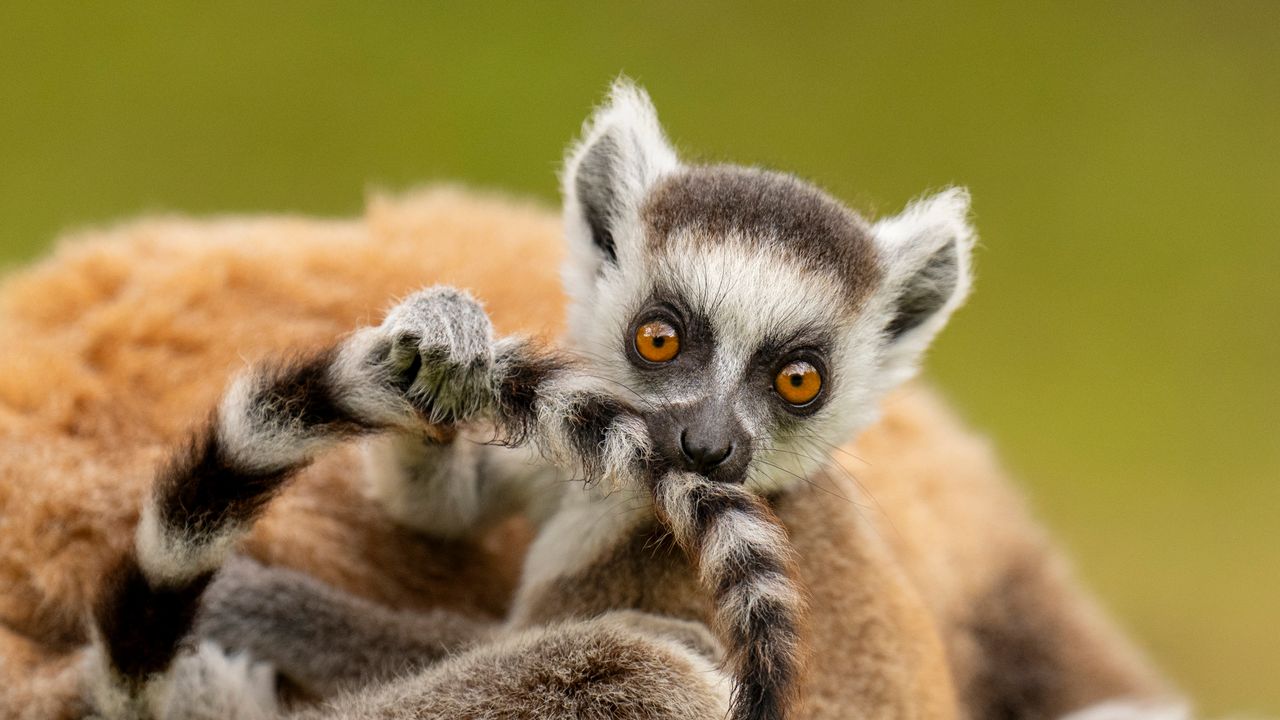
Ring-tailed lemur infant playing with its own tail, Madagascar
© Andy Rouse/Nature Picture Librar
Madagascar native. Ring-tailed lemur
It looks like this small creature is playing a game, right? But when a baby ring-tailed lemur wraps its tail around or gives it a tug, it's actually working on crucial skills. The infants spend their early weeks hanging tight to their mom, first clinging to her belly and later to her back. As they grow, they separate from their mom, and tail-chasing becomes part of how they learn balance, coordination and group play. These primates use their long tails for communication as well. Raised like flags during group movement, the tails help them stick together in open terrain. Loud, rhythmic calls, scent markings and 'stink fights' between males add to the social drama.
Ring-tailed lemurs are found only in southern and southwestern Madagascar, where they live in dry forests, spiny thickets and rocky outcrops. They live in female-dominated groups, sometimes up to 30 individuals. Habitat loss due to slash-and-burn agriculture and charcoal production has pushed them into vulnerable status, despite being one of the most studied lemurs.
Related Images
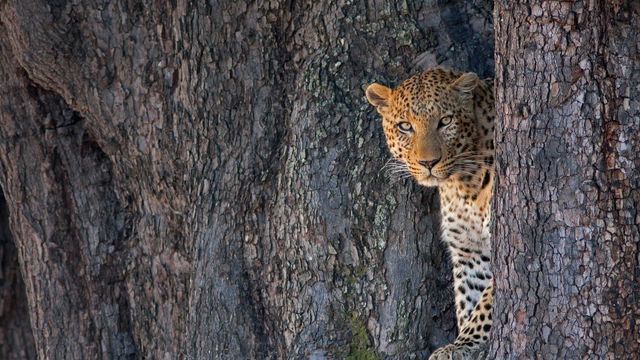 Male leopard in Linyanti Wildlife Reserve, Botswana
 Gerenuk in Tsavo National Park, Kenya
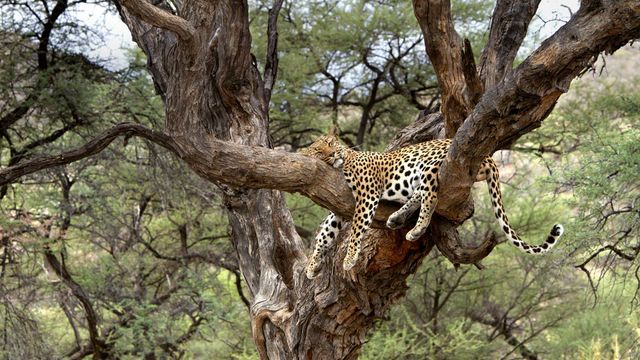 Leopard snoozing in a tree in Namibia for National Nap Day
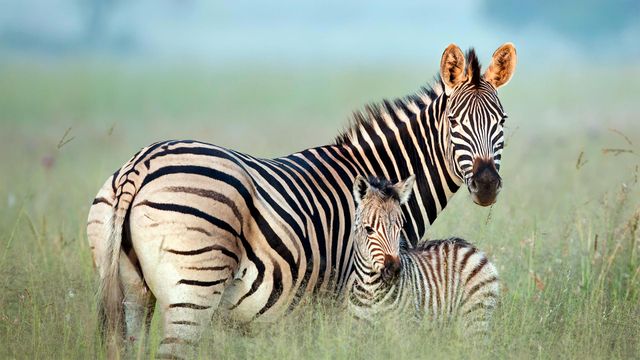 Burchell's zebra mother and foal in Rietvlei Nature Reserve, South Africa
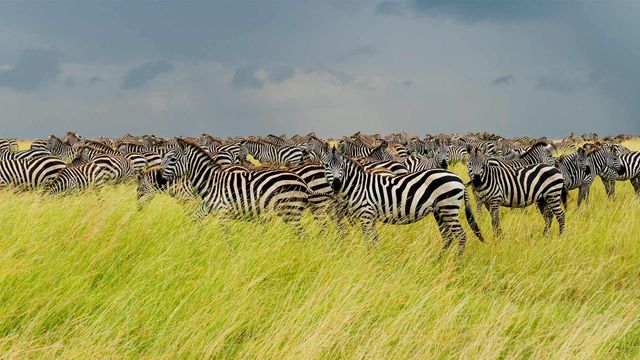 Zebras in Serengeti National Park, Tanzania
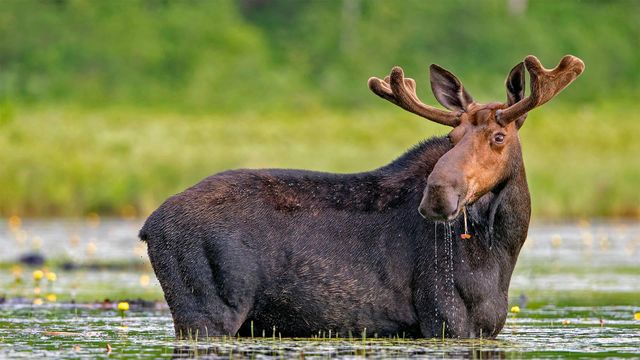 Moose snacking on water lilies in Millinocket, Maine
 Elephants at Kapama Private Game Reserve in South Africa
 For Siblings Day, lion cubs wrestle in Samburu National Park, Kenya
Bing Today Images