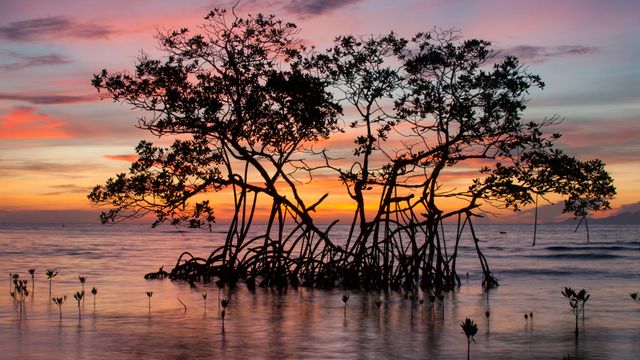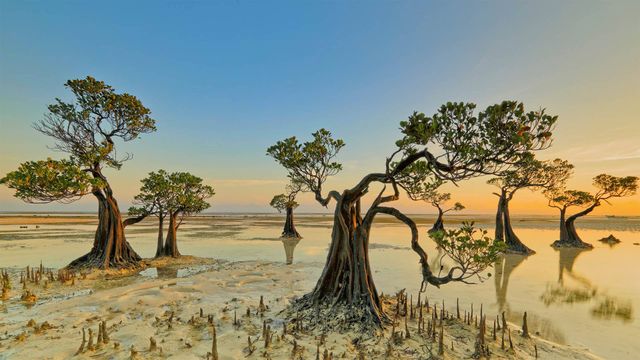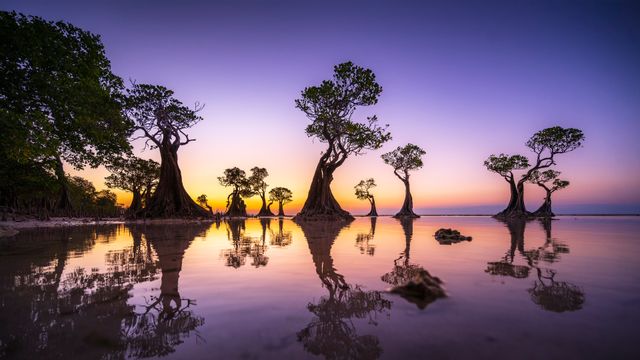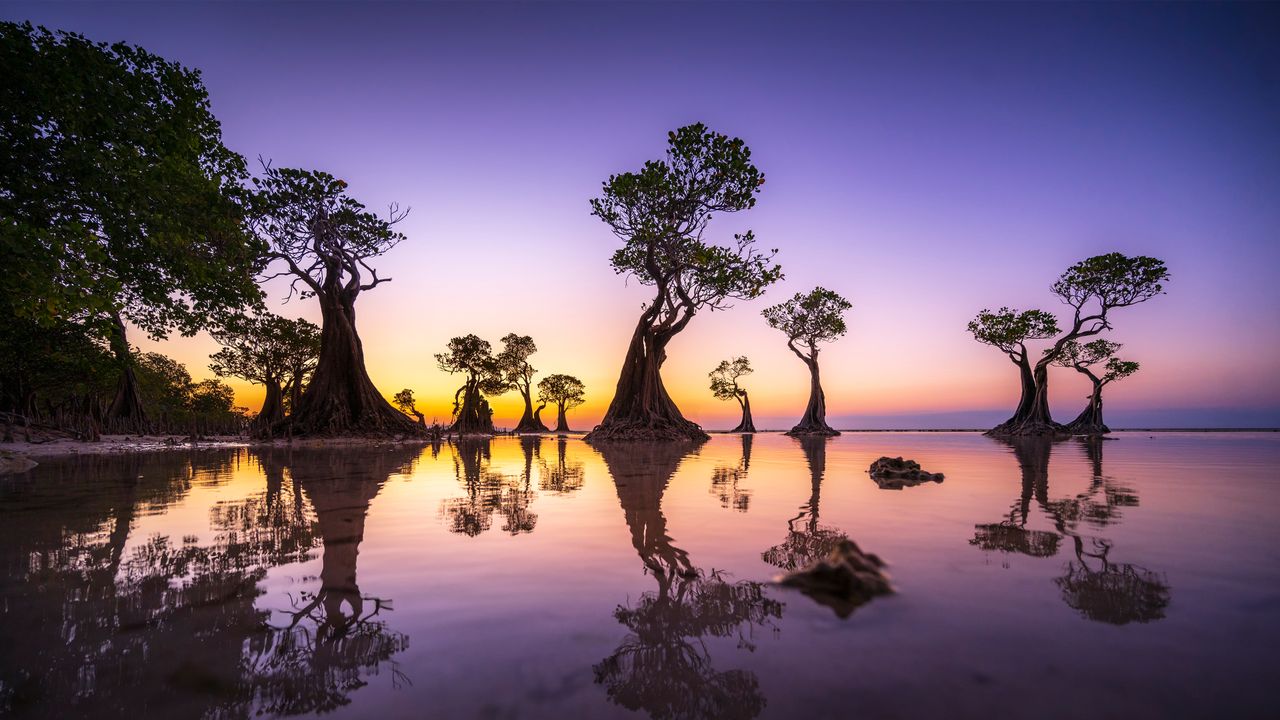
Mangrove trees at twilight, Walakiri Beach, island of Sumba, Indonesia
© Boonchet Ch./Getty Image
Sentinels of the tide. International Day for the Conservation of the Mangrove Ecosystem
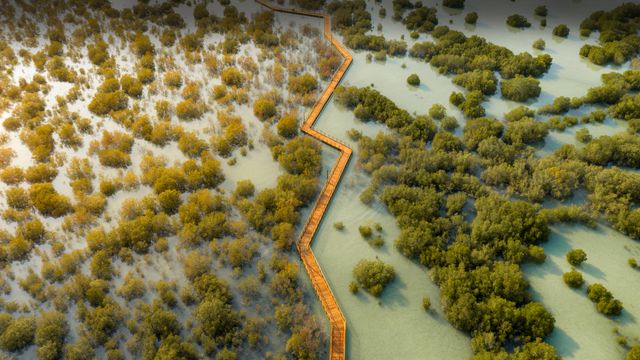
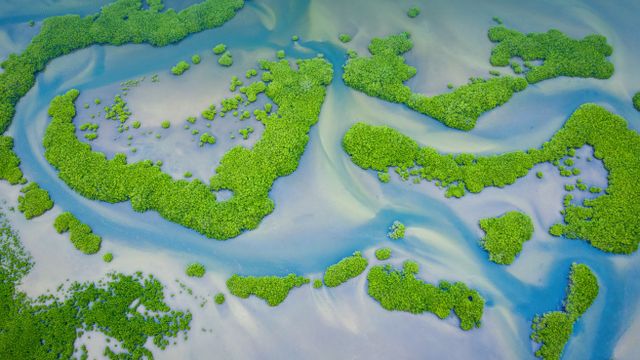
As twilight descends on Walakiri Beach on the island of Sumba, Indonesia, the silhouettes of mangrove trees stand like sentinels in the tide—graceful, resilient and vital. Today, on International Day for the Conservation of the Mangrove Ecosystem, we honour these extraordinary trees and the critical role they play in sustaining life on our planet. Mangroves are nature's coastal guardians. With their arching and salt-filtering roots, they thrive where few trees can—anchored in brackish water, enduring tides and shifting sands. They protect shorelines from erosion, buffer communities against storms and serve as nurseries for countless marine animals. Their tangled root systems not only stabilise sediment but also provide shelter for juvenile fish, crabs and birds.
India's mangroves are unique coastal habitats made up of salt-tolerant trees and shrubs, thriving where land and sea meet. These ecosystems are mainly concentrated along the country's eastern and western shores, as well as the Andaman and Nicobar Islands. Home to globally significant forests like the Sundarbans, Bhitarkanika and the Krishna-Godavari delta, India ranks among the countries with the largest mangrove stretches.
Related Images
 Sandhill cranes taking flight over the Platte River near Kearney, Nebraska, USA
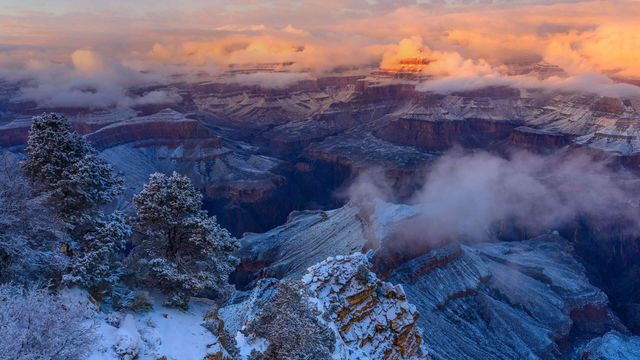 Winter at the Isis Temple in Grand Canyon National Park, Arizona
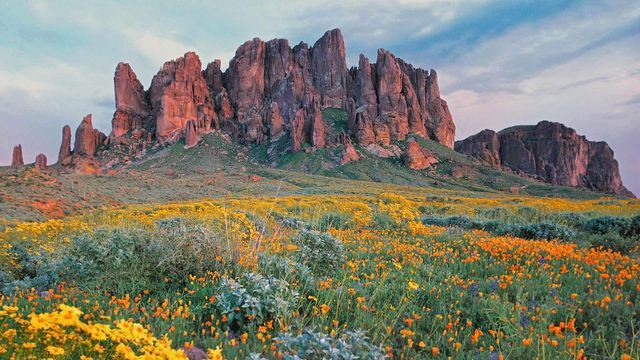 Wildflowers in bloom at Lost Dutchman State Park in Arizona, USA
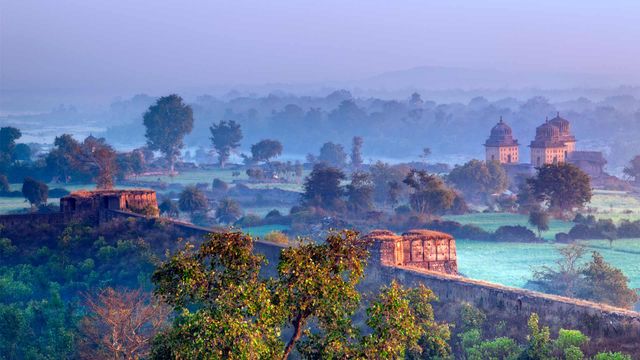 View of Orchha, Madhya Pradesh
 Hong Kong-Zhuhai-Macau Bridge, China
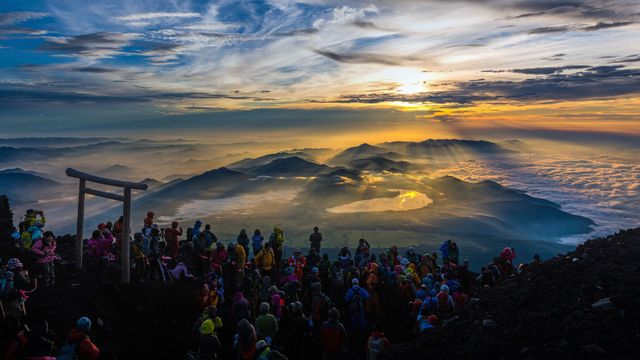 At the top of Mount Fuji in Japan. Happy New Year!
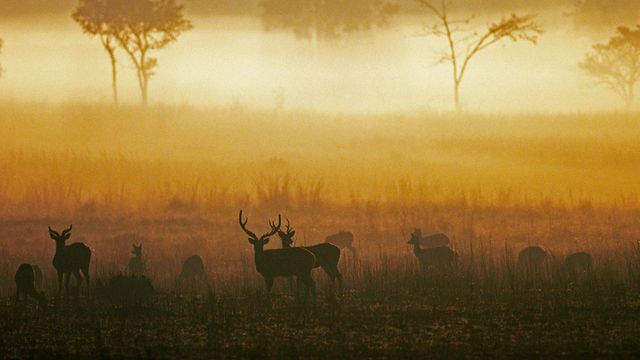 Chital, spotted deer in misty grassland at dawn, Kanha National Park, Madhya Pradesh, India
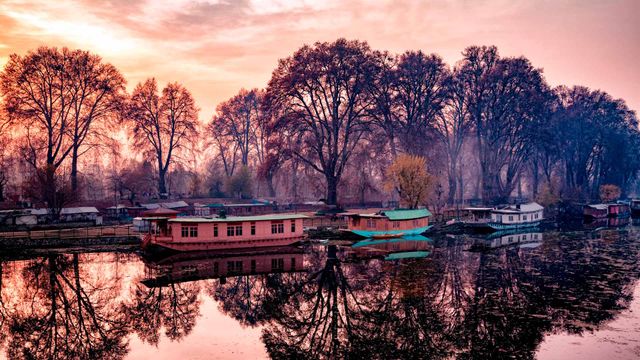 Houseboats parked on the banks of Jhelum River, Kashmir
Bing Today Images