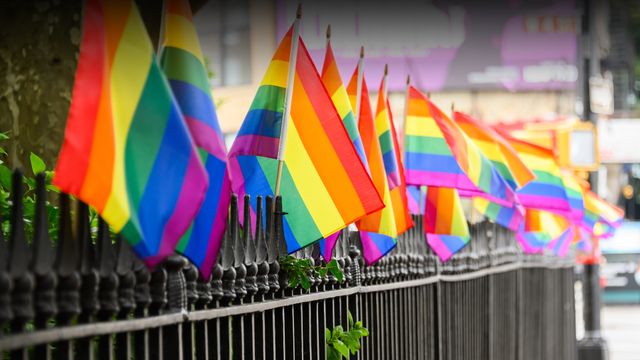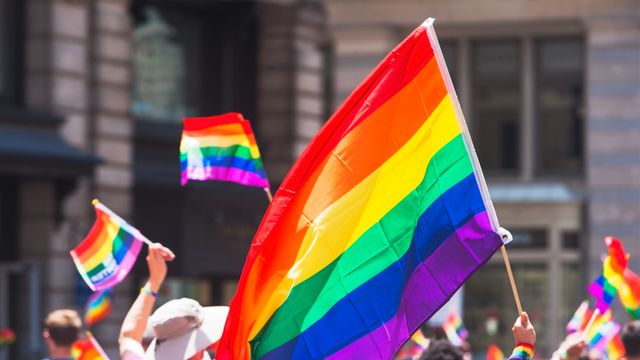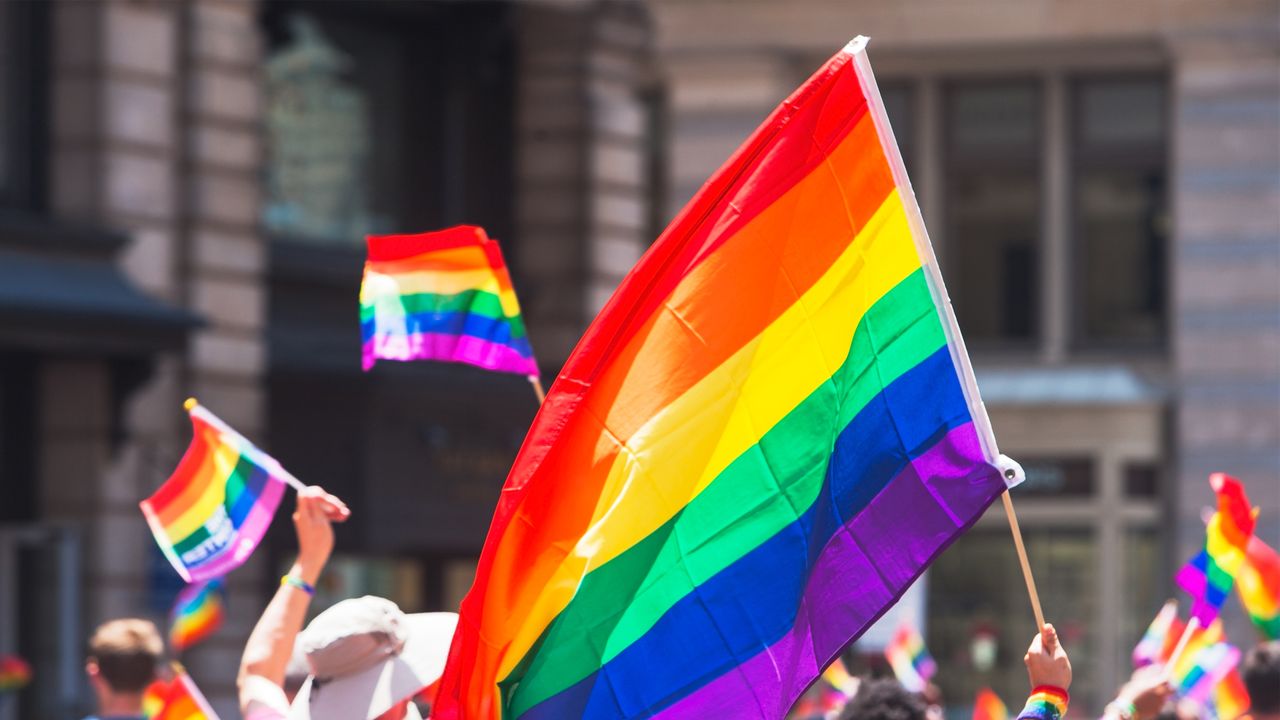
Rainbow flags at New York Pride, United States
© Alan Schein/Getty Image
The riot that lit the rainbow. Anniversary of the Stonewall Uprising
In the early hours of June 28, 1969, a police raid at the Stonewall Inn in New York's Greenwich Village, met unexpected resistance. Fed up with years of harassment, LGBTQIA+ patrons fought back. What followed was six days of unrest—and the start of a movement. Led in part by American trans activists like Marsha P. Johnson and Sylvia Rivera, the uprising challenged not only police brutality but society's silence. Stonewall wasn't the beginning of queer existence, but it was the moment people said 'no more' loud enough to be heard worldwide.
The first Pride marches came the next year, not as parties, but as protests. Thousands marched in New York City, Los Angeles and Chicago to mark the anniversary of Stonewall. In Canada, similar calls for justice followed. The 'We Demand' protest in 1971 on Parliament Hill sparked several small-scale gatherings across the country, which became Canada's first large-scale public LGBTQ demonstrations. This was followed by the first Pride Week in Toronto in 1972, which included a march to Queen's Park.
Today, Stonewall stands as a symbol of resilience. It reminds us that Pride began with bricks, not branding. So, as rainbow flags wave each June, remember the power of resistance—and that the first Pride was a riot with a cause.
Related Images
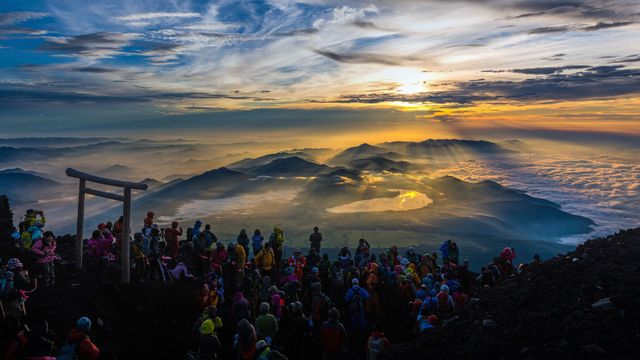 At the top of Mount Fuji in Japan. Happy New Year!
 Women's March in Victoria, B.C. Jan. 21, 2017
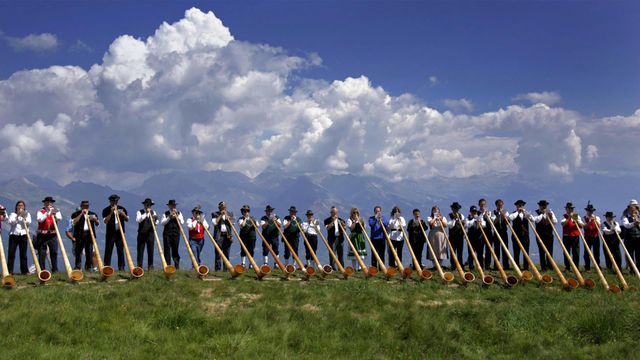 Alphorn musicians perform during the International Alphorn Festival in Nendaz, Switzerland
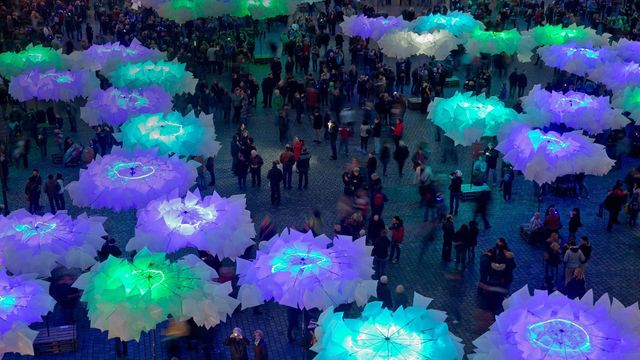 The installation 'Waldplastik' during Blue Night in Nuremberg, German
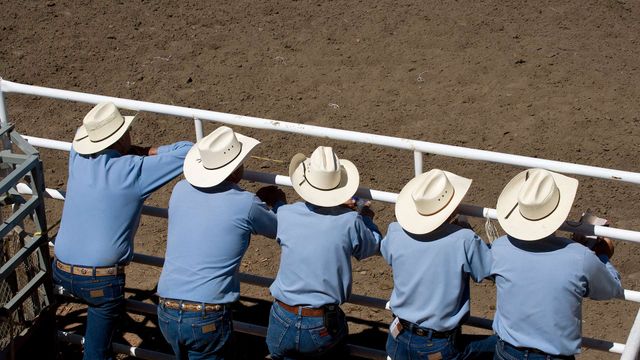 Spectators at the annual Calgary Stampede
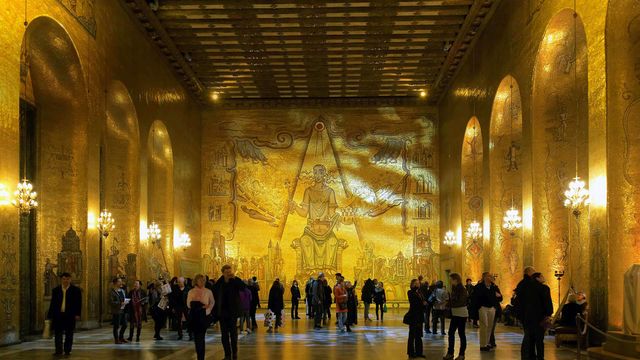 Golden Hall in Stockholm City Hall for today's Nobel Prize Award ceremonies
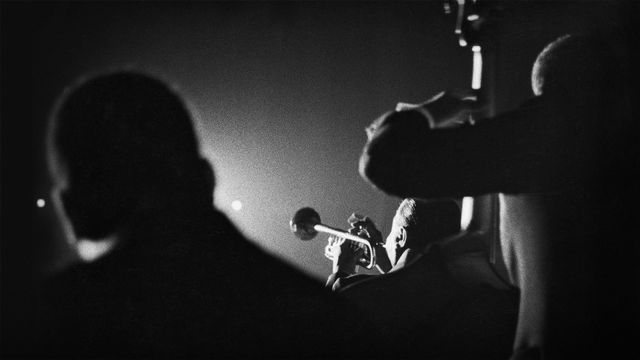 Louis Armstrong performs with bandmates in Vienna, Austria, on February 22, 1959
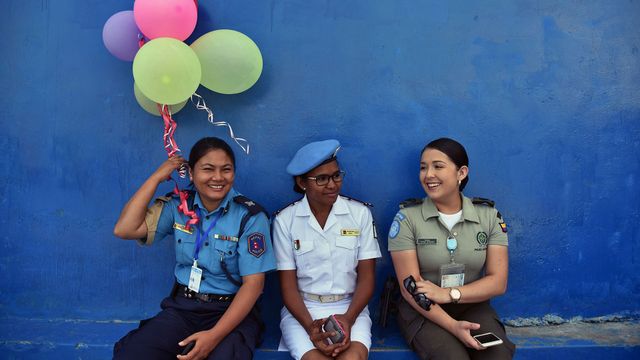 Policewomen from the United Nations Stabilization Mission in Haiti attend a ceremony to mark International Women's Day in 2016
Bing Today Images