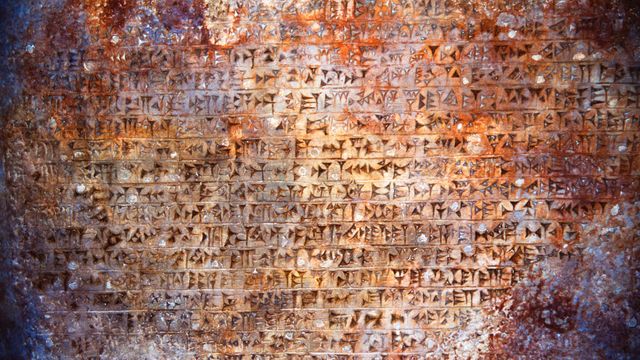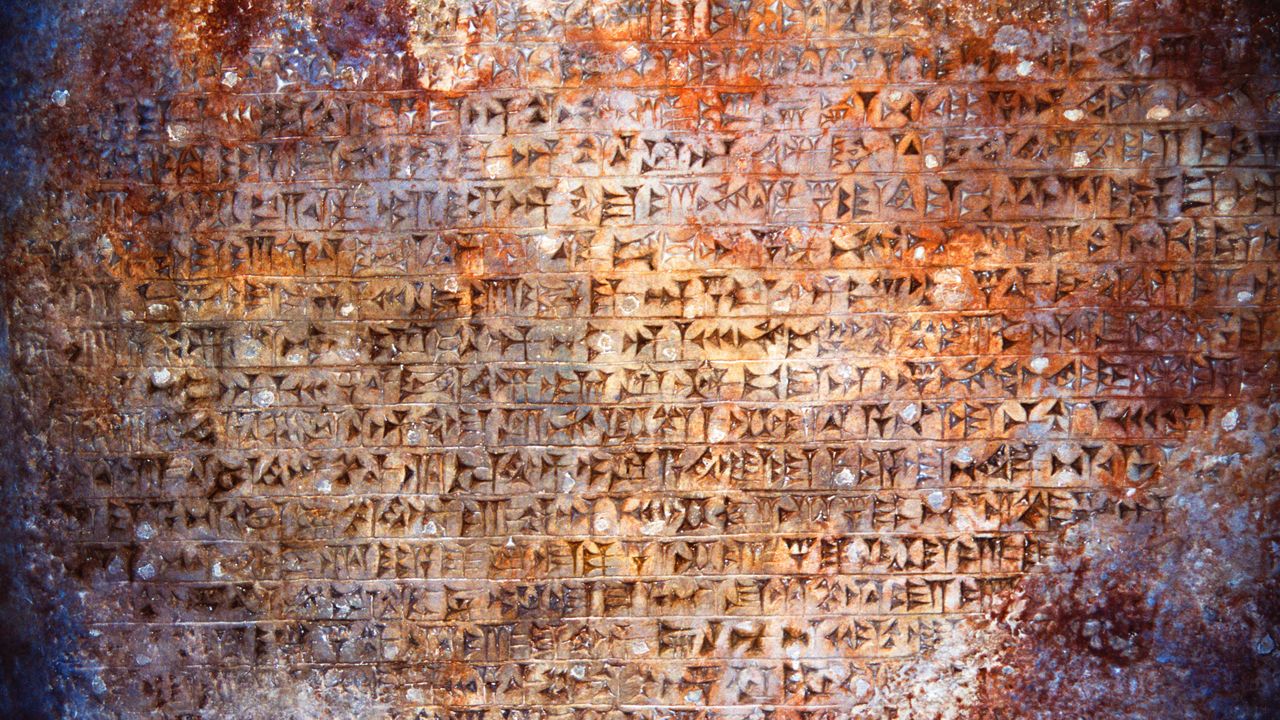
Ancient carved texts from Persepolis, Iran
© George Hall/Alam
Happy Spreadsheet Day!. Spreadsheet Day
Happy Spreadsheet Day! Be they a pivot table pro or an entry-level novice, spreadsheet users worldwide have one person to thank: Dan Bricklin released the first electronic spreadsheet program on this day in 1979. The day celebrates the sophisticated grids that have reshaped businesses from accounting and engineering to project management. But data handling did not begin in the digital age. Ancient civilizations had their own ways of recording and tracking the world around them, as seen in our homepage image.
Cuneiform, a script characterized by wedge-shaped symbols, was used to transcribe languages of the ancient Near East, a region roughly corresponding to today's Middle East. First developed around 3500 BCE, it was used for thousands of years, until the 1st century CE. In the early 17th century, the publication of Achaemenid royal inscriptions at Persepolis—in modern-day Iran—shed light again on cuneiform. These inscriptions had a mix of languages and were finally deciphered in the 19th century.
Related Images
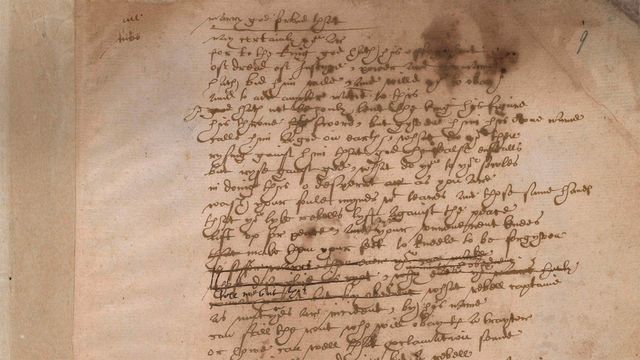 Shakespeare's handwriting from the play 'Sir Thomas More,' British Library, London
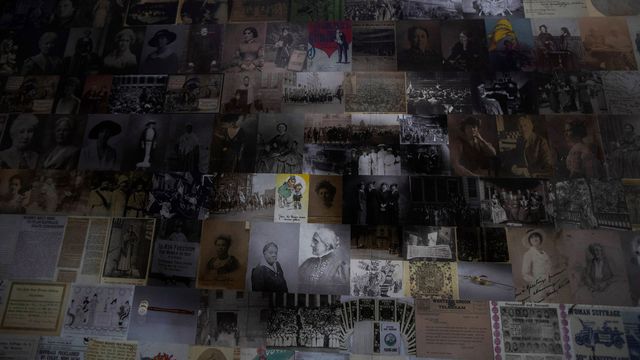 A section of a large mosaic of Ida B. Wells displayed at Union Station in Washington, DC, in August 2020
 Corn maze in Saylorsburg, Pennsylvania
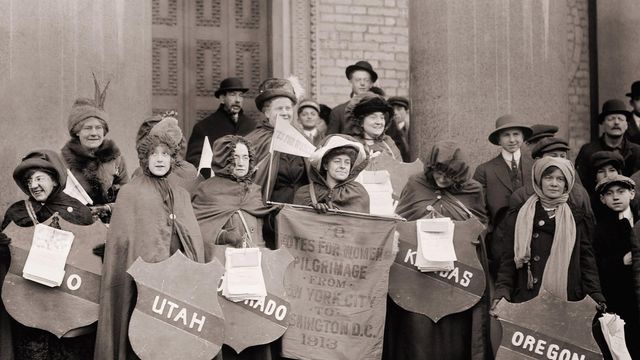 Women's suffragists who walked from New York City to Washington, DC, to join the National American Woman Suffrage Association parade on March 3, 1913
 Aerial view of Sky Harbor International Airport in Phoenix, Arizona
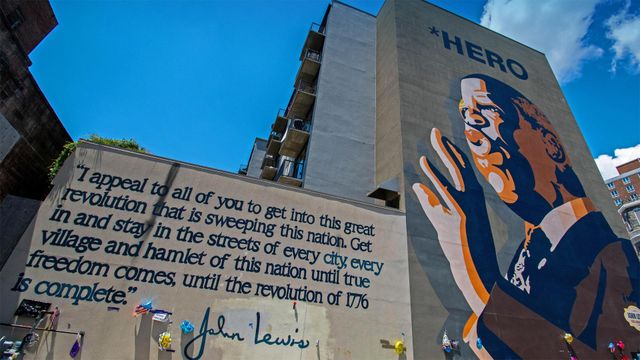 John Lewis hero mural by Sean Schwab in the Sweet Auburn district of Atlanta, Georgia
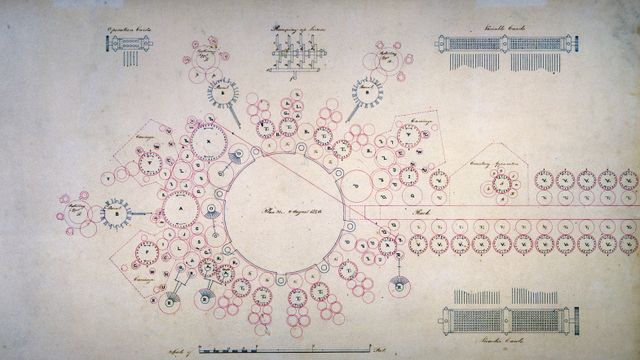 An 1840 design for the Analytical Engine by Charles Babbage
 Poster for Teacher Appreciation Week by 12-year-old Caroline Holt, 7th-grade student at the Bush School, Seattle, Washington
Bing Today Images