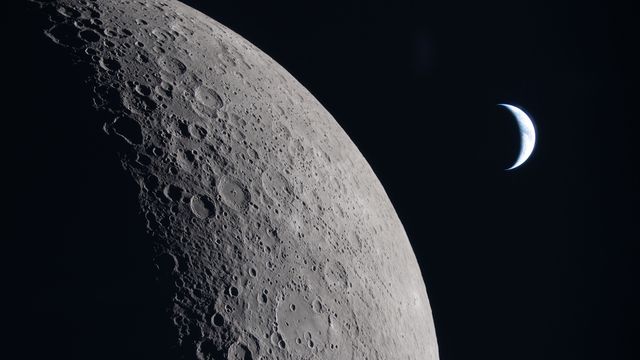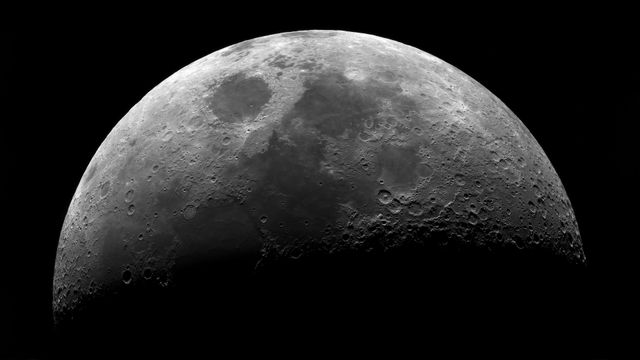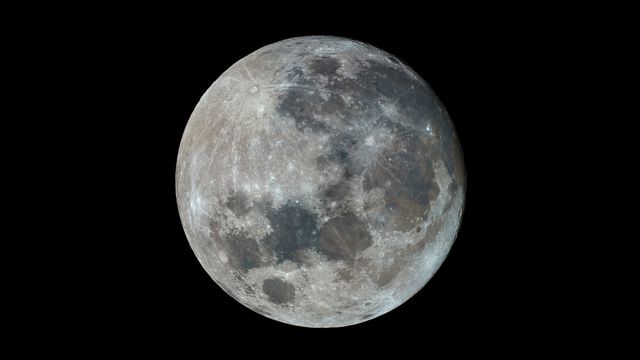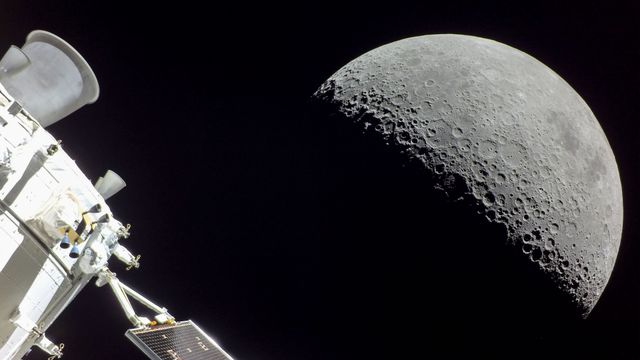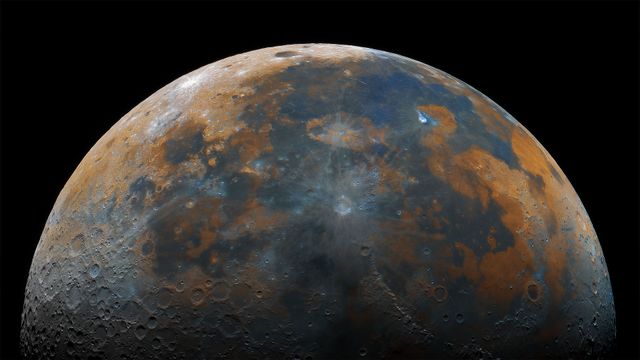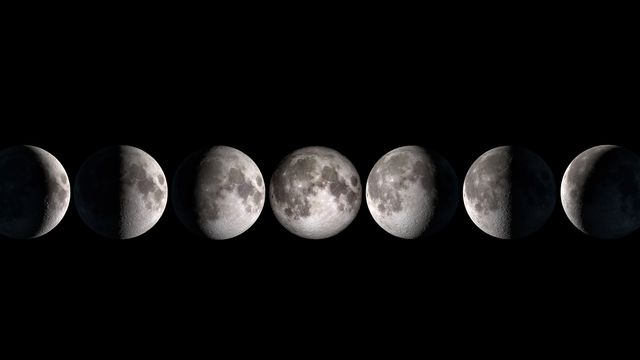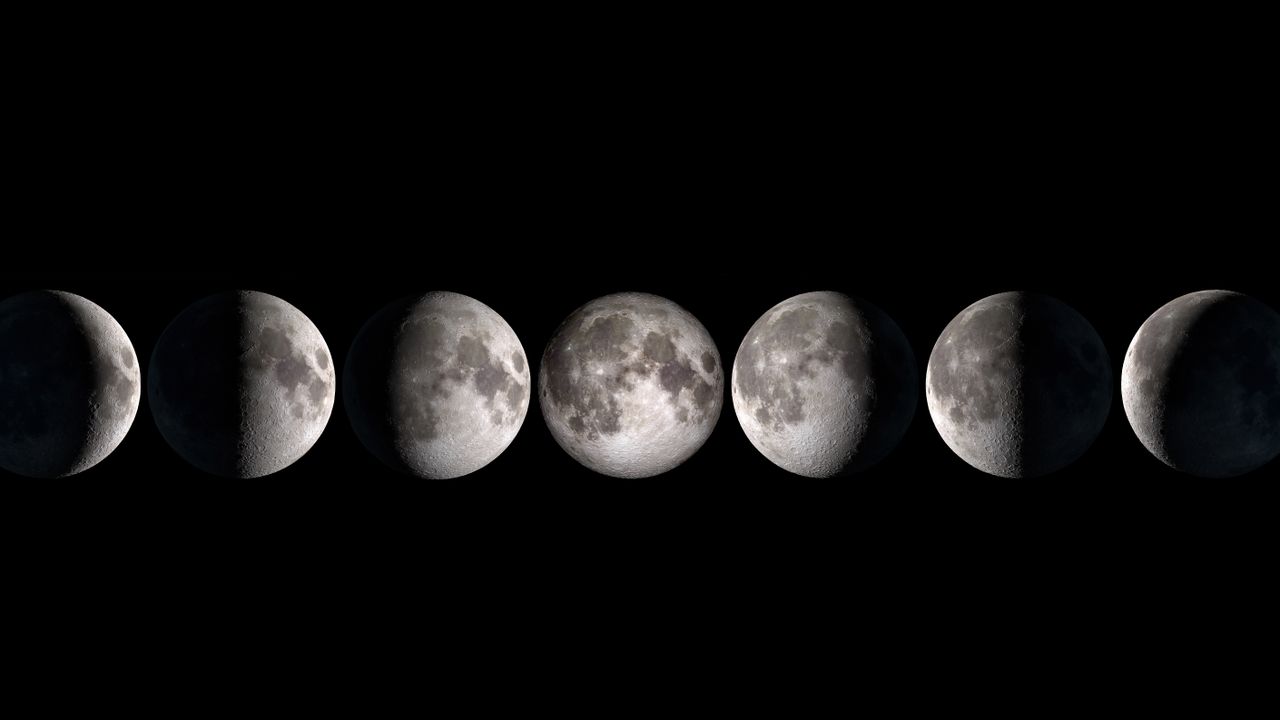
Composite photo showing the phases of the Moon
© Delpixart/Getty Image
One giant leap for mankind. Moon Landing anniversary
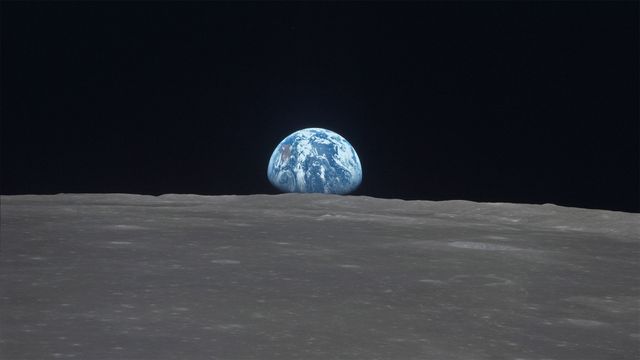
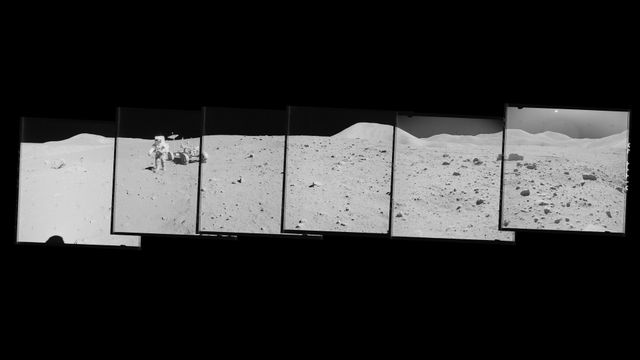
Fifty three years ago today, humans finally set foot on the surface of the Moon. Millions of people around the world watched Neil Armstrong step out of the Apollo Lunar Module Eagle and make his famous “giant leap for mankind”. Fellow astronaut Buzz Aldrin followed, and the pair spent more than two hours exploring the landing site and collecting samples of lunar material. Together with a third astronaut Michael Collins - who flew the command module that took them back to Earth - spent eight days in space before splashing down in the Pacific Ocean.
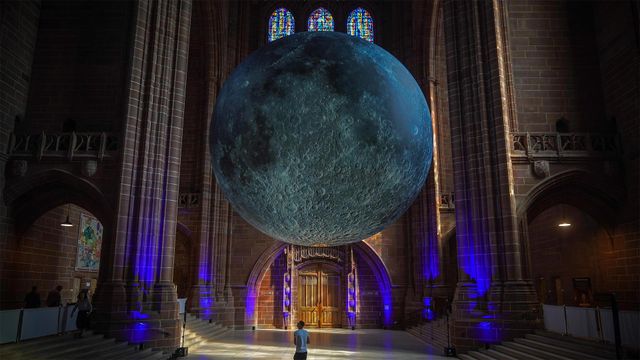
The Moon is Earth’s only natural satellite, orbiting our planet about every 28 days, what we refer to as a lunar cycle. This dusty ball of rock has virtually no atmosphere, no evidence of life, no water, no sound and very low gravity, yet it stabilises Earth’s wobble on its axis and moderates our climate.
Most scientists believe it was formed out of debris ejected from Earth after a massive collision with another planet-like body. If that’s true, the Moon is part of Earth, inextricably linked forever.
Related Images
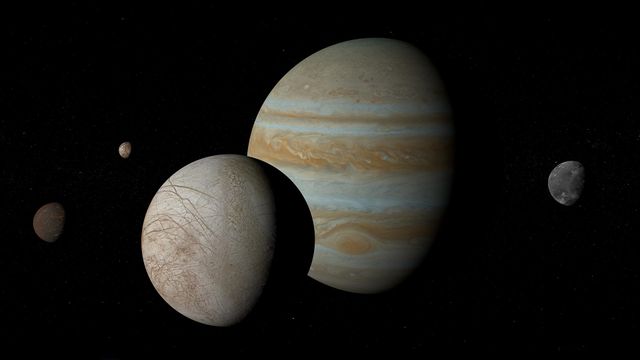 Moons of Jupiter - Io, Europa, Ganymede and Callisto
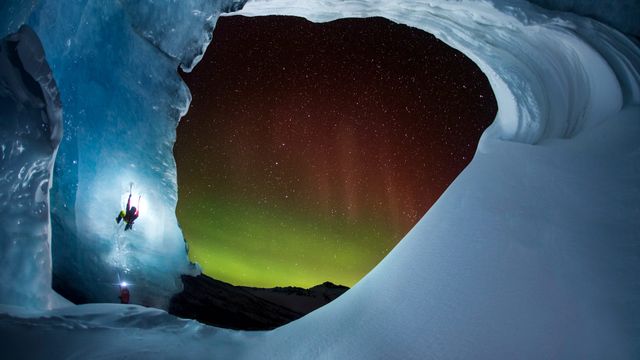 Climbing Athabasca Glacier in Jasper National Park, Alberta, Canada, as the Aurora Borealis glows
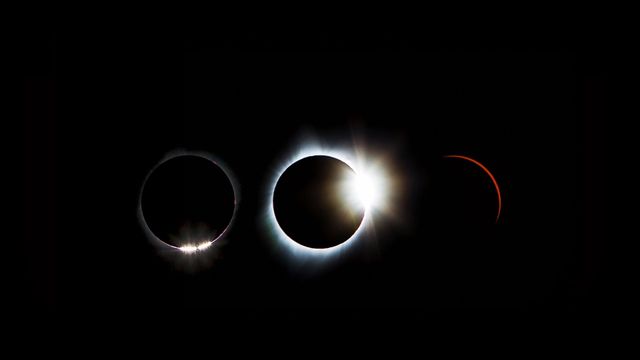 Solar eclipse sequence from 21 August 2017
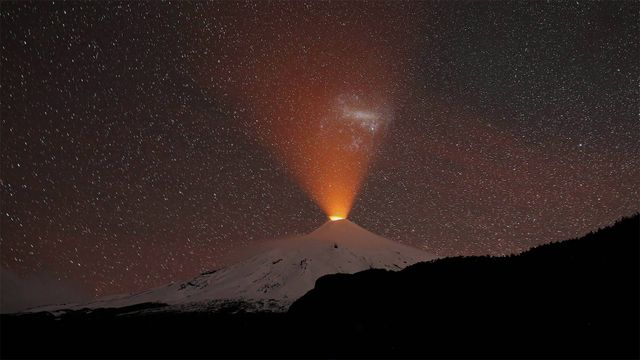 The Villarrica volcano in Chile on 2 September, 2018
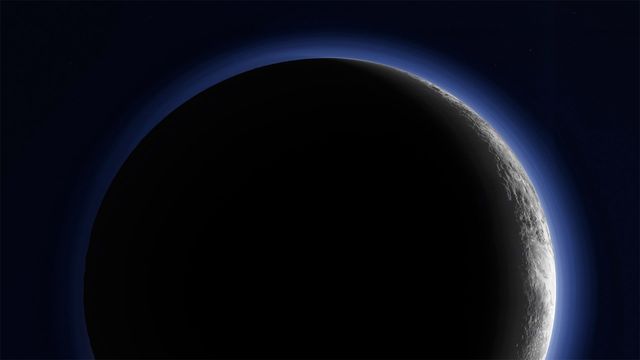 Pluto's crescent imaged by Nasa's New Horizons interplanetary space probe
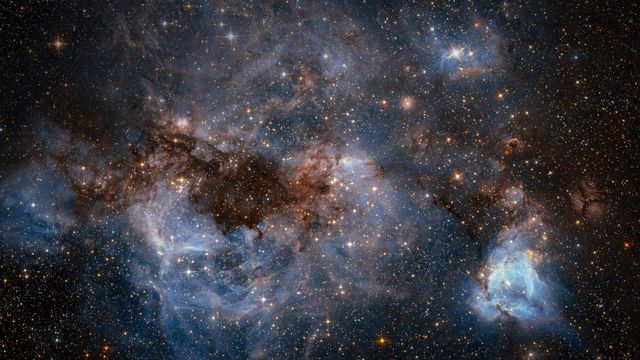 The Large Magellanic Cloud, photographed by the Hubble Space Telescope
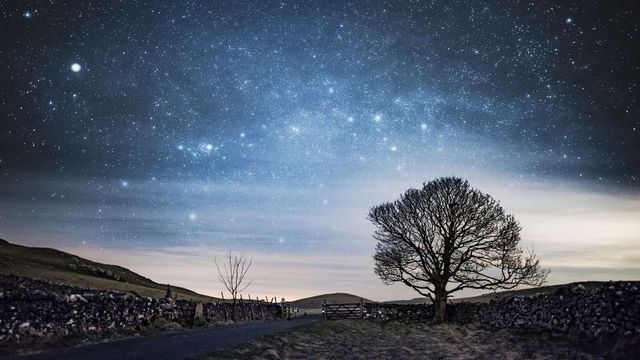 Night sky over Malham, North Yorkshire
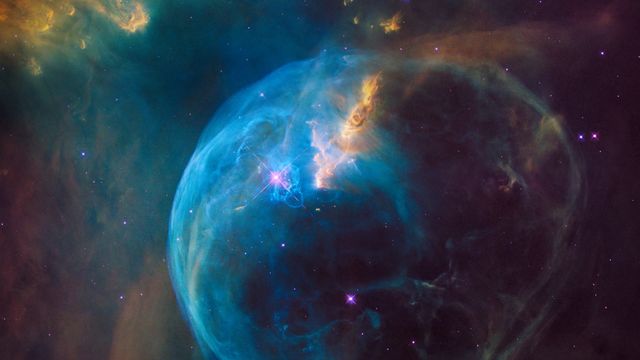 Bubble Nebula (NGC 7635)
Bing Today Images