The moon
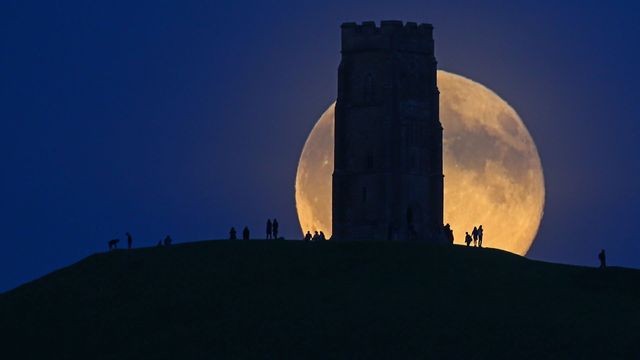
© Victor Blum/Getty Image
To the moon and back. International Moon Day
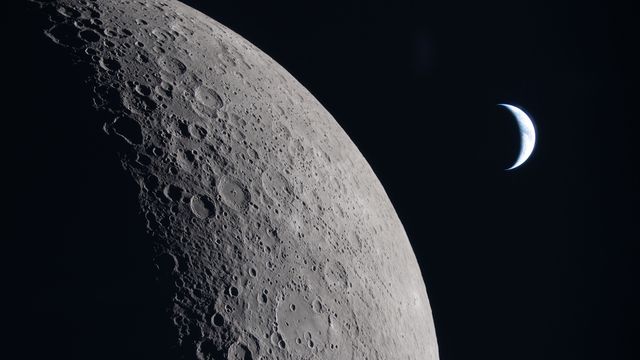
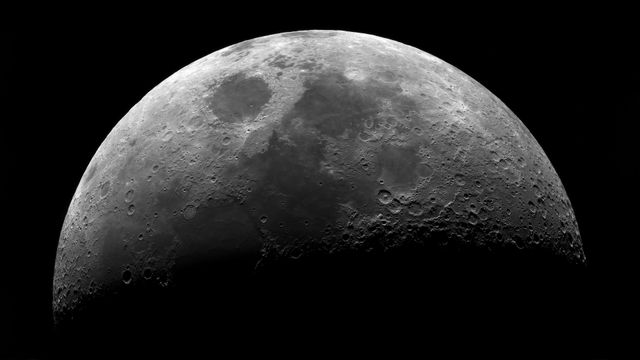
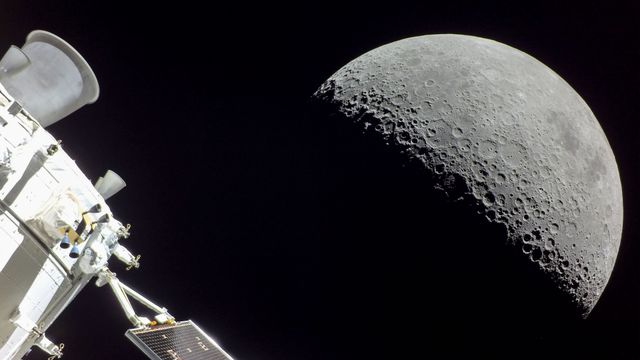
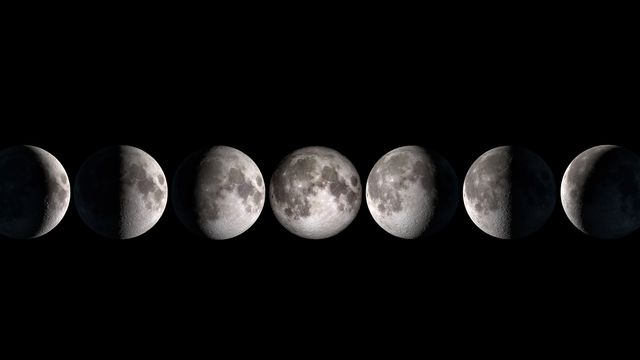
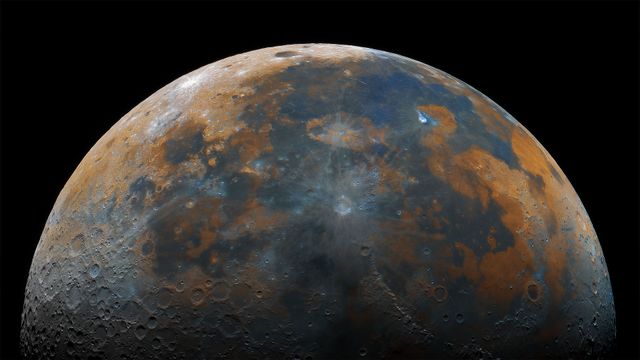
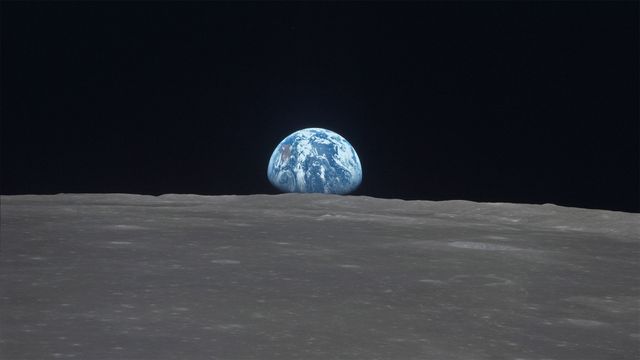
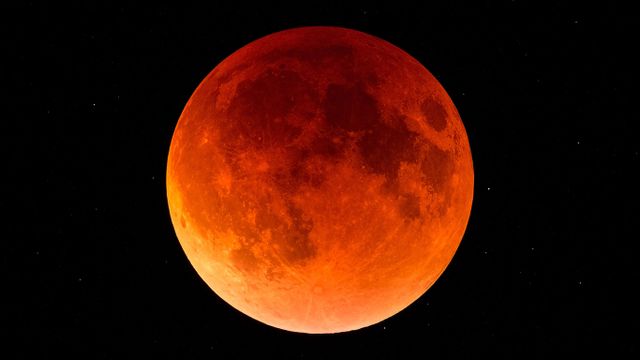
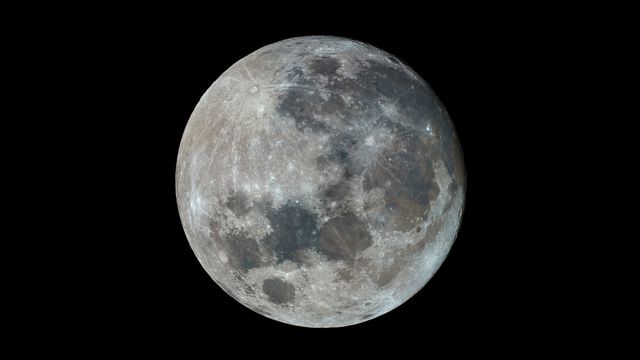
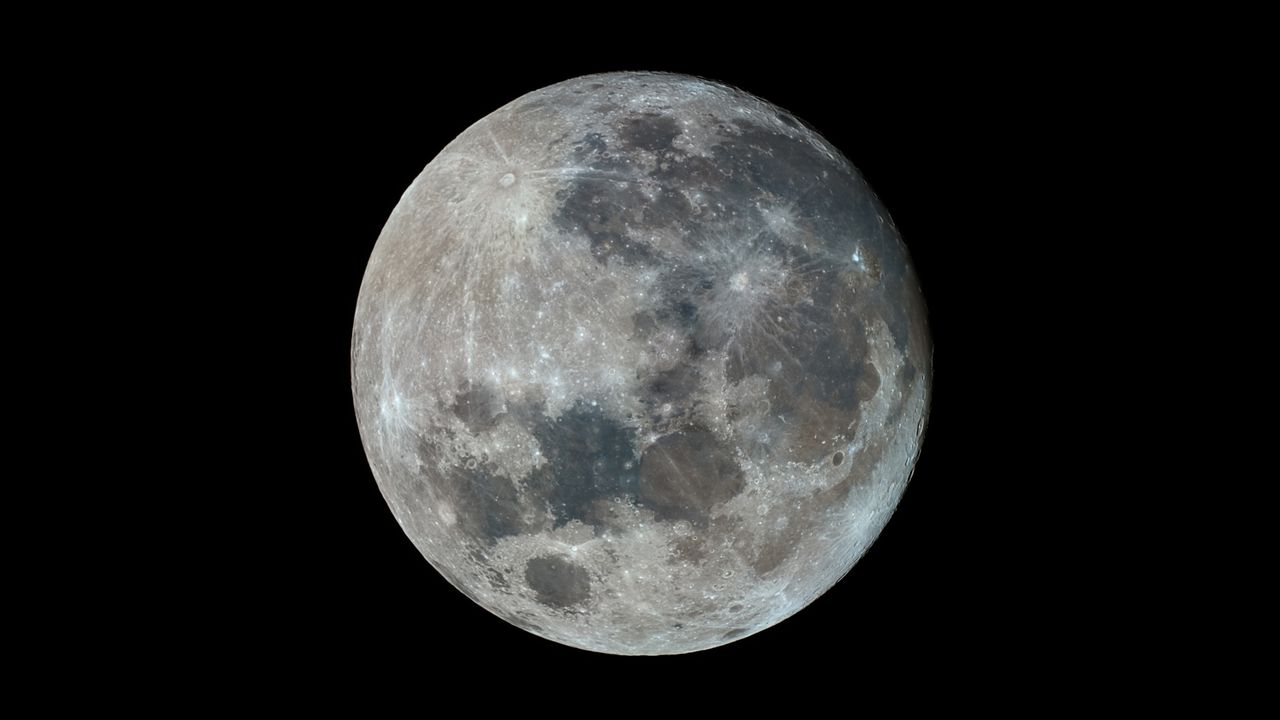
Today we're celebrating small steps and giant leaps—it's International Moon Day. This day honours the legacy of the Apollo 11 mission. Initially celebrated as National Moon Day in the United States, the day was recognised globally by the United Nations in 2021. Human civilisations have gazed at the sky for millennia, contemplating the origins and mysteries of the moon. The advent of space exploration transformed the moon into the target of numerous missions.
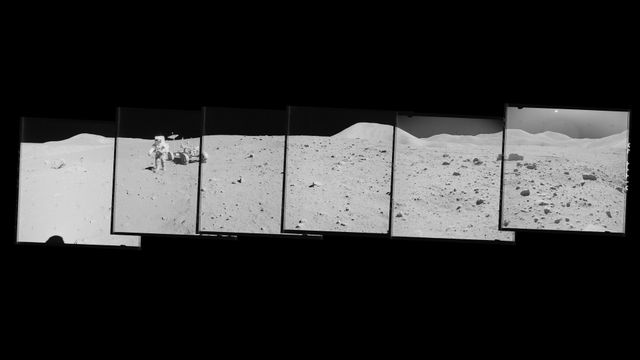
Apollo 11, the pioneering space mission that first landed humans on the moon, was launched on July 16, 1969. It culminated in the astronauts Neil Armstrong and Buzz Aldrin taking the first steps on the moon on July 20, 1969. Moon Day commemorates this historic event and serves as a reminder of the significant efforts required to launch the space programme. Moon missions have found no signs of life, but it could be a future site for human colonisation. The discovery of water ice, especially in the dark craters at the poles, makes it more hospitable for potential settlers. So, until you have a chance to live there, keep dreaming under the same moon that has captivated humanity since time immemorial.
Related Images
Bing Today Images