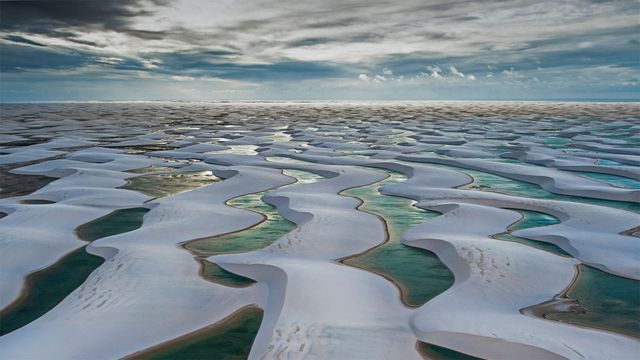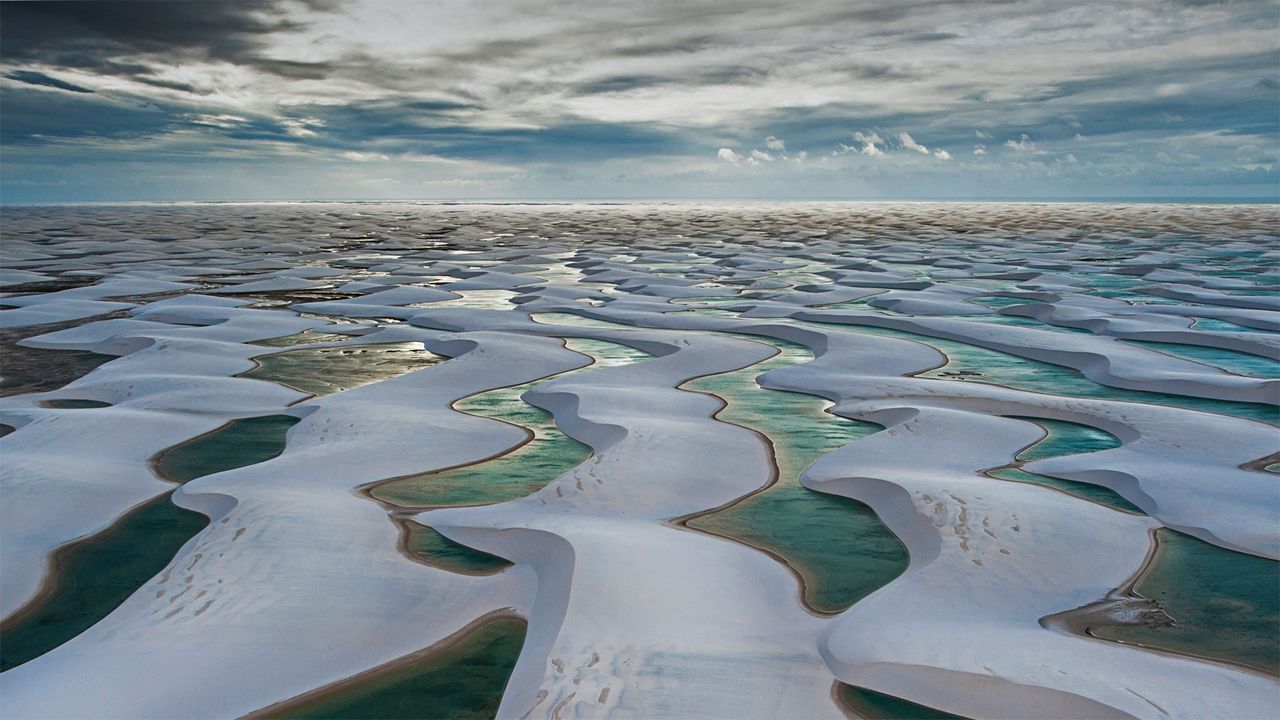
Lençóis Maranhenses National Park in Barreirinhas, Brazil
© WIN-Initiative/Getty Image
White dunes, blue lagoons
From the air, the mesmerising tapestry of sandy dunes and lagoons gives Lençóis Maranhenses National Park an otherworldly, desert-like appearance. Located in the sparsely populated north-east corner of Brazil, this park gets far too much rain to be considered a desert. In fact, heavy rain is part of what makes this place unique: Nearly 70% of its 1,270mm (50in) annual rainfall comes between January and May, filling nearly 40,000 lagoons in the park to the brim. A layer of impermeable bedrock beneath the dunes then stops the water from sinking into the sand.
Despite its remote location, the park has become a popular destination for ecotourists. Many come to see the various animals and plants that thrive here, including several endangered species. One of the park's most famous inhabitants is the predatory Atlantic wolffish, which lies dormant during the dry season by burying itself in the layers of wet mud in the lagoons, re-emerging to snack on unsuspecting prey as the pools refill when it rains.
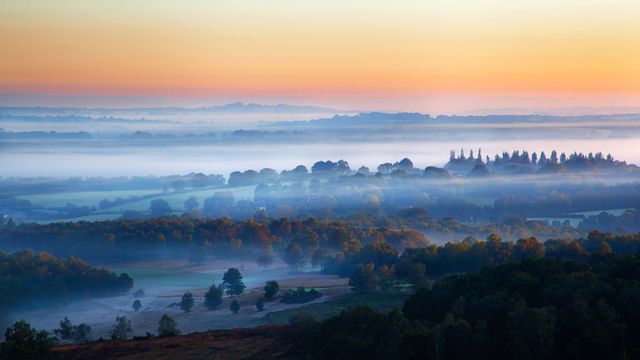 Misty sunrise in Ashdown Forest, East Sussex
 Arctic surfing trip in the Lofoten Islands, Norway
 Athens, Greece, for Greek Independence Day
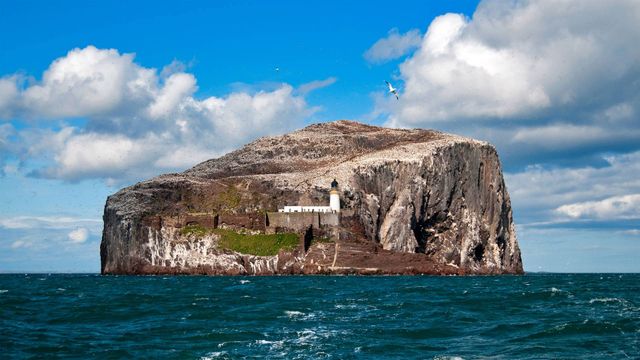 The Bass Rock in Scotland’s Firth of Forth
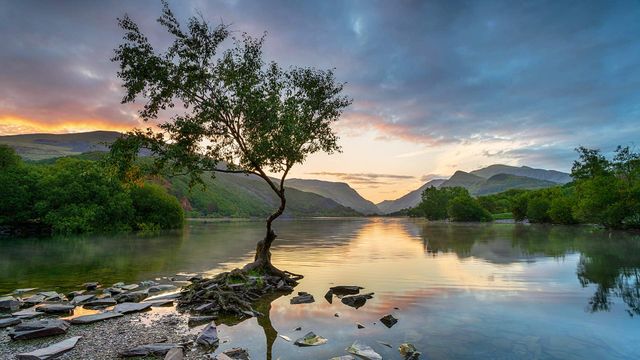 Sunrise at Llyn Padarn at Llanberis, Snowdonia National Park
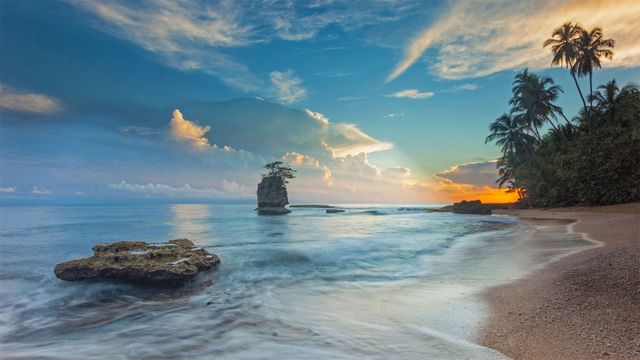 The shoreline of Cahuita National Park, in Costa Rica
 Siberian Snowkiting Cup in Novosibirsk, Russia
 Peggys Point Lighthouse at dusk, Peggy's Cove, Nova Scotia, Canada