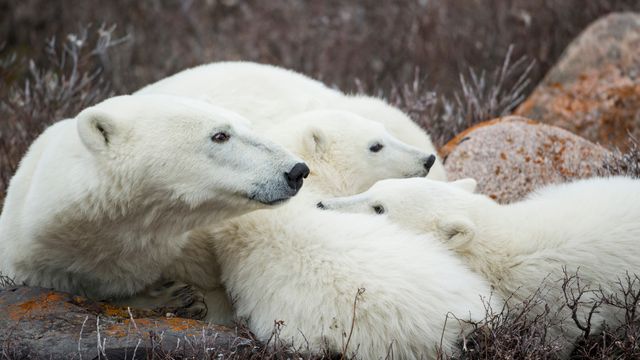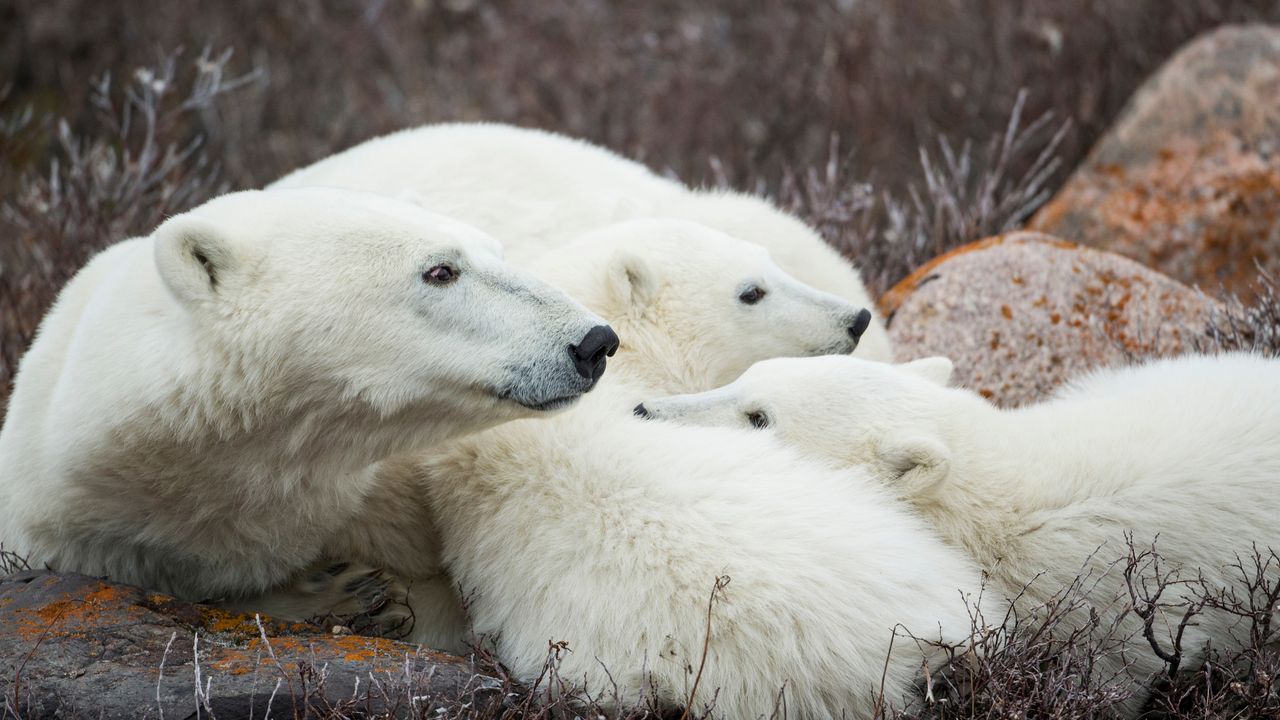
Polar bear and cubs by Hudson Bay, Manitoba, Canada
© Danita Delimont/Adobe Stoc
A future written in ice. Polar Bear Week
While November might bring us a step closer to the festive season, polar bears have other plans. They gather along the shores of Hudson Bay in Manitoba, Canada, waiting for sea ice to form so they can head back out to hunt seals. That annual spectacle inspired Polar Bear Week, observed during the first week of November, a celebration of the Arctic's largest land predator. Polar bears are powerful swimmers, expert hunters and remarkably adapted to life in one of Earth's harshest environments. Yet shrinking sea ice means many spend longer on land, making it harder to find food and raising the risk of encounters with people.
The tundra around these resting bears lies within Wapusk National Park, a protected area established in 1996 that spans roughly 11,000 square kilometers of fragile coastal habitat. Known scientifically as Ursus maritimus, polar bears depend on the freeze-up of Hudson Bay to reach ringed seals, their primary prey, after fasting through the ice-free months. Each year, the bay becomes largely ice-free by summer, a natural cycle that now carries a growing ecological cost as a warming climate delays freeze-up and shortens the time bears have to hunt. What has long been celebrated as the seasonal rhythm of the Arctic is in fact a narrowing window, one that now threatens the future of these iconic Canadian animals.
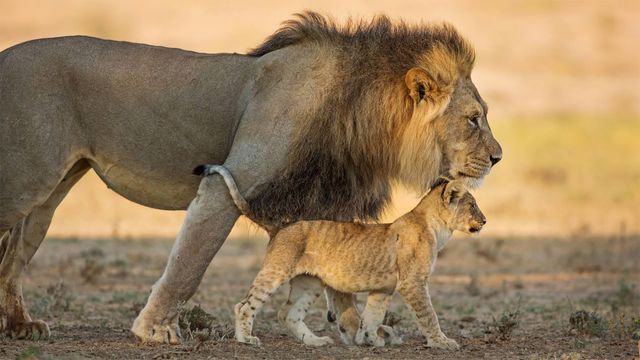 Male African lion and cub in Kgalagadi Transfrontier Park in southern Africa
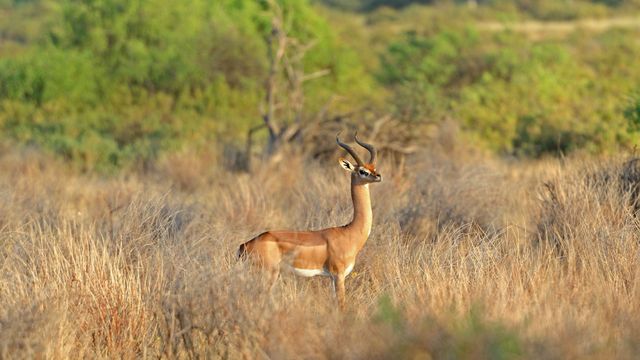 Gerenuk in Tsavo National Park, Kenya
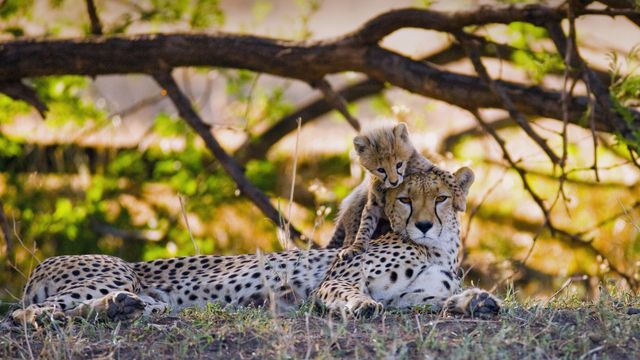 Mother cheetah and her cub in the Maasai Mara nature reserve, Kenya
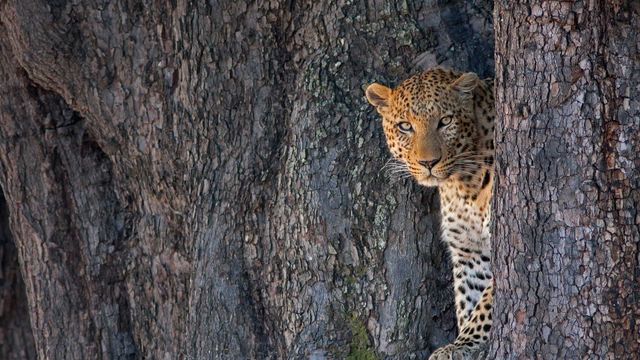 Male leopard in Linyanti Wildlife Reserve, Botswana
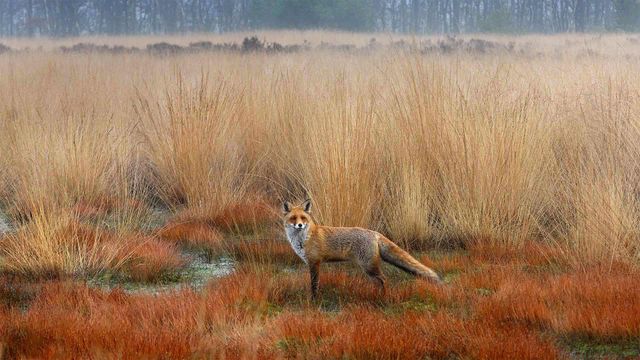 Red fox in the Netherlands
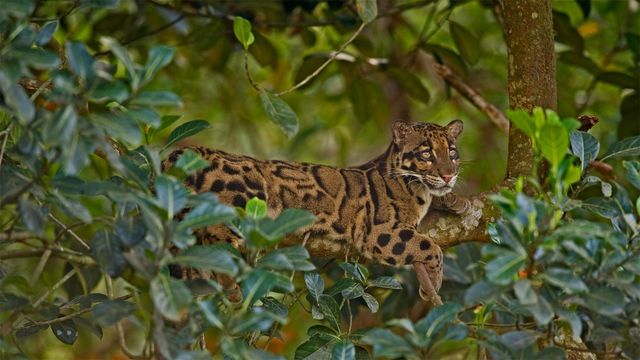 Clouded leopard
 Lion cubs hiding in tall grass in the Kalahari Desert, Botswana
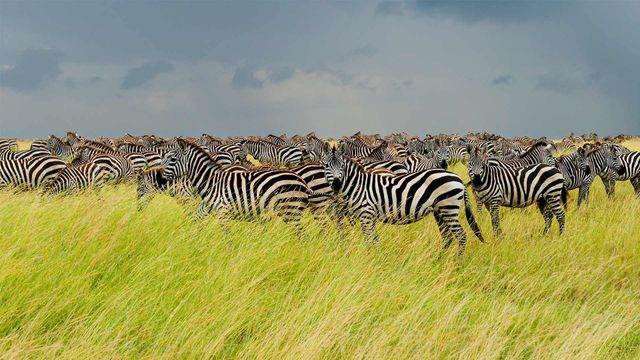 Zebras in Serengeti National Park, Tanzania