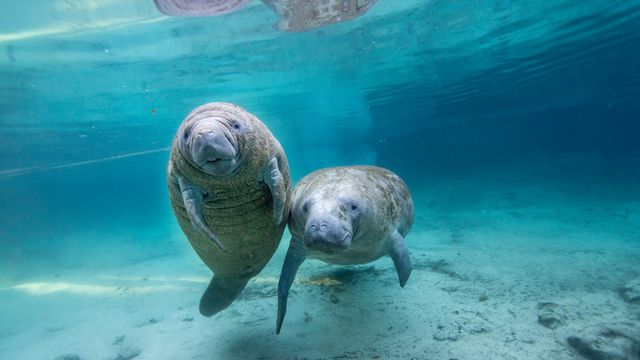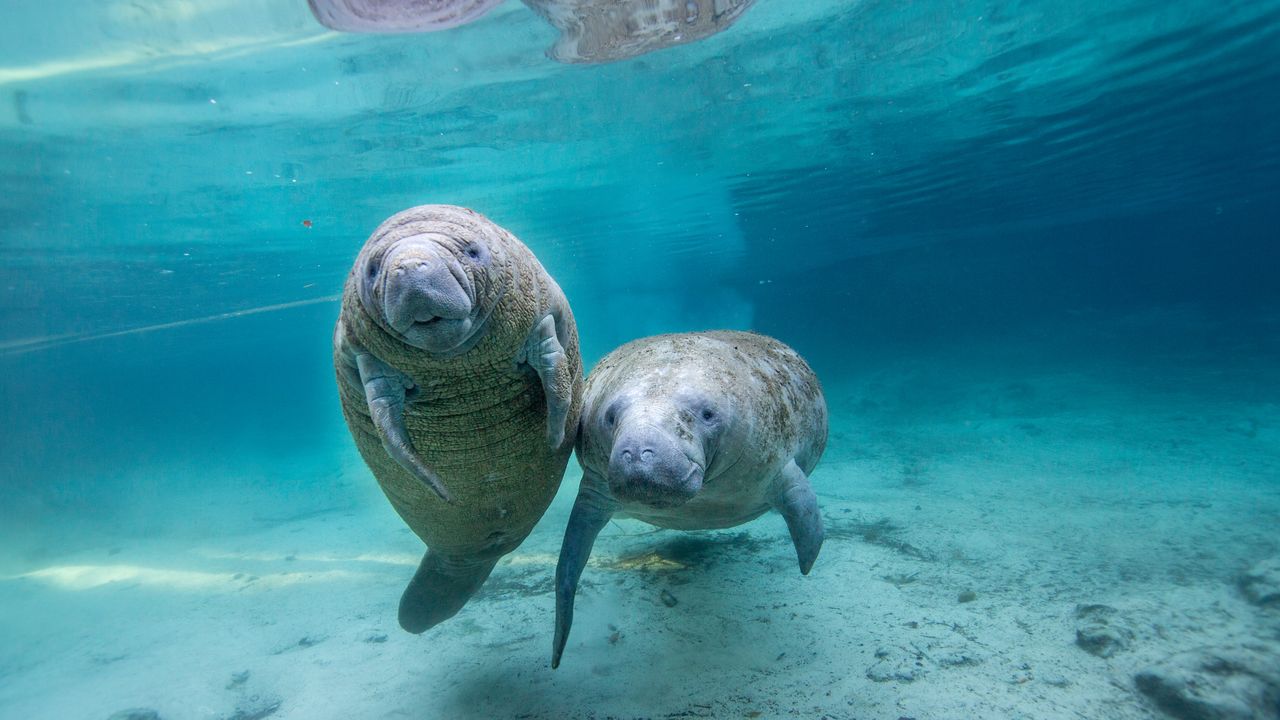
Juvenile manatees in a freshwater spring, Crystal River, Florida, United States
© Gregory Sweeney/Getty Image
The secret life of manatees. Juvenile manatees, Crystal River, Florida, United States
Manatees may seem slow and sleepy, but they have some surprising tricks under the surface. For starters, they are one of the few mammals that constantly replace their teeth. As old molars wear down from chewing gritty seagrass, new ones slowly roll forward like a conveyor belt—handy for an animal that eats for up to eight hours a day.
These gentle giants are also close relatives of elephants, which explains their wrinkled skin and flexible upper lips used to grab plants. Despite their size, they have very little body fat, making them sensitive to cold water and dependent on warm springs during winter.
Manatee Appreciation Day on 25 March celebrates these unusual mammals and raises awareness about threats like boat strikes and habitat loss. As manatees inhabit the Americas and West Africa, observance is limited to international conservation education and social media awareness rather than widespread national recognition. It's a reminder that even animals that may look like floating potatoes with flippers can be fascinating—and still need our protection.
Related Images
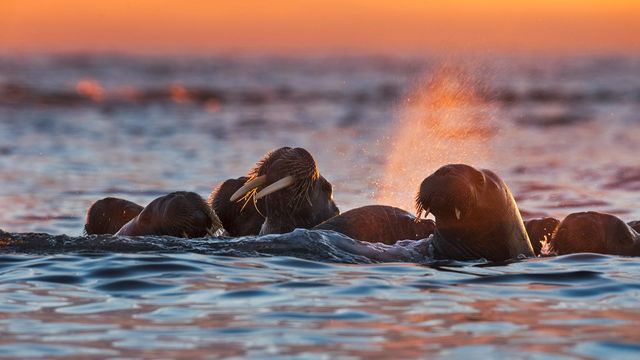 Walruses near Kvitøya in the Svalbard archipelago, Norway
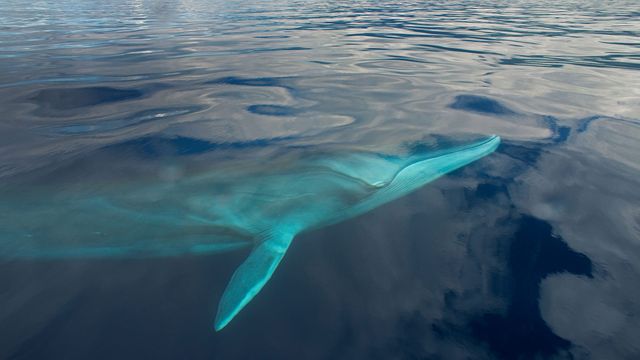 A fin whale in the waters off the Azores
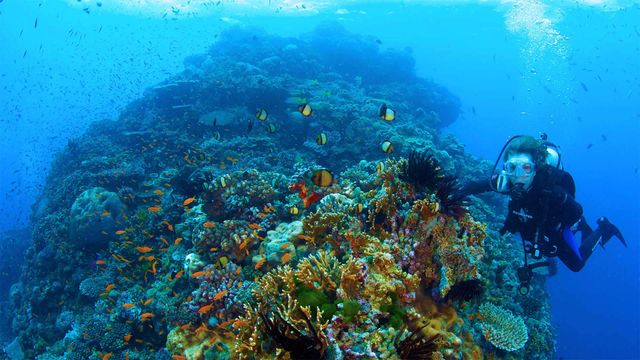 Dr. Sylvia Earle explores the Great Barrier Reef in a scene from 'Mission Blue'
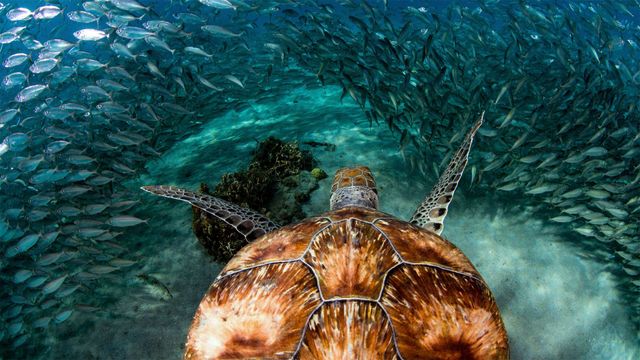 Green sea turtle with sardines near Playa Grandi Beach, Curaçao
 Bubbles in the ice of Abraham Lake in Alberta, Canada
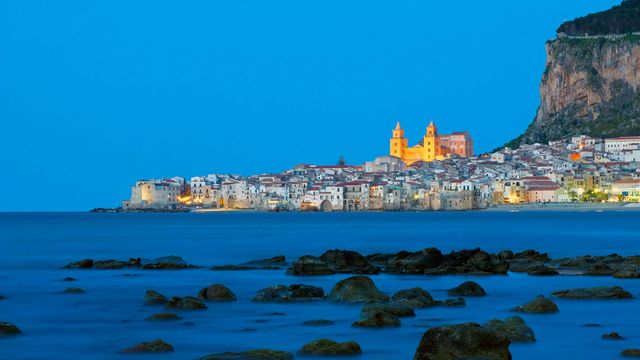 Cefalù on Mediterranean Sea in Sicily, Italy
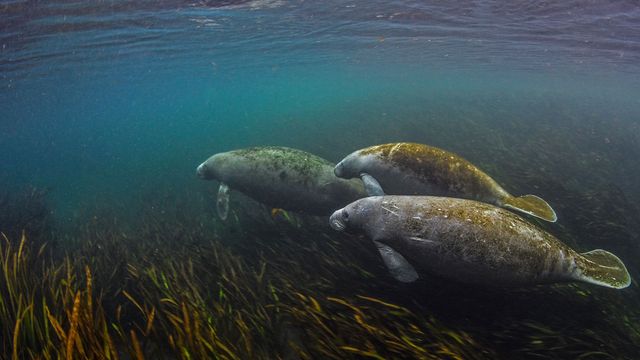 Manatees in the Ichetucknee River in Florida, USA.
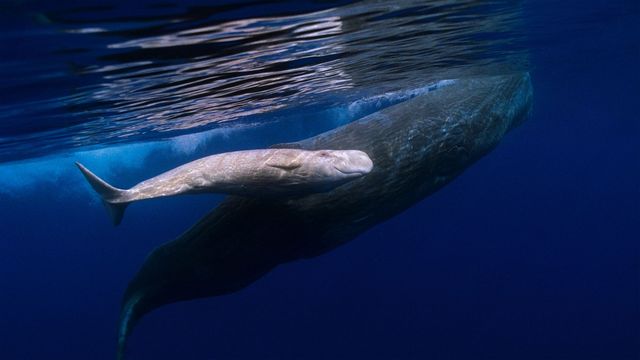 Sperm whale mother and albino baby swimming off the coast of Portugal
Bing Today Images