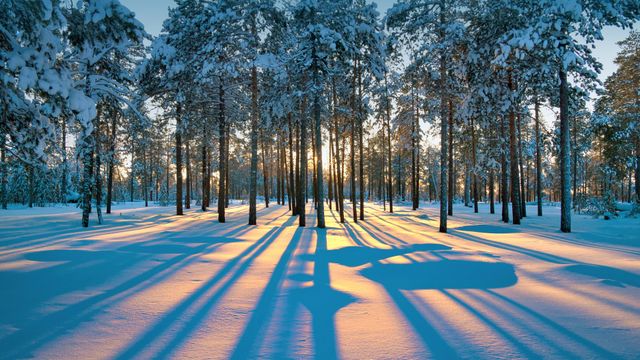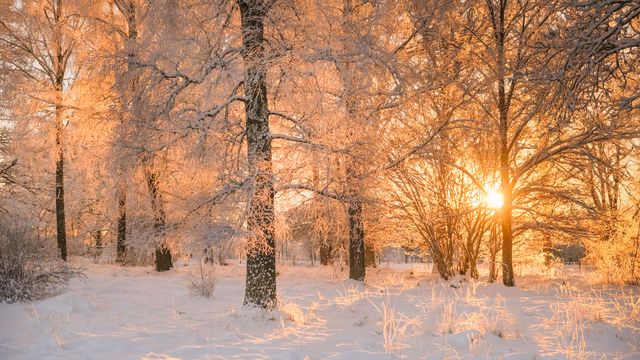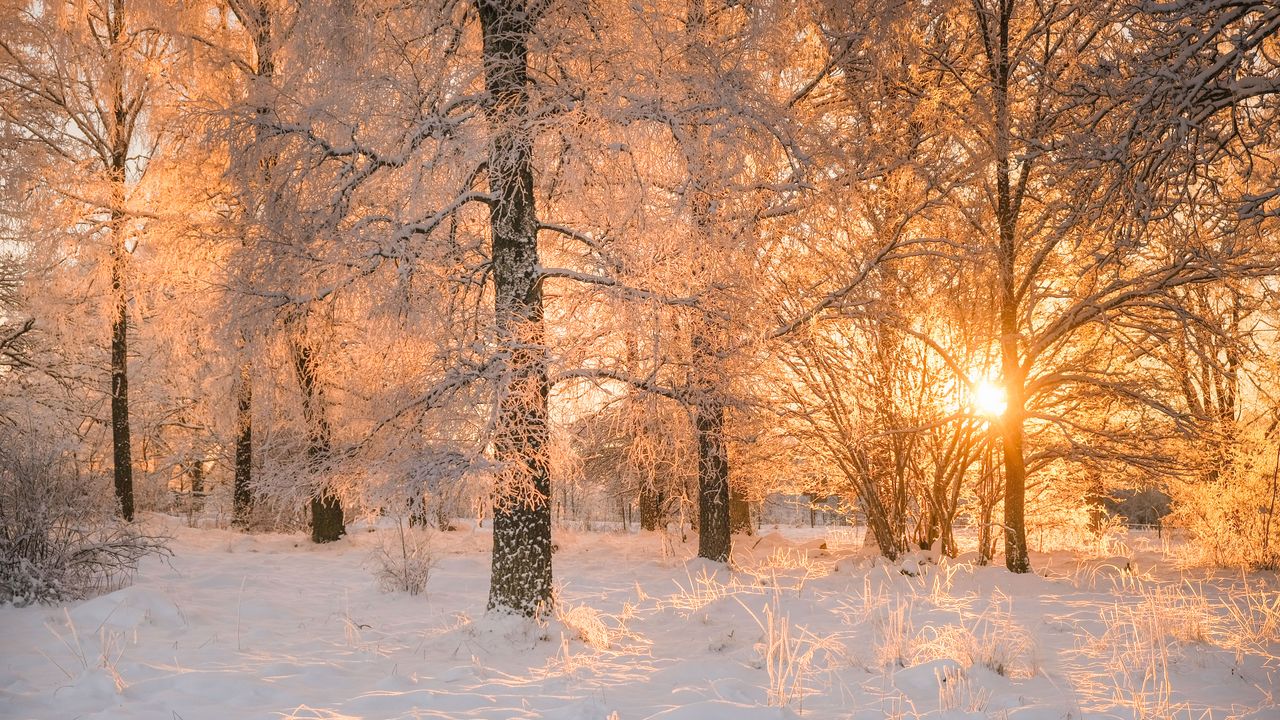
Dawn light through frosty trees, Sweden
© Schon/Getty Image
Dawn light through frosty trees, Sweden
Ever wondered why some days feel endless while others pass in the blink of an eye? This fascinating rhythm of day and night is closely tied to a remarkable event called the solstice. Occurring twice a year, solstices mark the moments when the Sun reaches its highest or lowest point in the sky at noon, resulting the longest and shortest days of the year. There are two solstices each year: the summer solstice and the winter solstice.
The summer solstice, occurring around June in the Northern Hemisphere and December in the Southern Hemisphere, marks the longest day of the year, when the Sun reaches its highest point in the sky above the Tropic of Cancer. In contrast, the winter solstice happens around December in the Northern Hemisphere and June in the Southern Hemisphere, brings the shortest day and the longest night, as the Sun hovers over the Tropic of Capricorn.
Though science now explains the phenomenon, its symbolism endures—a reminder that even in the darkest moment of the year, the world is already turning back toward the light.
Related Images
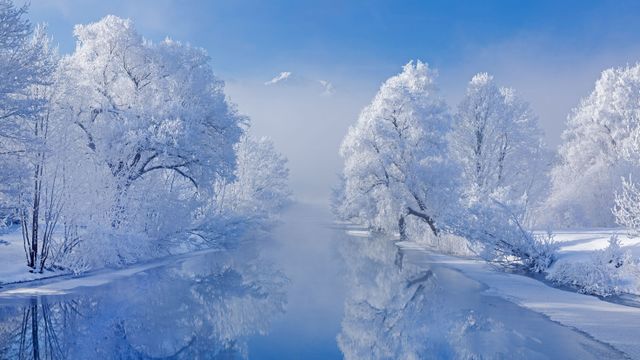 Kochelsee and Heimgarten mountain, Bavaria, Germany
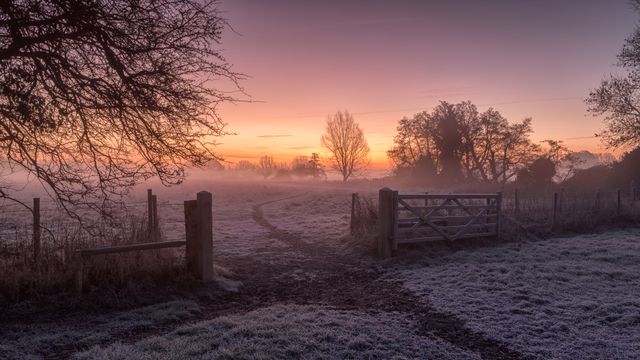 Winter sunrise in Dedham, Colchester, England
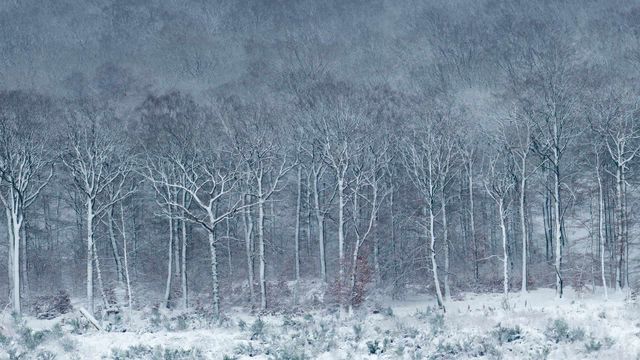 Luzulo-Fagetum beech forest covered with frost and snow, Ardennes, Belgium
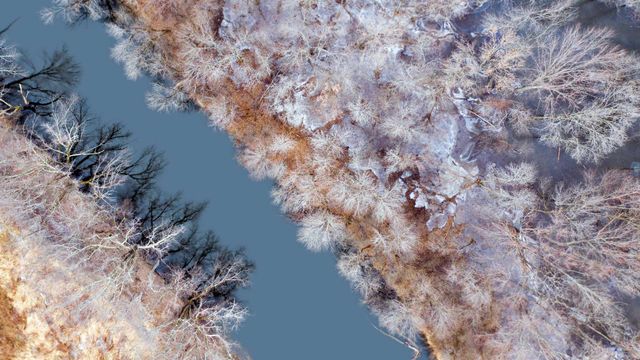 Otter Creek in winter in Brandon, Vermont
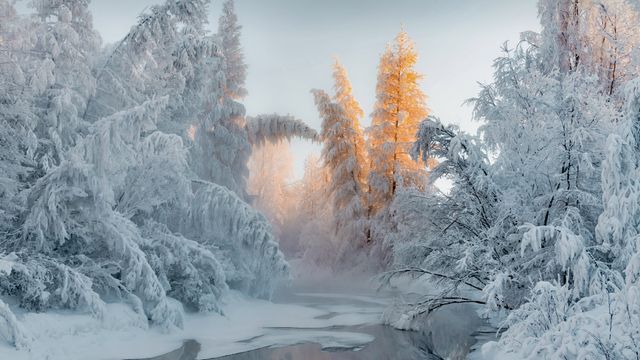 Oymyakon, Russia
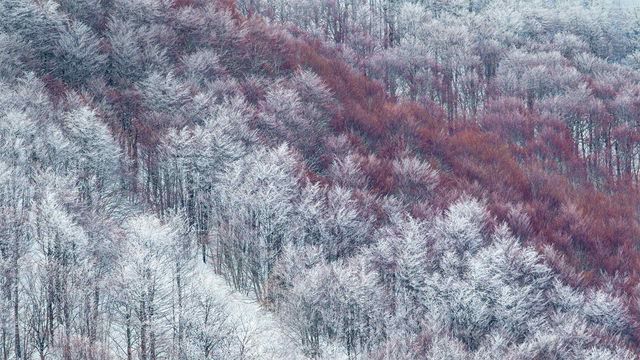 Partly snow-covered slope in Val Cervara, an old-growth beech forest, in Abruzzo, Italy
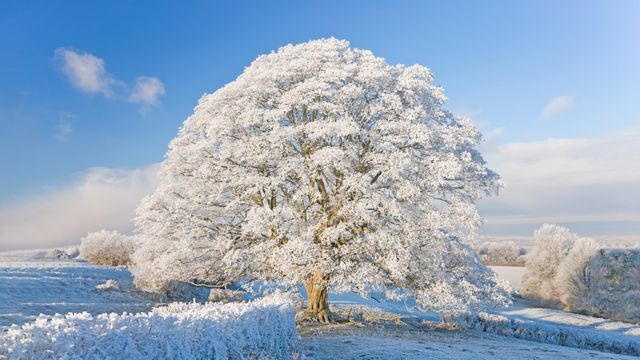 Cotswolds, England
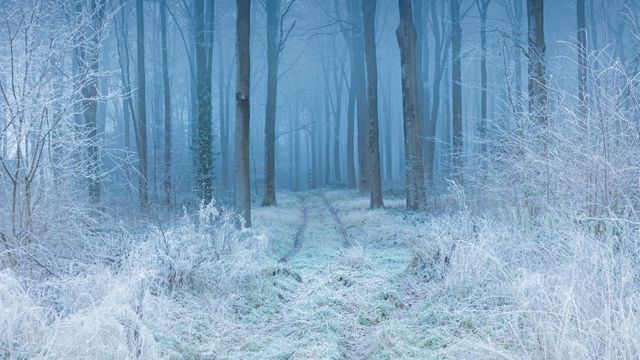 Cranborne Chase, Dorset, England
Bing Today Images