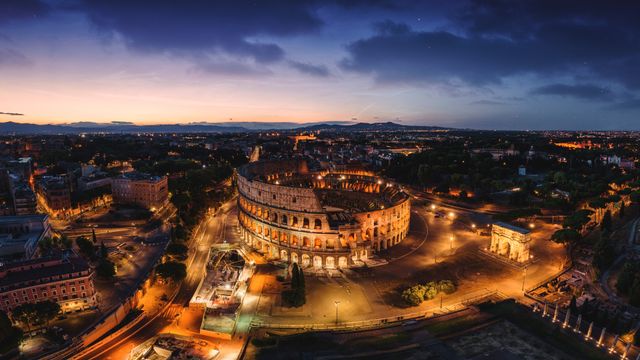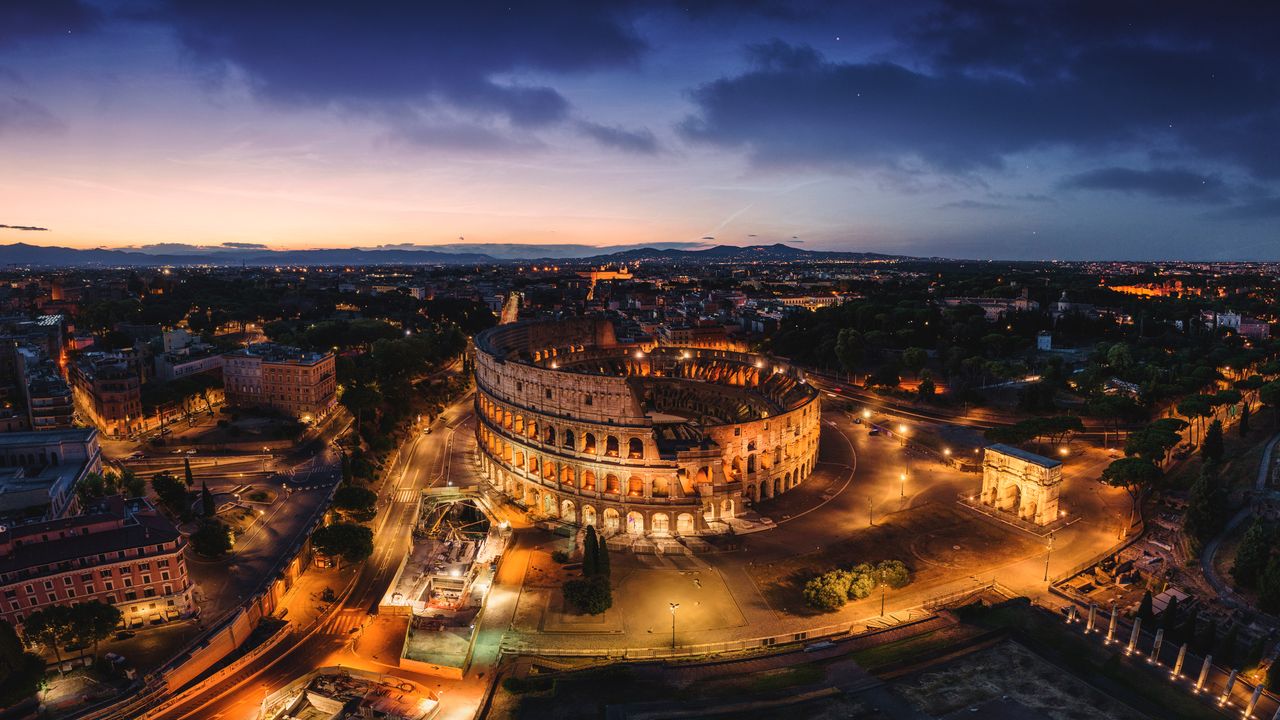
Aerial view of the Colosseum, Rome, Italy
© Nico De Pasquale Photography/Getty Image
All roads lead to Rome. Colosseum, Rome, Italy
Think modern sports are dramatic? Ancient Romans had front-row seats to spectacles far more intense inside the Colosseum. Commissioned by the Flavian emperor Vespasian in 72 CE and finished by his son Titus in 80 CE, this amphitheater broke tradition with its predecessors that were built into hillsides for natural support. Instead, the Colosseum was a fully free-standing architectural giant. Crafted from stone and concrete, its arches and vaults supported an arena that could host up to 50,000 spectators. Gladiators, exotic animals, and even staged sea battles thrilled the crowds, while hidden elevators and trapdoors created sudden, dramatic appearances.
During the Middle Ages, the Colosseum found new purposes: first as a church, later as a fortress. Over the centuries, it endured damage from lightning strikes, earthquakes, and pollution. Much of its marble and travertine was also reused in palaces, fortifications, and even churches—a practice known as 'spolia,' which quite literally wove pieces of the structure into the evolving city of Rome. It wasn't until the 19th century that serious preservation began. Today, recognized as a protected monument and welcoming nearly 7 million visitors annually, the Colosseum remains one of Italy's most iconic landmarks.
Related Images
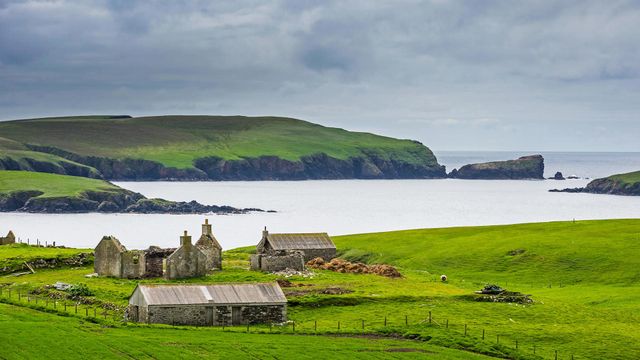 An old farm in the Shetland Islands, Scotland
 Mount Rainier National Park in Washington state
 At the top of Mount Fuji in Japan
 Old Town of Tallinn, Estonia
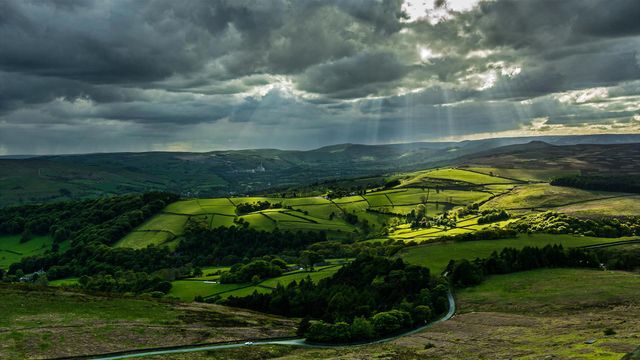 Hope Valley, Peak District, England
 For Waitangi Day, the Pancake Rocks on New Zealand’s South Island
 Coast redwoods in Henry Cowell Redwoods State Park, California
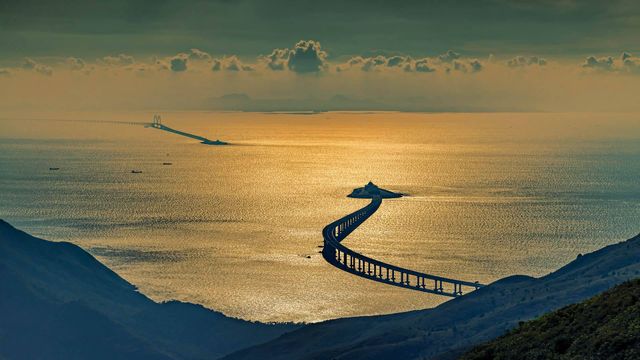 Hong Kong-Zhuhai-Macau Bridge, China
Bing Today Images