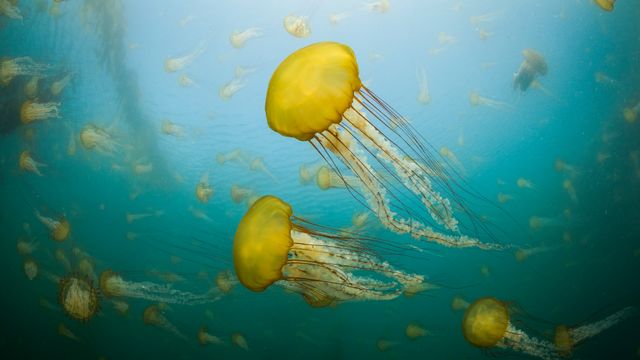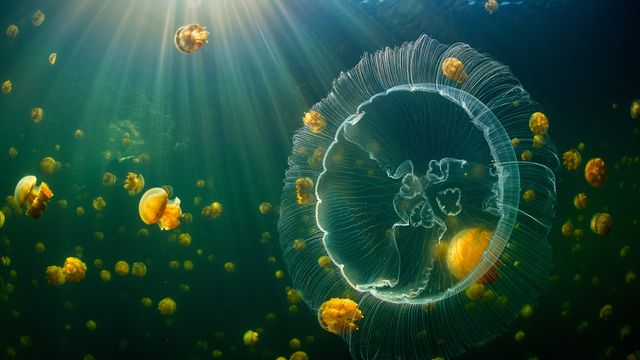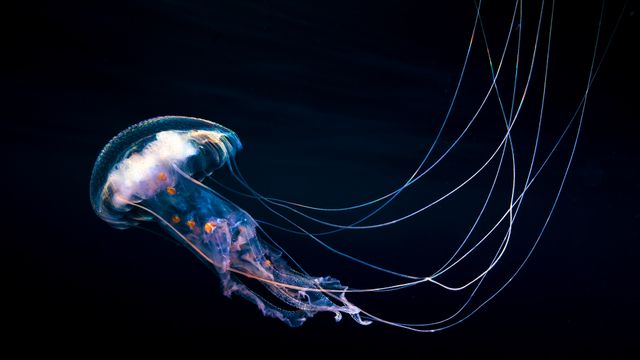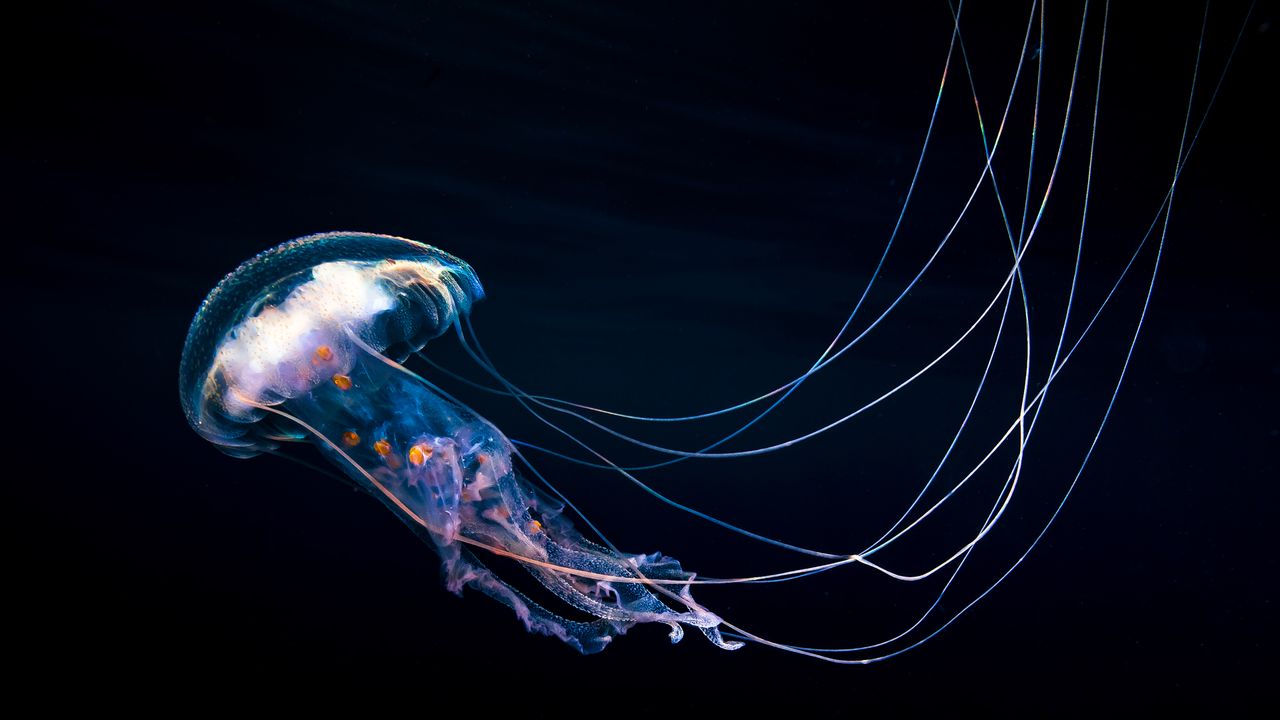
Jellyfish swimming in the Pacific, Guerrero, Mexico
© Christian Vizl/TANDEM Stills + Motio
Just jellin'. World Jellyfish Day
They don't have brains, bones or even hearts, yet jellyfish have pulsed through Earth's oceans for half a billion years. Today, on World Jellyfish Day, these wobbly wonders get their moment in the sun—or at least under the sea. The day promotes efforts to protect jellyfish habitats from threats like pollution, nutrient-rich runoff and ocean acidification.
Don't be fooled by the 'fish' in their name: they belong to the invertebrate club called Cnidaria, and they're made up of about 95% water. With their bell-shaped bodies and trailing tentacles, they're more like ocean drifters than deep-sea athletes. Some glow like the one pictured here in the Pacific Ocean off Guerrero, Mexico, others pack stings and a select few, like the 'immortal jellyfish,' can reset their life cycle and start again.
Jellyfish are vital links in the food chain, feeding turtles, sunfish and seabirds. Their sudden population booms also act as alarms, signalling changes in the ocean caused by warming waters and overfishing. So today, let's give credit where credit is due—to the brainless blobs that have outlived dinosaurs, mastered the art of drifting and proved that sometimes being spineless is actually a strength.
Related Images
 Yunishigawa Kamakura Festival in Tochigi Prefecture, Japan
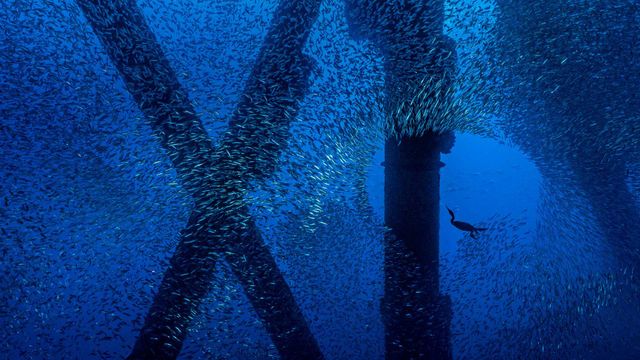 A Brandt's cormorant hunts for a meal in a school of Pacific mackerel beneath an oil rig off the coast of Los Angeles
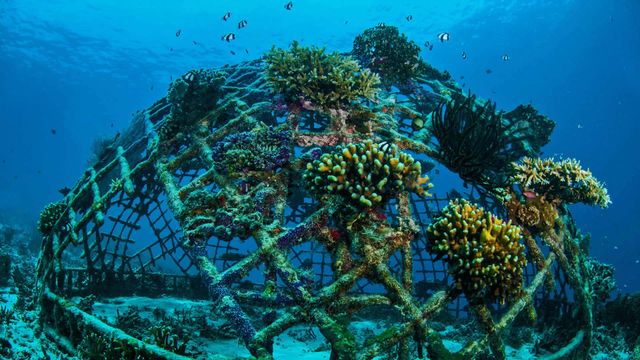 Biorocks growing coral off the Gili Islands, Indonesia
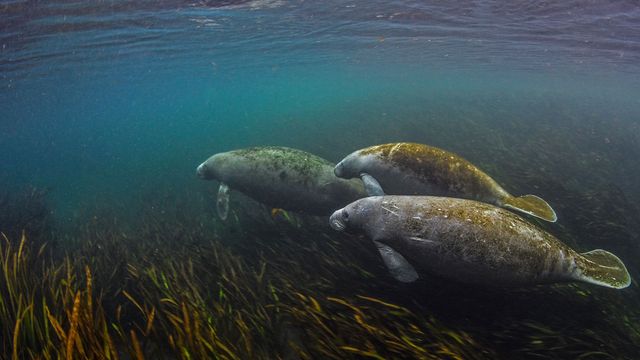 Manatees in the Ichetucknee River in Florida
 Night scenery with full noon, Mount Assiniboine Provincial Park, B.C.
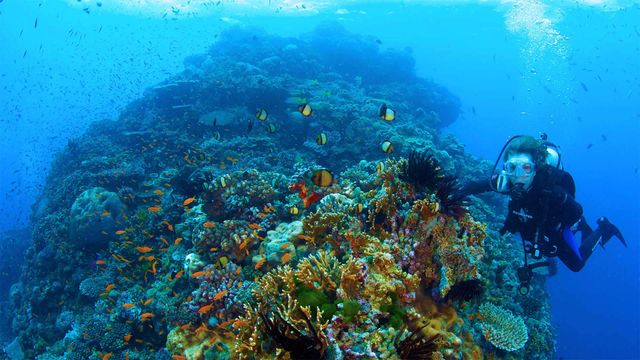 Dr. Sylvia Earle explores the Great Barrier Reef in a scene from 'Mission Blue'
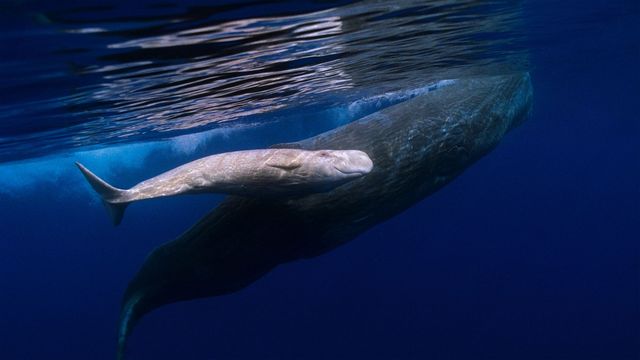 Sperm whale mother and albino baby swimming off the coast of Portugal
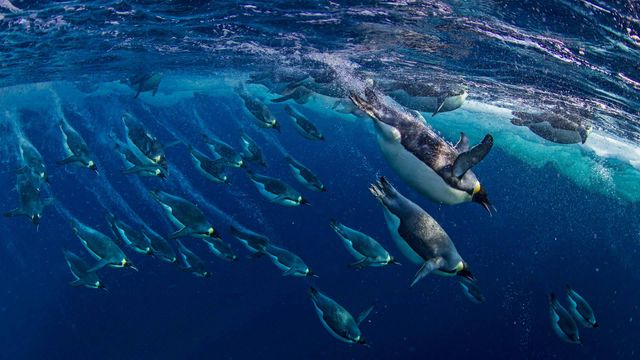 Emperor penguins in the Ross Sea, Antarctica
Bing Today Images