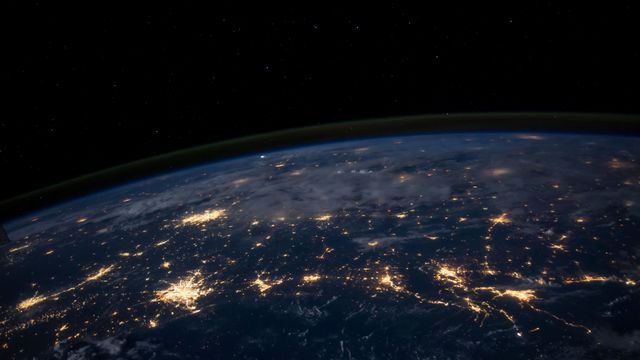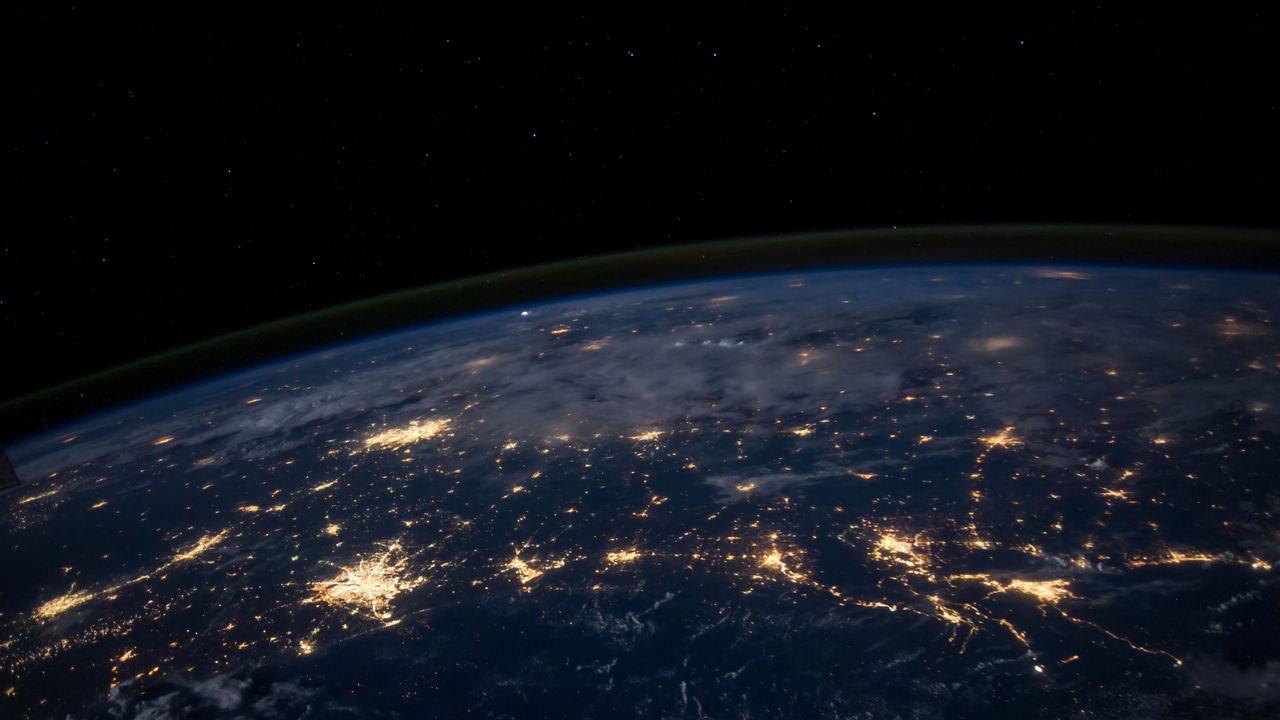
Nighttime view of the Gulf Coast states from 225 miles above Earth
© Stocktrek Images/Getty Image
A stratospheric success. Nighttime view over the Gulf Coast
What do invisible gases, vintage hairspray, and satellites have in common? They all played a role in one of the greatest environmental comebacks in history. Seen from 225 miles above, the Gulf Coast glows like a constellation—clusters of light scattered across the dark. But what truly makes this view possible can't be seen: the ozone layer, silently shielding everything below from the sun's ultraviolet rays. By the 1980s, that shield was thinning fast—damaged by chemicals once used in refrigeration and aerosol products. The solution? A global pact. The Montreal Protocol, signed in 1987, led to a swift phase-out of ozone-depleting substances. Today, satellites show that the hole over Antarctica is shrinking. Scientists believe it could be fully healed by mid-century.
On September 16, we mark the International Day for the Preservation of the Ozone Layer—a celebration of science, global cooperation, and collective will. It's a reminder that no molecule is too small to have a massive impact. But it's proof, too, that with the right action, even invisible damage can be undone.
Related Images
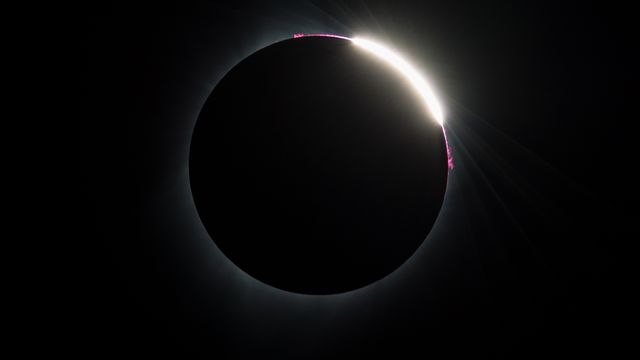 Total solar eclipse photographed from Madras, Oregon on August 21, 2017
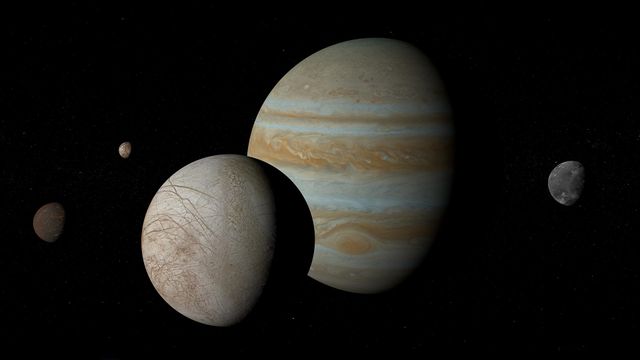 Jupiter and its moons Io, Europa, Ganymede, and Callisto
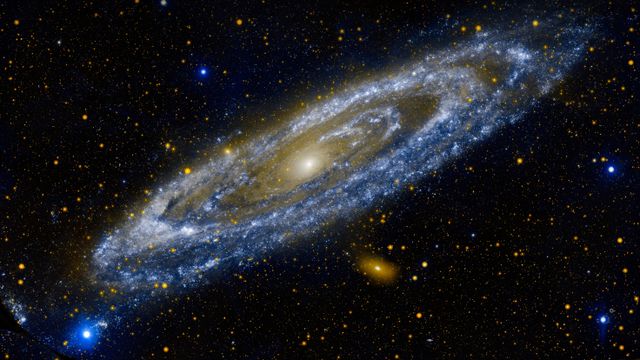 Andromeda galaxy
 The Pillars of Creation viewed by the James Webb Space Telescope
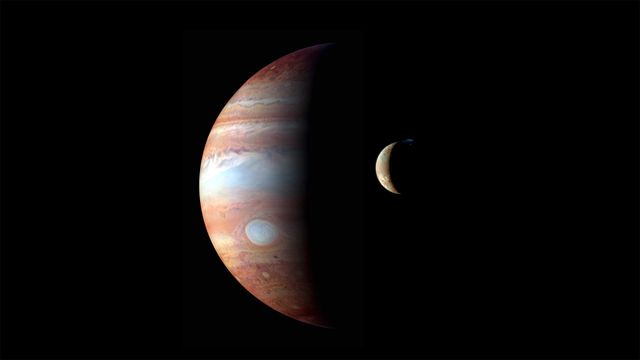 Montage of images of Jupiter and its volcanic moon Io
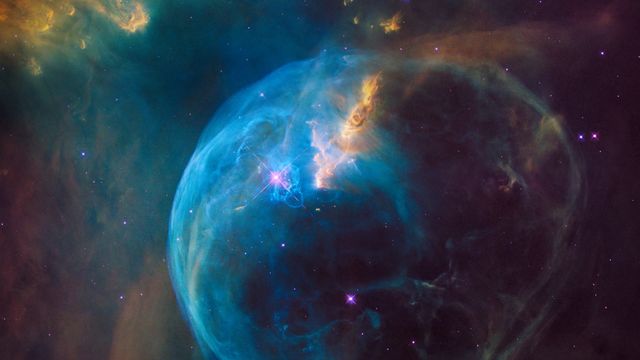 Bubble Nebula (NGC 7635)
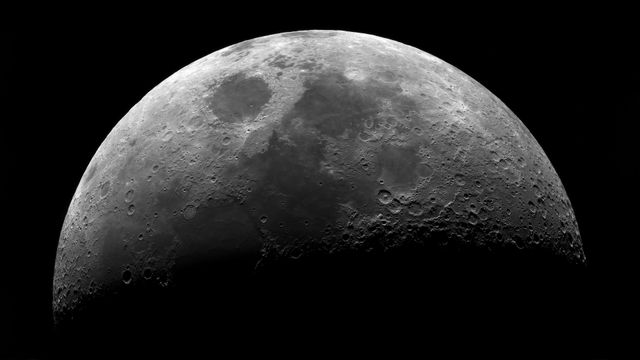 The moon's surface photographed through a telescope
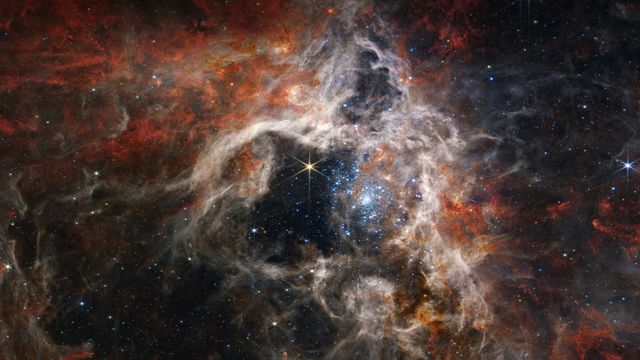 Young stars forming in the Tarantula Nebula, James Webb Space Telescope
Bing Today Images