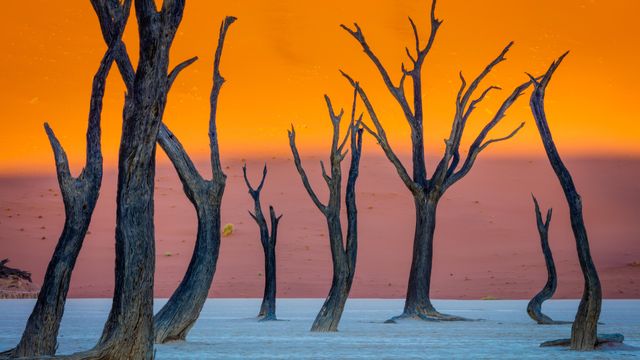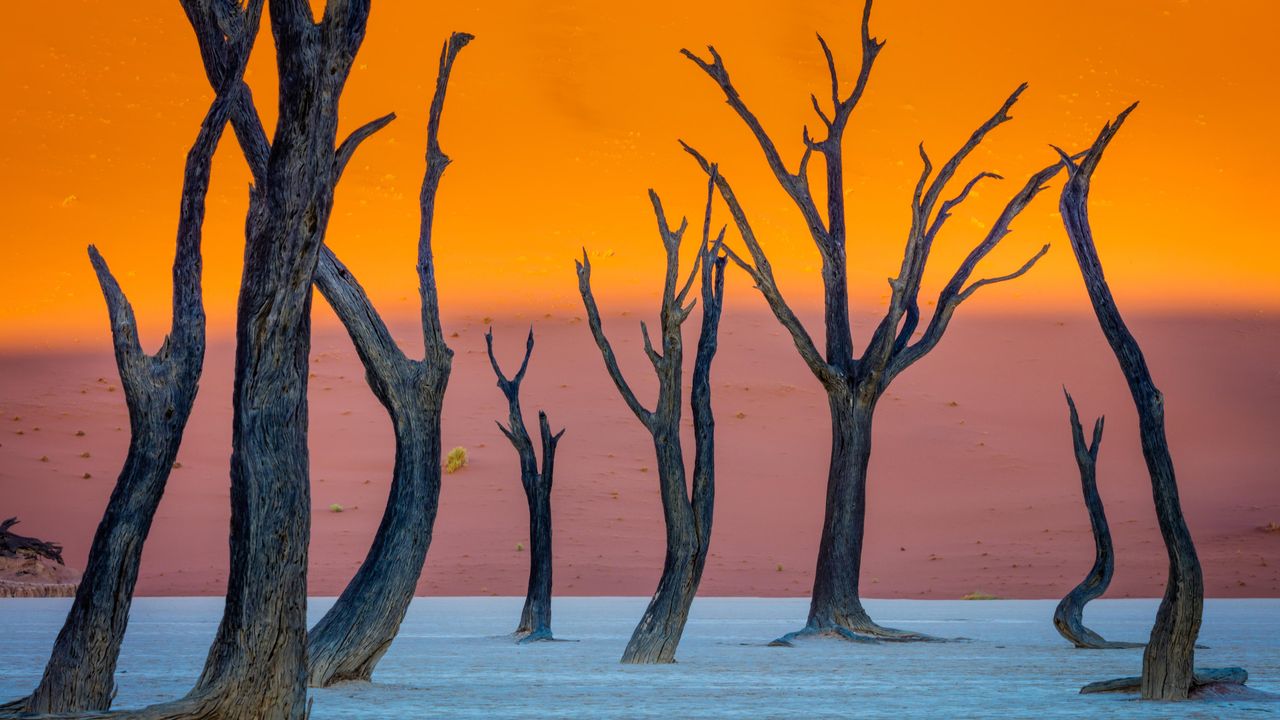
Camel thorn trees, Deadvlei, Namib-Naukluft Park, Namibia
© Inge Johnsson/Alamy Stock Phot
Ghosts of Deadvlei. Camel thorn trees, Namib-Naukluft Park, Namibia
At first glance, it looks like a surreal art installation: dark trees frozen on a clay pan, backed by sand dunes and a glowing sky. But this scene from Deadvlei, in Namibia's Namib-Naukluft Park, is entirely natural. The name 'Deadvlei' means 'dead marsh'—a remnant of the wetland that once filled this basin.
Centuries ago, a river sustained this patch of life. Then the dunes shifted, cutting off the flow. The camel thorn trees that once grew here didn't collapse or vanish. The extreme aridity and high salt content in the soil stopped the natural process in its tracks. Under those conditions, even decay gave up. The trees were embalmed by the desert—sun-dried, rigid and rooted in place for up to 900 years. Deadvlei's power lies not only in its stark beauty but in its quiet defiance. These trees, no longer alive yet not fully gone, remain like permanent witnesses in a place that chose stillness over erasure.
Related Images
 Male mountain bluebird in Yellowstone National Park, Wyoming
 Male Cape May warbler in spring
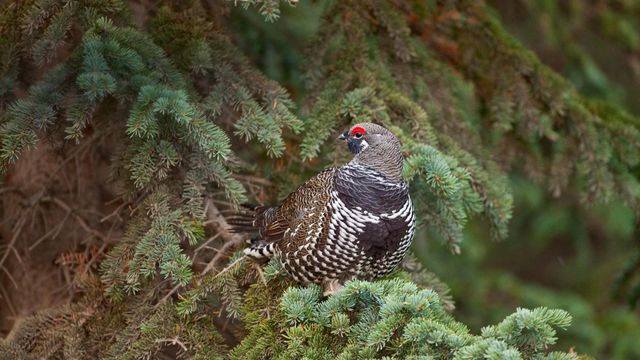 Spruce grouse in a spruce tree in Denali National Park, Alaska
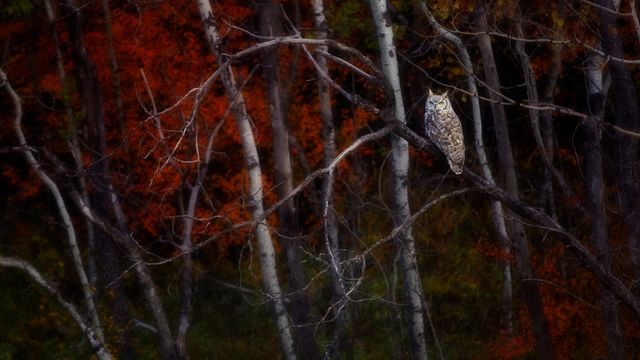 Great Horned Owl sitting on an Aspen tree, Alberta
 Gray Jay (Perisoreus canadensis) resting on a branch at Algonquin Provincial Park, Ont.
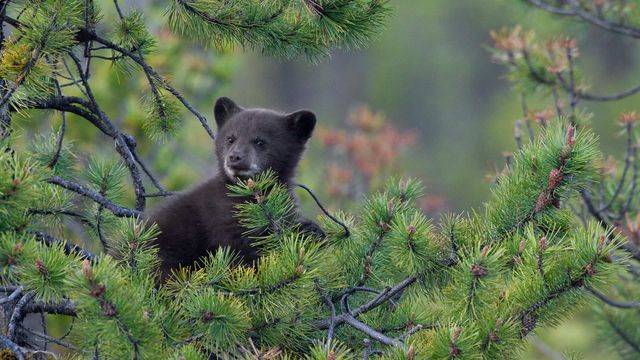 A Black Bear (Ursus americanus) cub in a pine tree, Jasper National Park, Alta.
 A European goldfinch perched among rosehips in snow
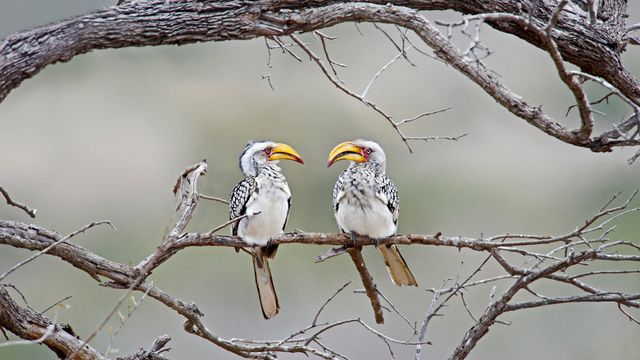 Southern yellow-billed hornbills in Kruger National Park, South Africa
Bing Today Images