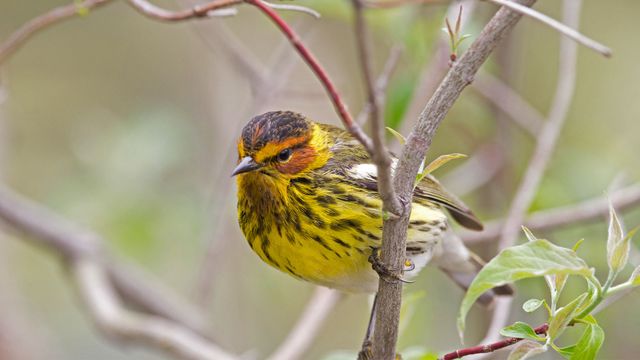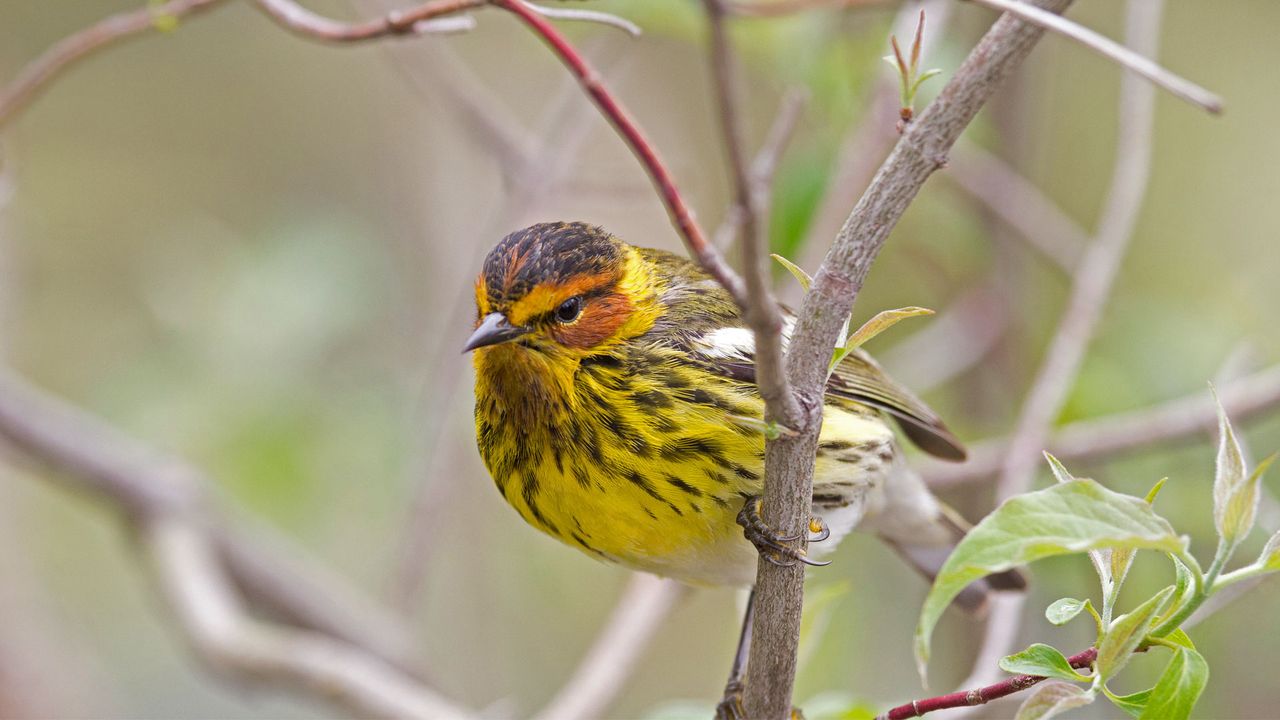
Male Cape May warbler in spring
© JZHunt/Getty Images Plu
A songbird with Jersey roots. Travelling warblers
The Cape May warbler was named for Cape May, New Jersey, where it was first observed by ornithologist Alexander Wilson in 1811. After that, these birds weren't seen again in the area for more than a century.In spring, this warbler migrates almost 4,800 kilometres—from the West Indies to the coniferous forests in Canada and the northern U.S. to breed. As this fist-sized songbird flies north, its diet adapts to the environment. During winter among palm trees, the Cape May drinks nectar thanks to its unusual semi-tubular tongue. But in summer in the boreal forests, it eats insects—especially the spruce budworm—with a special gusto.
Related Images
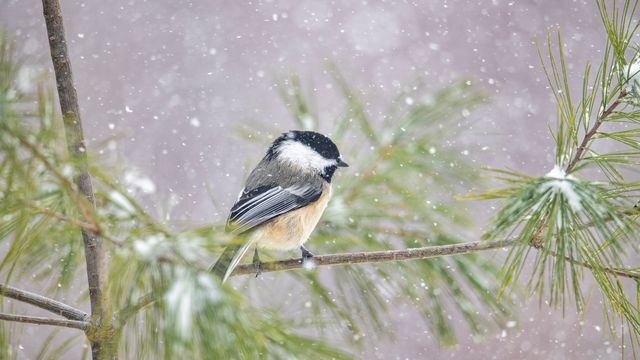 Black-capped Chickadee (Poecile atricapillus) in snowfall, Nova Scotia
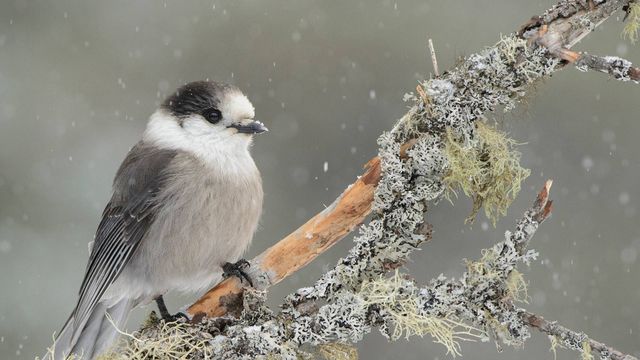 Canada Jay (Perisoreus canadensis) in light snowfall, Ontario
 An indigo bunting at the John James Audubon Center at Mill Grove in Audubon, Pennsylvania
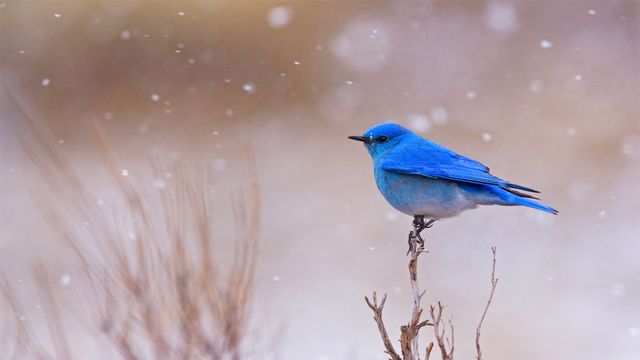 Male mountain bluebird in Yellowstone National Park, Wyoming
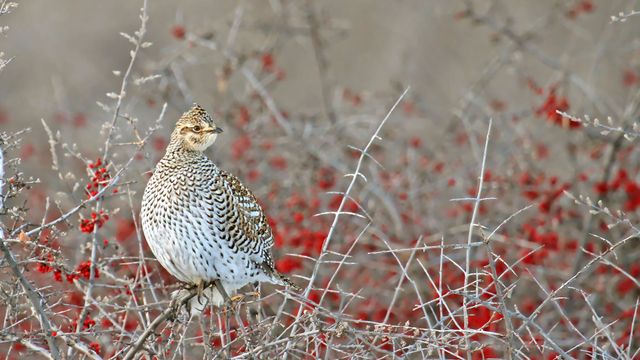 A sharp-tailed grouse (tympanuchus phasianellus) perched on a buffalo berry shrub in Elbow, Sask.
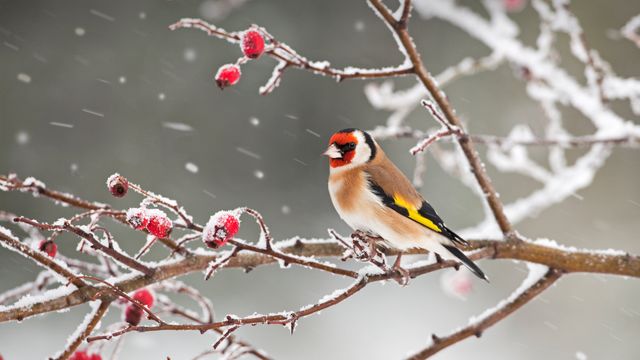 A European goldfinch perched among rosehips in snow
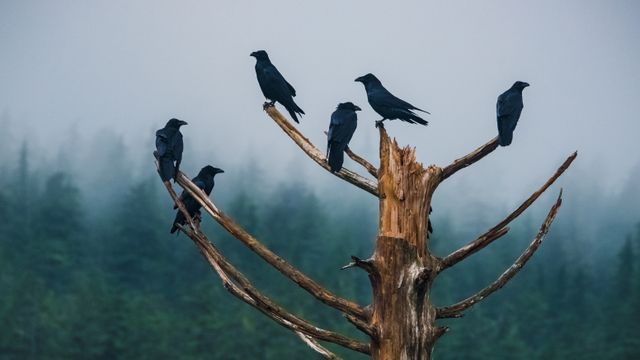 An unkindness of ravens in Juneau, Alaska
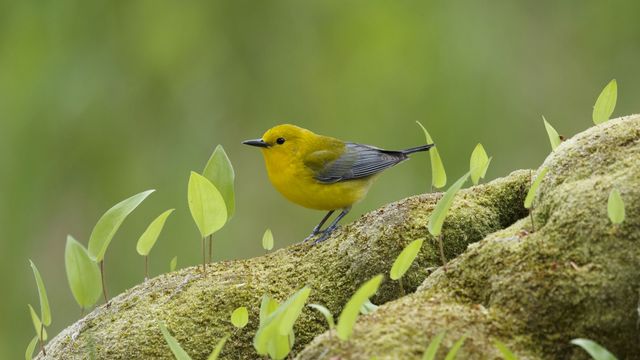 Prothonotary Warbler (protonotaria citrea) in Ontario
Bing Today Images

View over Jaipur from Hawa Mahal, Rajasthan
May 25, 2026

Butchart Gardens in Brentwood Bay, British Columbia
May 25, 2025

Aït Benhaddou, Morocco
May 25, 2024

Saksun, Faroe Islands, Denmark
May 25, 2023

Alhambra in Granada, Andalucia, Spain
May 25, 2022

Geological site of Hopewell Rocks in New Brunswick
May 25, 2021


Vineyard near Pully, Vaud, Switzerland
May 25, 2018

The Pyramids of Meroë in Sudan
May 25, 2017