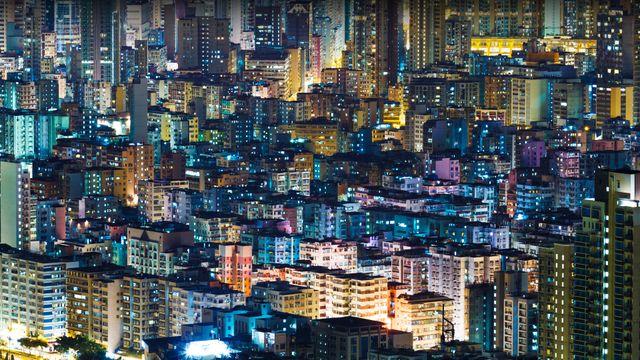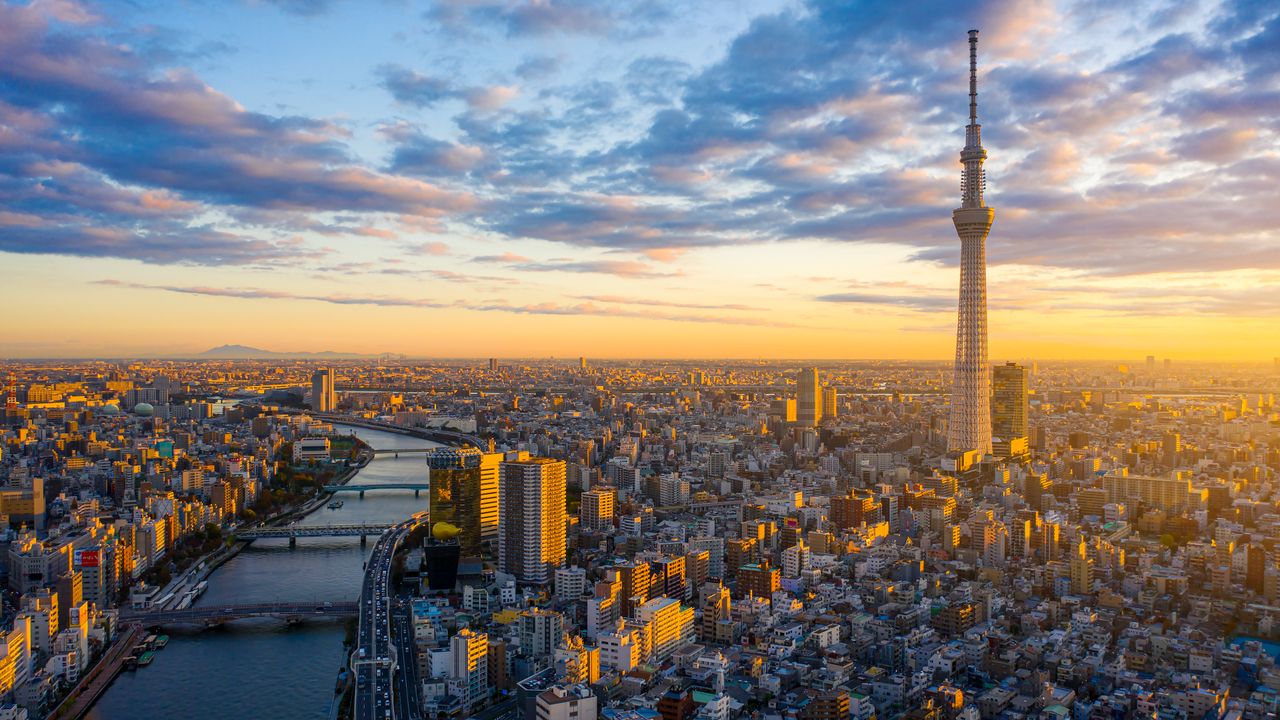
Tokyo at sunrise
© pongnathee kluaythong/Getty Image
Counting us all in. World Population Day
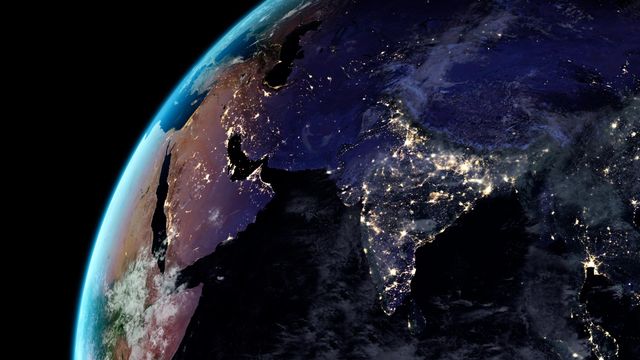
We are living in a full house, and it is getting fuller. With 8.2 billion people and counting, World Population Day highlights how that growth affects cities, food, and the future. First observed in 1989, the day focuses on how unchecked population growth affects sustainability. The event was inspired by Five Billion Day in 1987, which marked the approximate date when the global population hit that milestone. As cities expand, green spaces shrink, and agriculture competes for limited land and water resources. But there is a way forward—investing in education, improving access to healthcare, and building smarter cities can balance growth with sustainability.
On a global scale, India remains the most populous country in 2025 with over 1.46 billion people, followed by China at 1.41 billion. The United States trails with around 339 million, though its growth is slowing and aging populations are becoming a new challenge. Tokyo, the world's largest city with around 37.2 million people, illustrates the realities of high-density urban life: overcrowded spaces, transport congestion, and rising demand for services. World Population Day is more than a head count—it's a call for better planning and long-term thinking to ensure future generations can thrive on a planet with finite resources.
Related Images
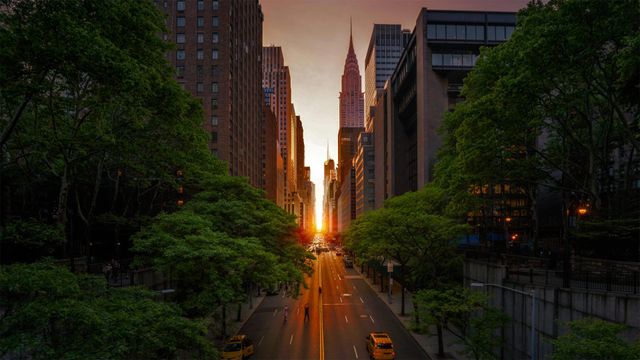 42nd Street with the Chrysler Building during Manhattanhenge in 2018, New York City
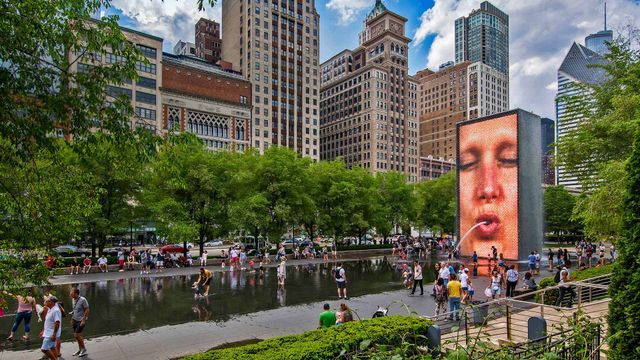 Crown Fountain by Catalan artist Jaume Plensa, Millennium Park, Chicago
 Montreux and Lake Geneva in Switzerland
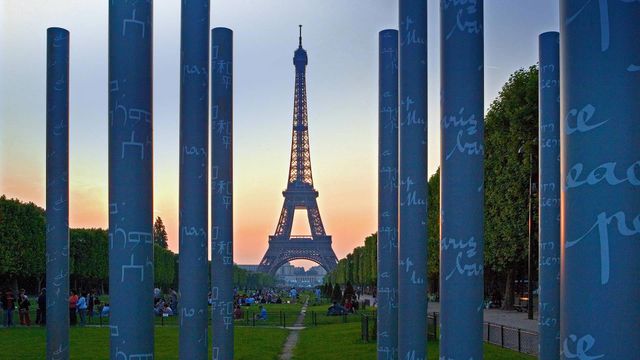 'The Wall for Peace' and the Eiffel Tower in Paris for the International Day of Peace
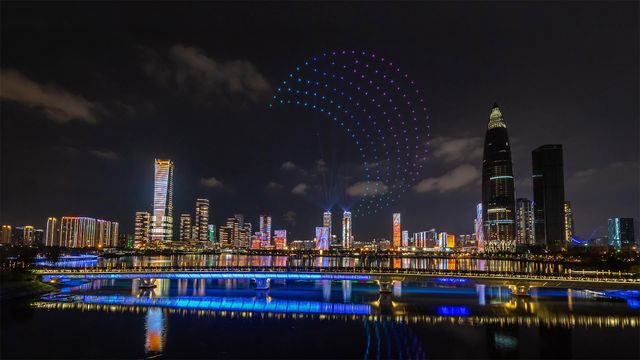 Drones light up the sky over Shenzhen, China
 Fireworks during La Mercè Festival in Barcelona, Spain
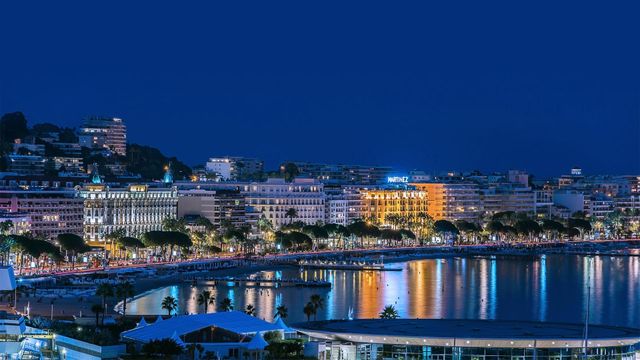 Cannes, France, where the annual film festival begins today
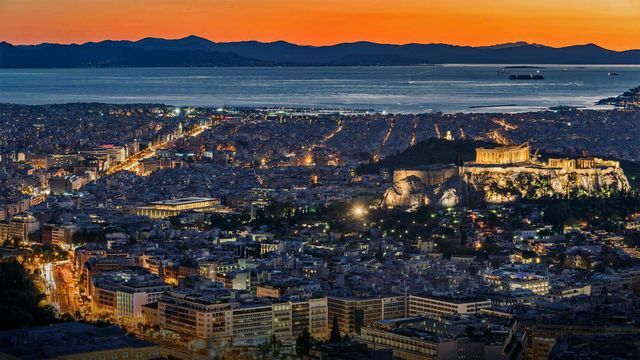 Athens for Greek Independence Day
Bing Today Images