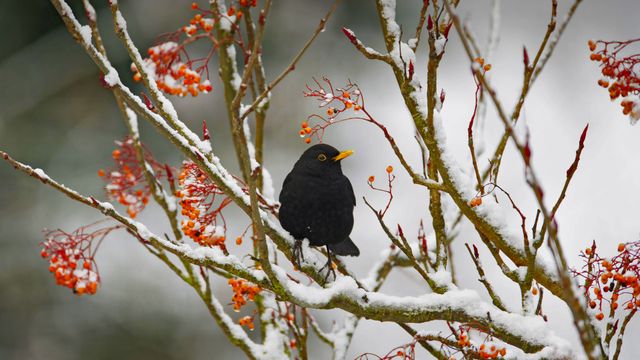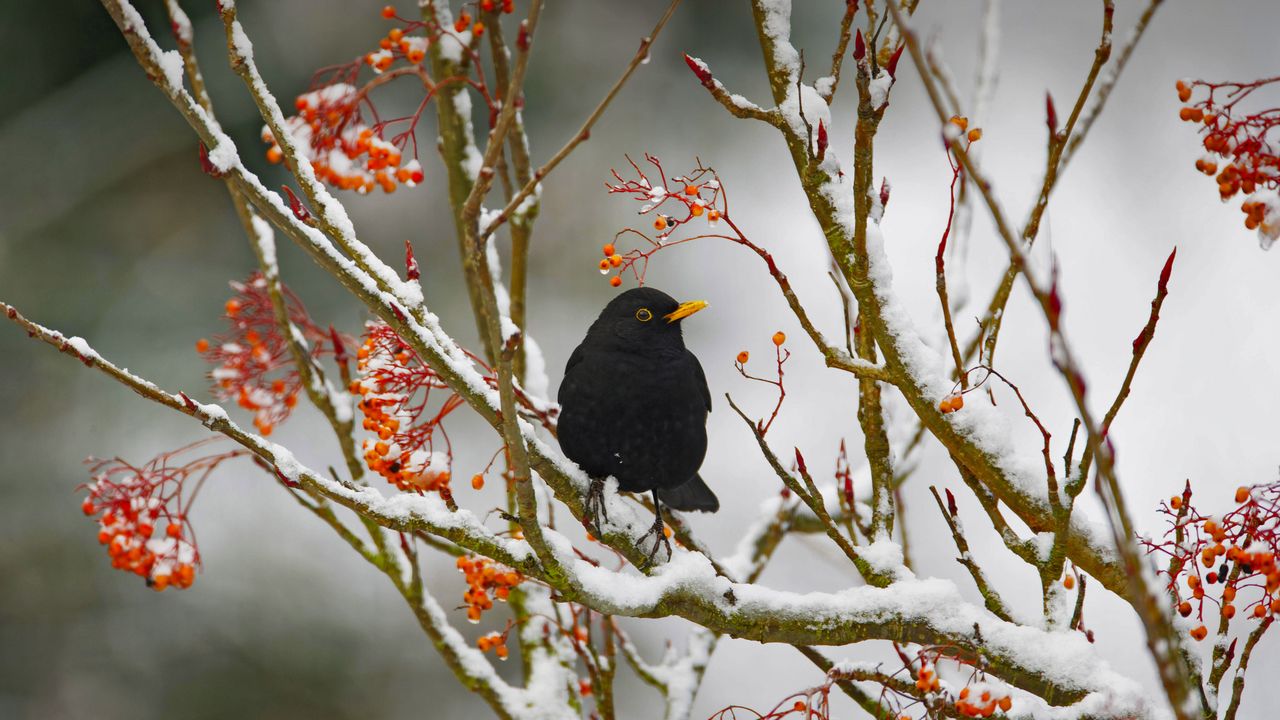
Blackbird in Essex, England
© Bill Coster/Alam
Why are blackbirds tied to winter?. Blackbird in Essex, United Kingdom
The end of January in the Northern Hemisphere can be quite cold, as it is near the midpoint of winter. According to Italian folklore, the last three days of January are the coldest of the year and are referred to as the 'days of the blackbird.' One local legend gives a fun take on how blackbirds got their dark feathers: To protect her young chicks from the cold Northern Italian winter, a mother bird with white feathers built her nest in a chimney. After her once-white chicks emerged, their feathers had turned black from the chimney's soot, and from that day on, all such birds were born as 'blackbirds.'
Related Images
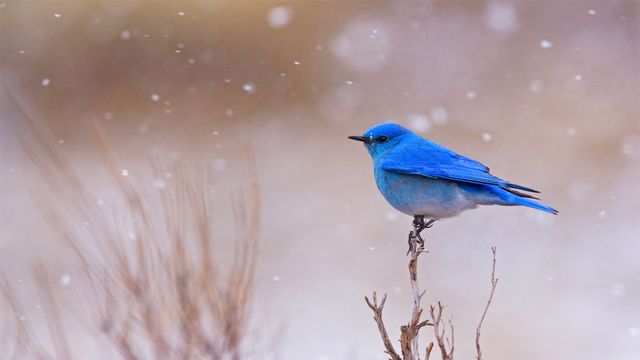 Male mountain bluebird in Yellowstone National Park, Wyoming
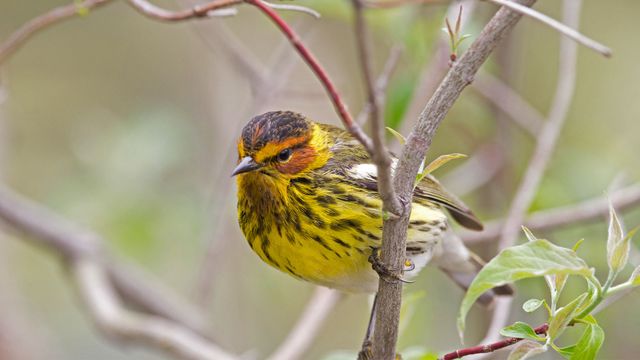 Male Cape May warbler in spring
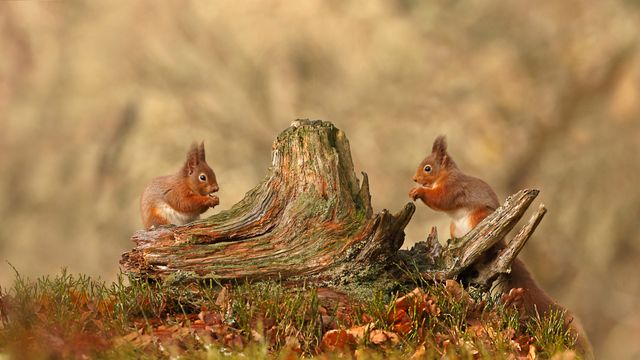 Red squirrels in Cairngorms National Park, Highlands, Scotland
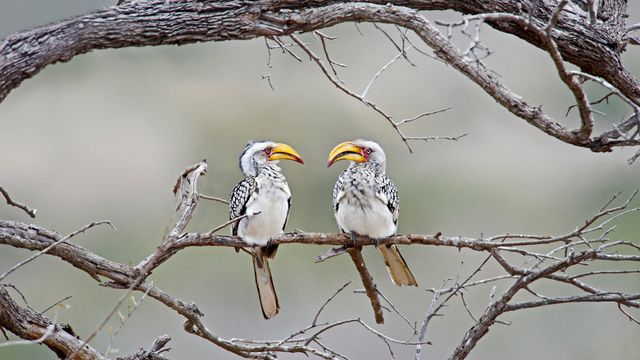 Southern yellow-billed hornbills in Kruger National Park, South Africa
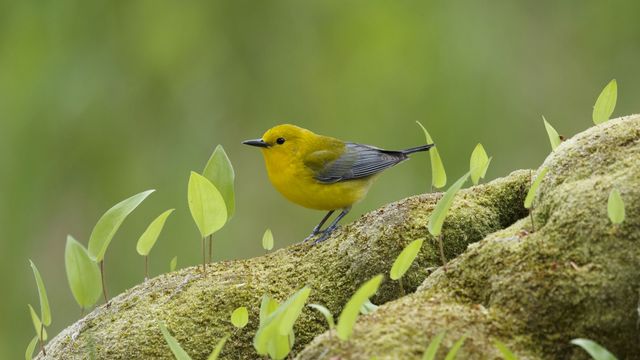 Prothonotary Warbler (protonotaria citrea) in Ontario
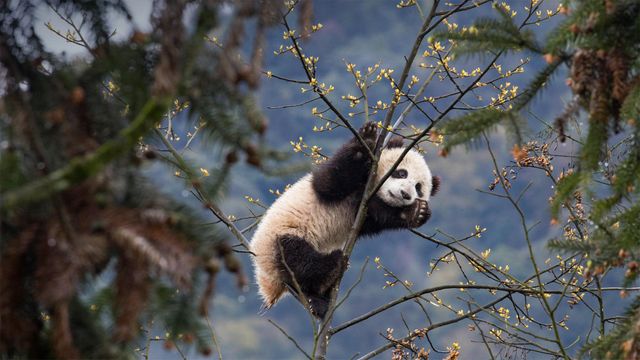 Giant panda cub in Bifengxia Panda Base, Sichuan, China
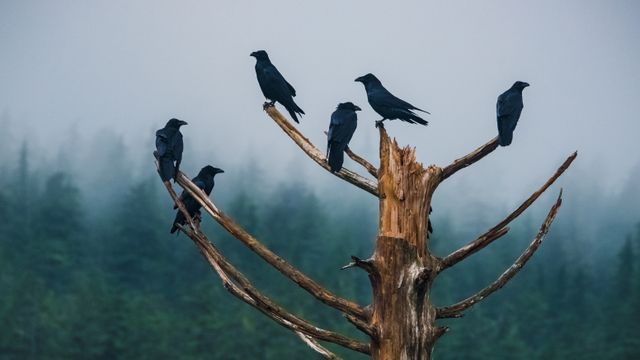 An unkindness of ravens in Juneau, Alaska
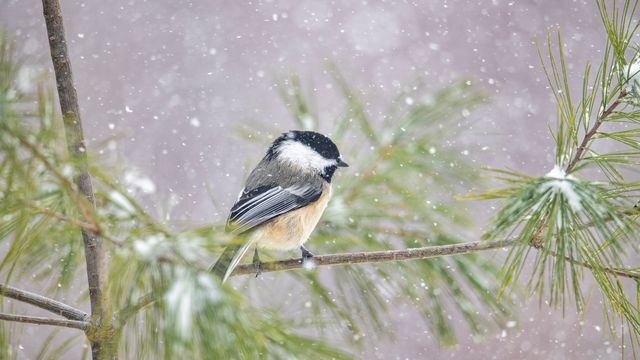 Black-capped Chickadee (Poecile atricapillus) in snowfall, Nova Scotia
Bing Today Images


Dragon dance, Wuhan, China
Jan 29, 2025
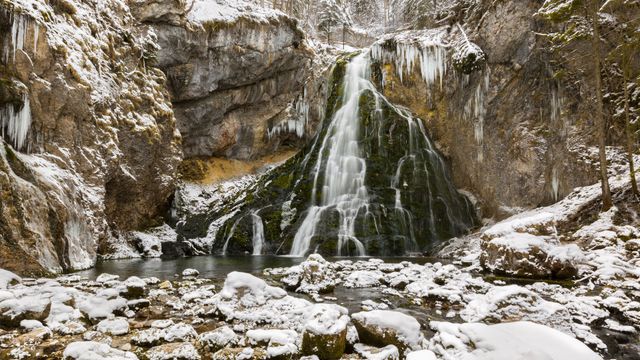
Gollinger Waterfalls, Tennengau, Salzburg, Austria
Jan 29, 2024


Semuc Champey nature park in Guatemala
Jan 29, 2020
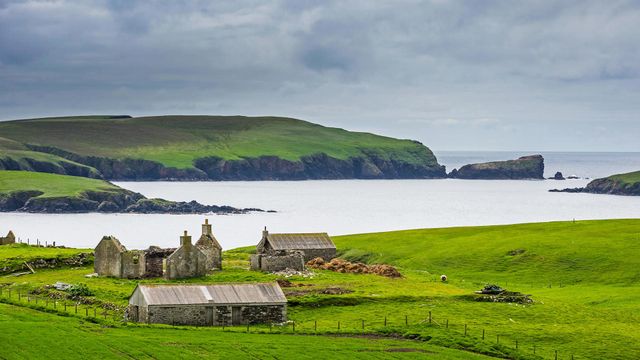
An old farm in the Shetland Islands, Scotland
Jan 29, 2019

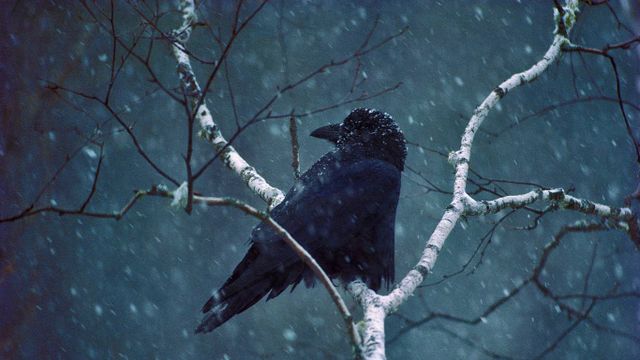
A common raven
Jan 29, 2016