The Earth
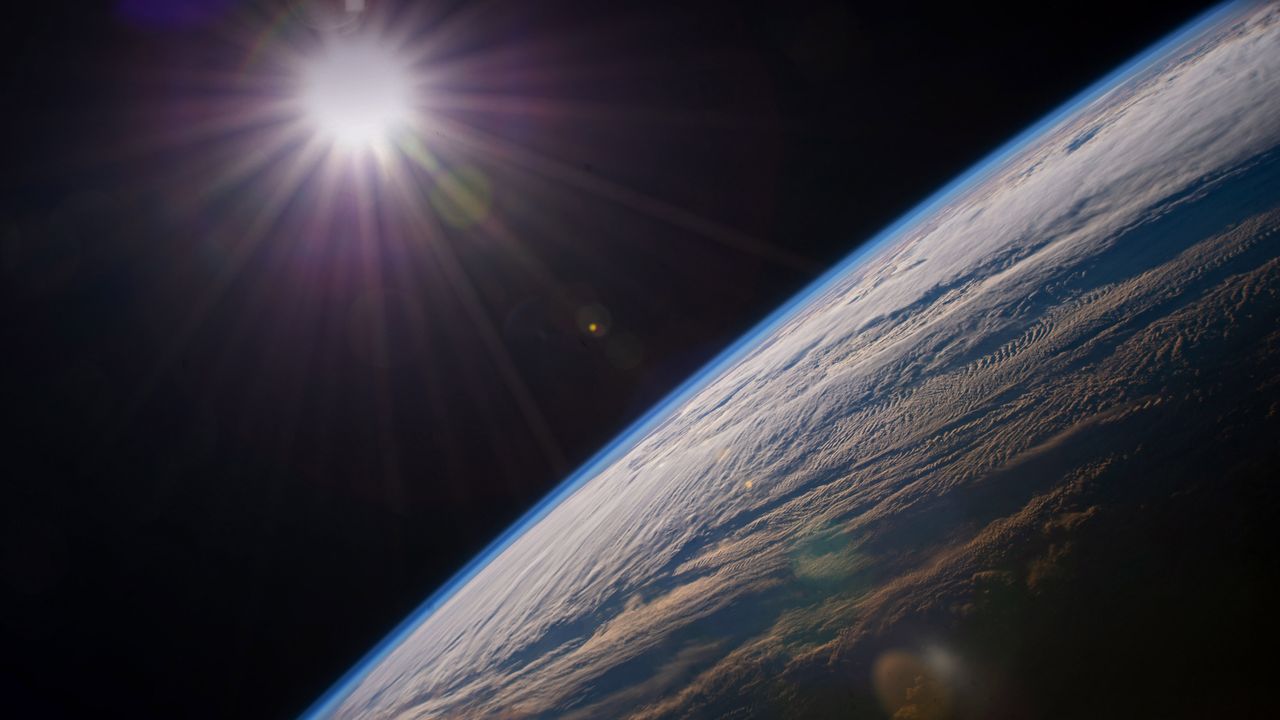
© JSC/NAS
The Earth
In an elliptical orbit like Earth's, there are two terms to describe the nearest and farthest you can be from the Sun — perihelion and aphelion, respectively. Perihelion typically occurs around this time of year, while aphelion usually occurs in early July. Even though we're closer to the Sun now, we're only receiving about 7% more solar energy than normal, which doesn’t really have much impact on the weather.
The distance between the Earth and Moon varies, but scientists calculate the lunar distance as 384,400 kilometres. The Moon also drifts away from Earth at a rate of 3.8 centimetres per year, and scientists believe that a lunar orbit will eventually take 47 days.
Related Images
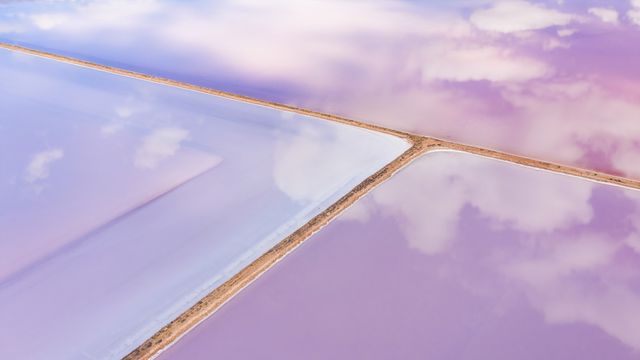 Aerial of pink salt lake in Lochiel, South Australia
 An aerial view of Daxing International Airport in Beijing
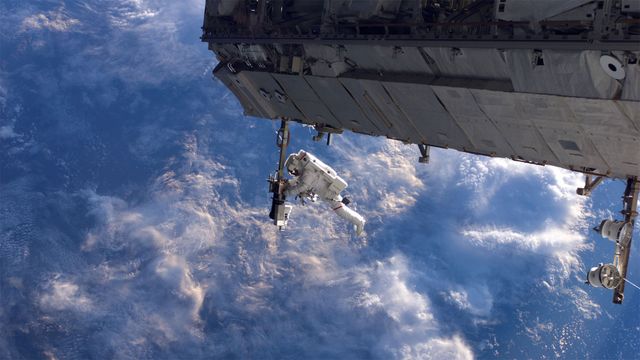 NASA astronaut works on the International Space Station during a spacewalk in 2006
Bing Today Images



Golden Gate Bridge, San Francisco, California
Jan 04, 2024

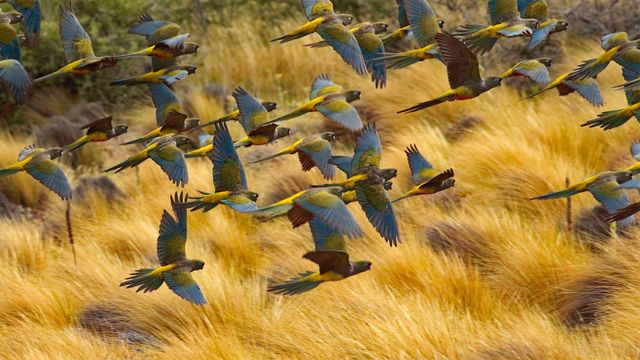
Burrowing parrots in Las Lajas, Argentina
Jan 04, 2020


Bohemian waxwings in Kuusamo, Finland
Jan 04, 2018

A red-winged blackbird in Minneapolis, Minnesota
Jan 04, 2016