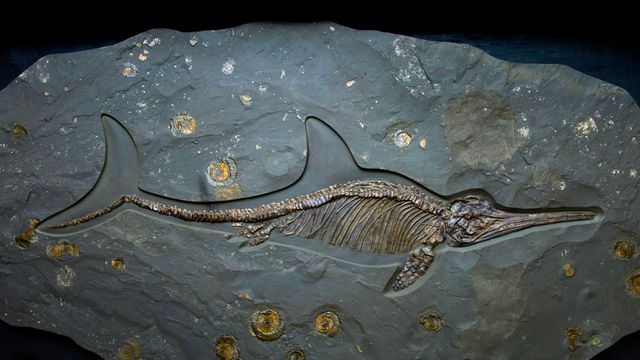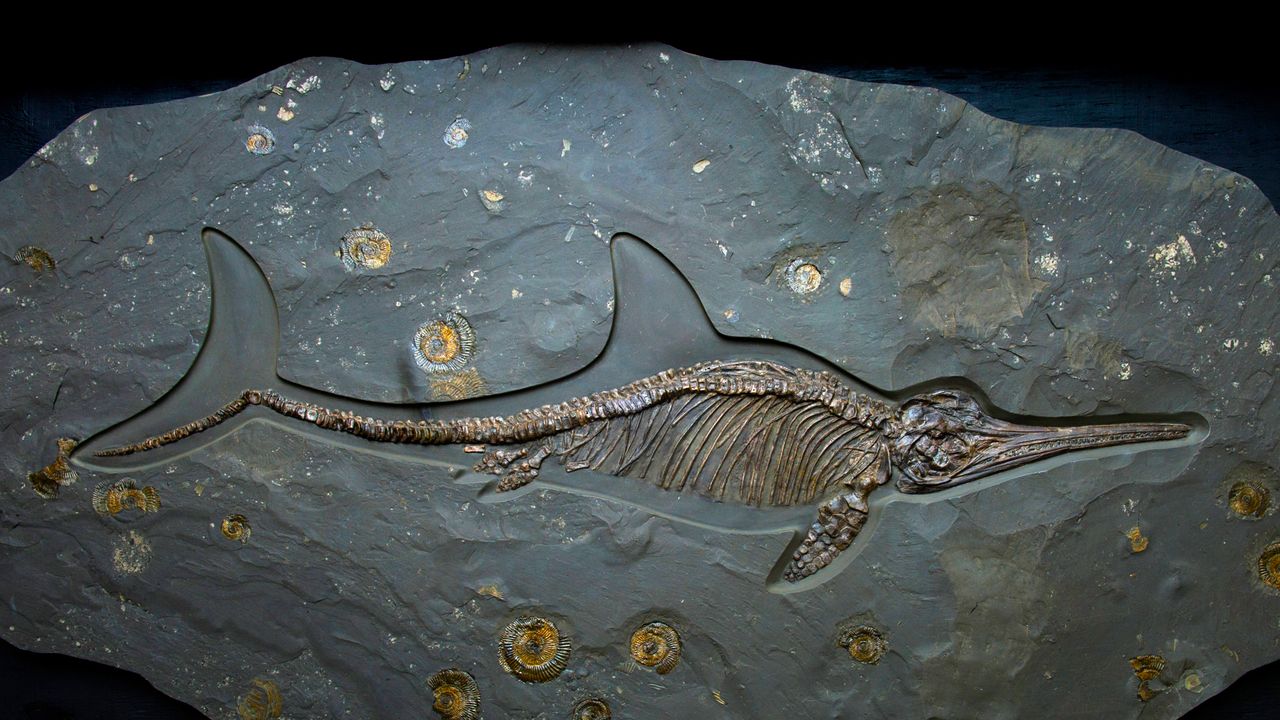
An ichthyosaur fossil of the Jurassic period, Dinosaurland Fossil Museum, Lyme Regis, Dorset, England
© Alam
Celebrating a young girl's age-old discovery
When 12-year-old Mary Anning uncovered the complete skeleton of a fish-like creature near her home on England's southern coast in 1811, extinction was a shaky idea in science. Fossils were nothing new—everything dies and leaves remains, after all. But could an entire species really die off? Were more of these 17-foot sea monsters lurking in the depths of the English Channel?
The fact that ichthyosaurs like this went extinct 90 million years ago seems obvious today (which, by the way, is National Fossil Day). But though such definite answers were still only suspicions during Mary Anning's lifetime, she persisted with paleontology. Her prolific fossil discoveries fueled both public interest and scientific understanding. Anning later discovered the plesiosaur at age 24 and the first-known pterodactyl skeleton found outside Germany at 27. Though she died young at 47, largely denied recognition as a woman in Victorian society, her influence endures like the fossils that fascinated her.
Related Images
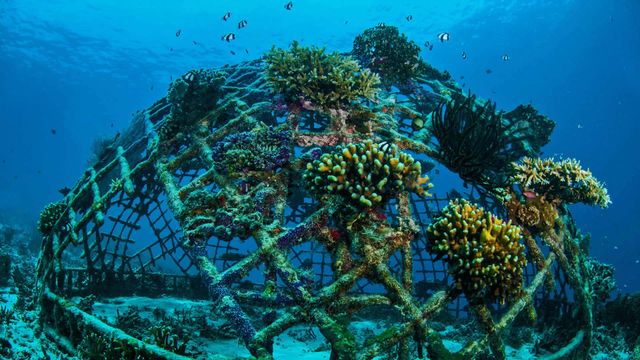 Biorock artificial reef off the Gili Islands, Indonesia
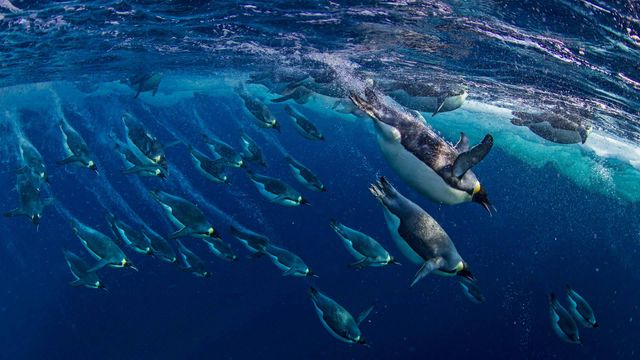 Emperor penguins in the Ross Sea, Antarctica
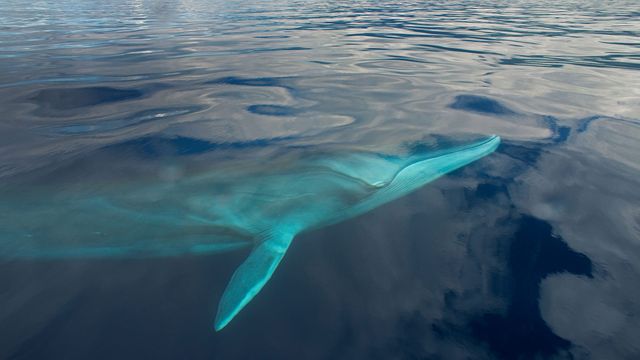 A fin whale in the waters off the Azores
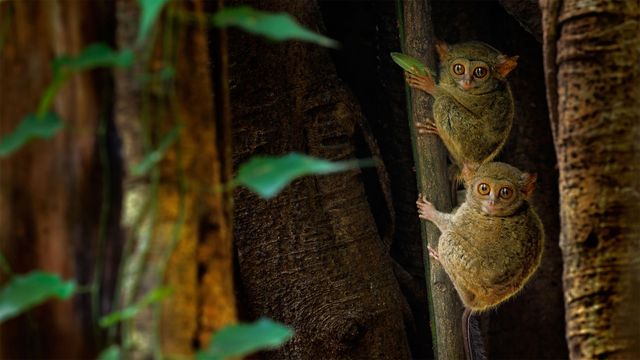 Spectral tarsiers in a ficus tree in Tangkoko Batuangus Nature Reserve, Indonesia
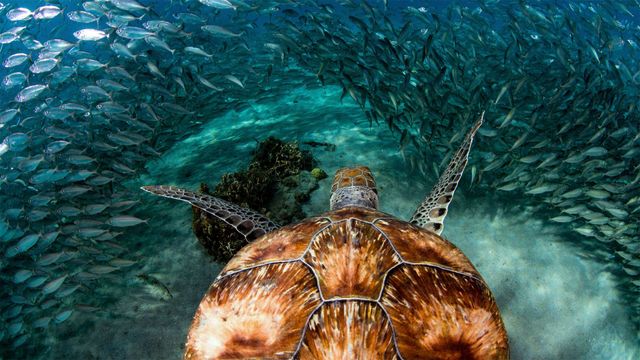 Green sea turtle with sardines near Playa Grandi, Curaçao
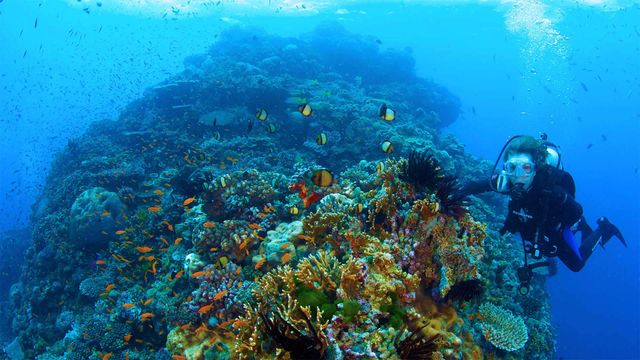 Dr. Sylvia Earle explores Australia's Great Barrier Reef in a scene from 'Mission Blue'
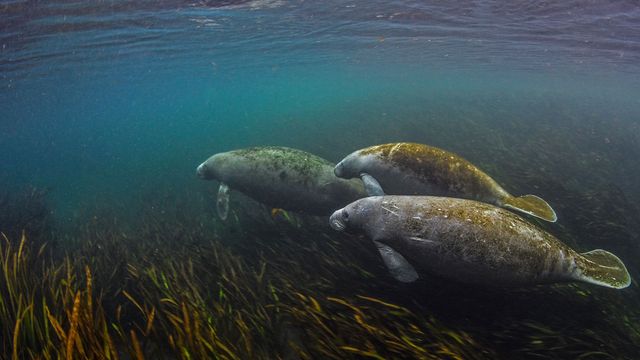 Manatees in the Ichetucknee River in Florida
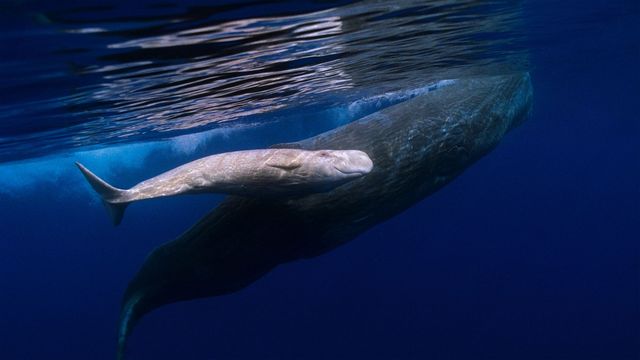 Sperm whale mother and albino baby swimming off the coast of Portugal
Bing Today Images