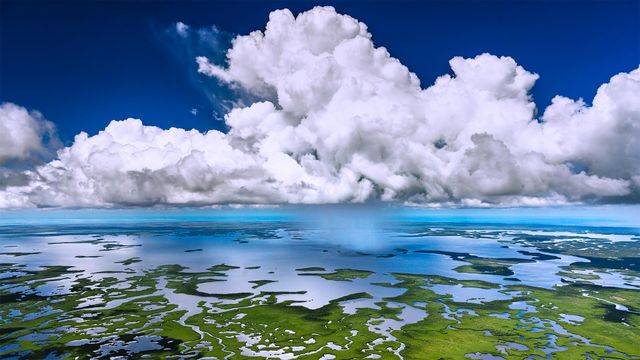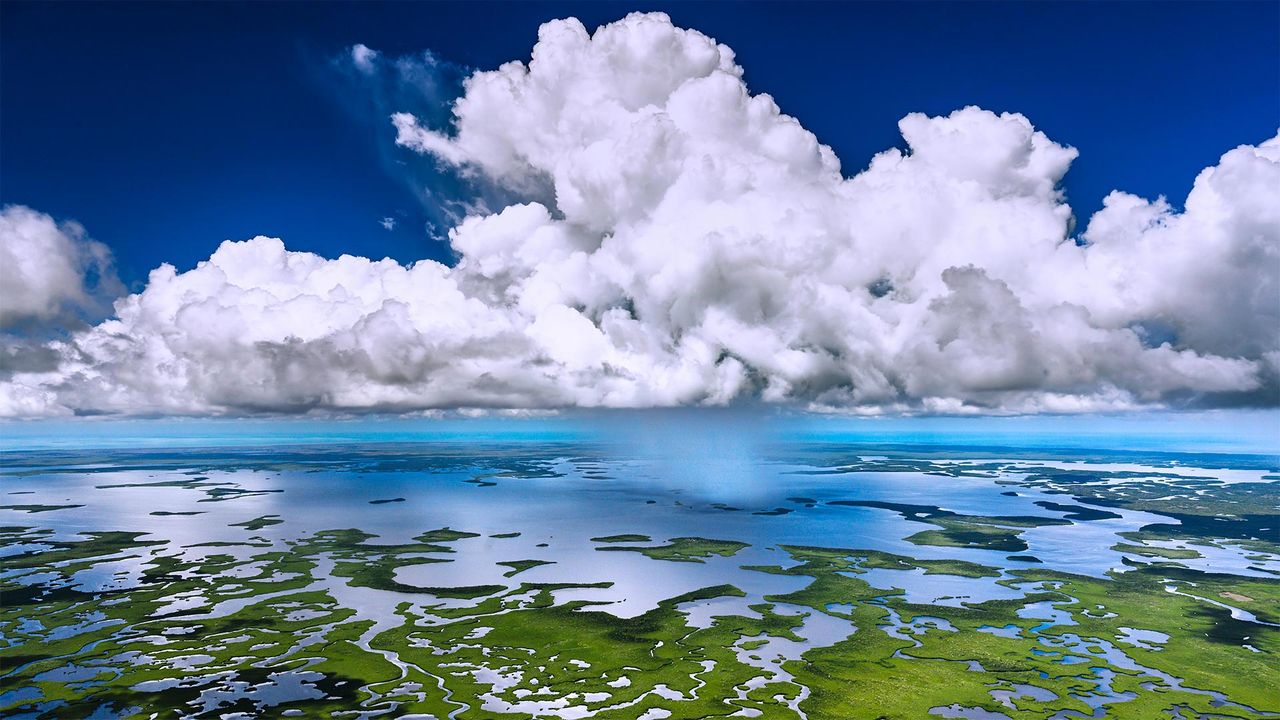
Aerial view of Everglades National Park, Florida
© Tetra Images/Getty Image
Clouds over the 'River of Grass'
It's the beginning of the wet season in the Everglades, where it's typically hot and humid from May through November. Afternoon thunderstorms are common, bringing heavy rainfalls that subside quickly. The largest subtropical wilderness in the U.S., the Florida Everglades is essentially a slow-moving river, 95 kilometres wide and over 160 kilometres long. The water flows during the wet season from Lake Okeechobee southward across a limestone shelf to the southern tip of the Florida Peninsula. The complex ecosystem here is not found anywhere else on the planet.
Nicknamed the 'River of Grass' by conservationist Marjory Stoneman Douglas, the Everglades are full of sawgrass marshes, cypress swamps, and mangrove forests. In the early 20th century, water flow from Lake Okeechobee was increasingly diverted to support the development of South Florida, and it became clear that the Everglades were quickly vanishing. To help protect the fragile ecosystem, Everglades National Park was established in 1934, preserving about 20 per cent of the original wetlands. While rising water levels can make it challenging to spot wildlife during the wet season, it's a critical season for the birds, crocodiles, manatees, and many more beautiful creatures that call the 'River of Grass' home.
Related Images
 Mount Rainier National Park in Washington state
 For Waitangi Day, the Pancake Rocks on New Zealand’s South Island
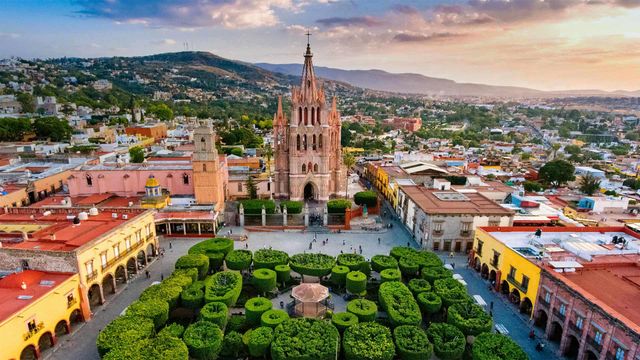 San Miguel de Allende, Mexico
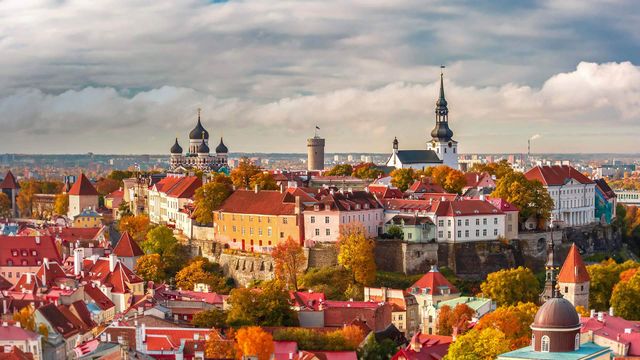 Old town of Tallinn, Estonia
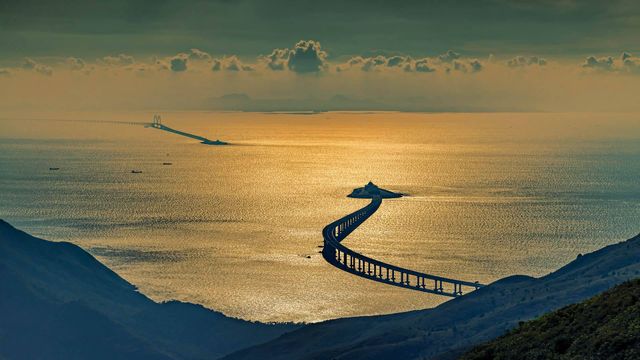 Hong Kong-Zhuhai-Macau Bridge, China
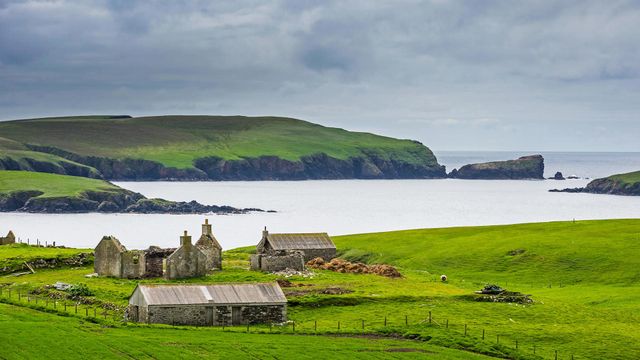 An old farm in the Shetland Islands, Scotland
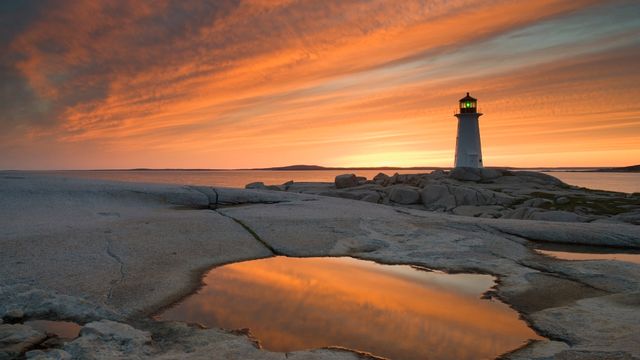 Peggy's Cove Lighthouse at dusk, Nova Scotia
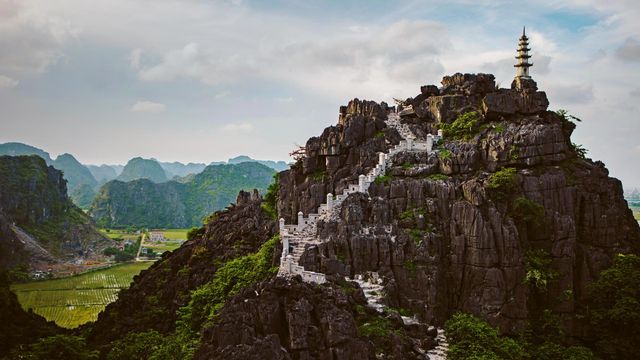 Mua Caves in the Ninh Bình province of Vietnam
Bing Today Images