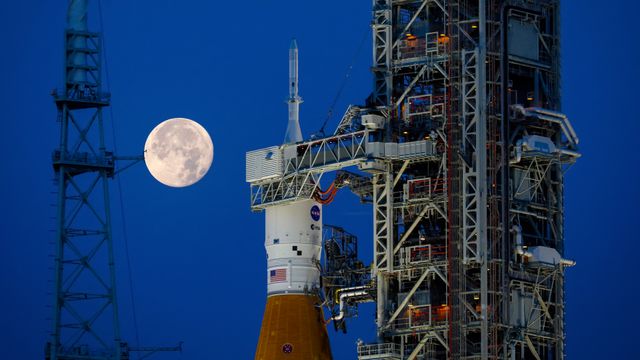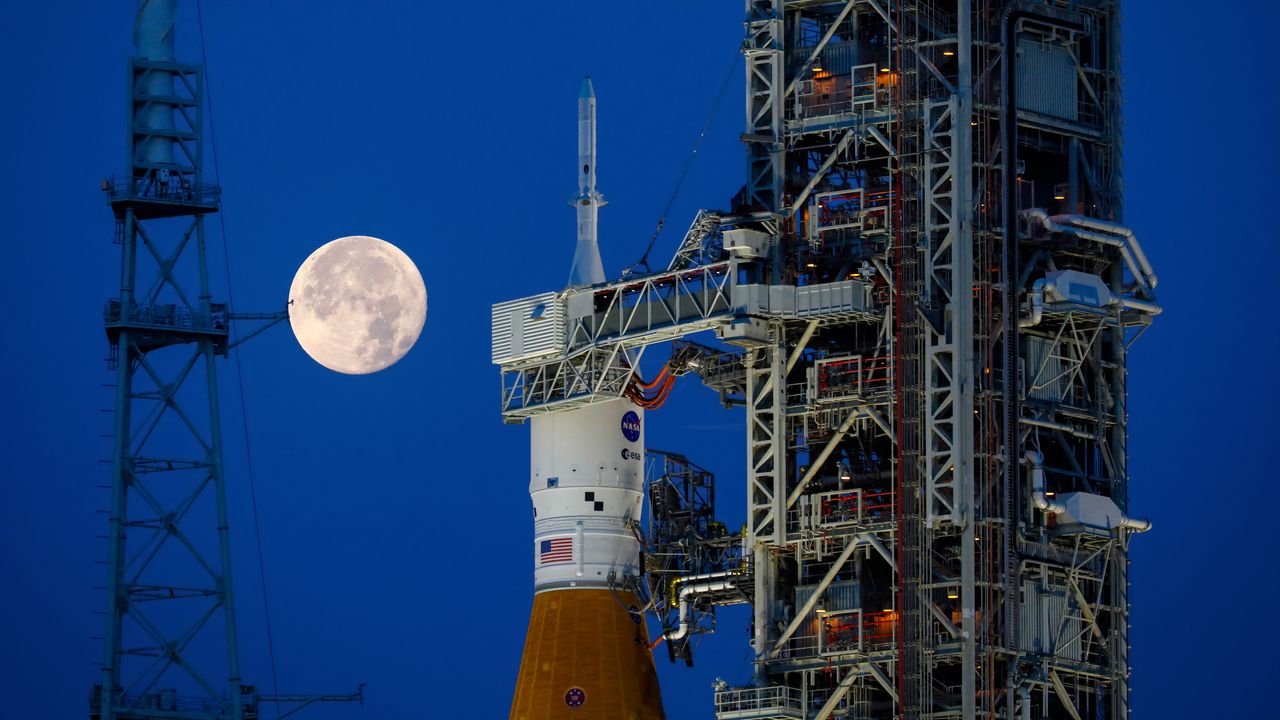
Artemis I moon rocket at Launch Complex 39B, Kennedy Space Center, Florida, June 15, 2022
© EVA MARIE UZCATEGUI/Getty Image
The universe is calling. World Space Week begins
First, you build a rocket. Then you ask it to leave Earth, fly to the moon, survive the trip, and bring its spacecraft home. Simple, right? Well, not quite. World Space Week, observed every October 4–10, celebrates the science that makes missions like this possible. The United Nations established the observance in 1999 to commemorate Sputnik 1's launch on October 4, 1957, and the entry into force of the Outer Space Treaty on October 10, 1967. This year's theme, 'Rocket Revolution,' focuses on the evolving technology driving space exploration.
Seen in today's image, Artemis I put plenty of that technology to work. On November 16, 2022, NASA launched an uncrewed Orion spacecraft aboard the Space Launch System from Kennedy Space Center. Orion flew around the moon, covering about 1.4 million miles over 25.5 days. No astronauts climbed aboard this time. That was the point. Artemis I had one job: prove the system could make the journey before people took the next one.
Related Images
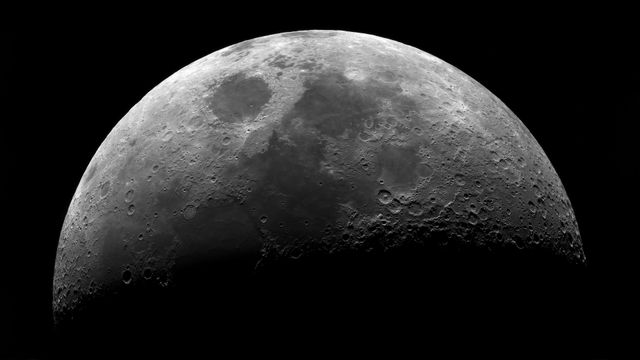 The moon's surface photographed through a telescope
 The Pillars of Creation viewed by the James Webb Space Telescope
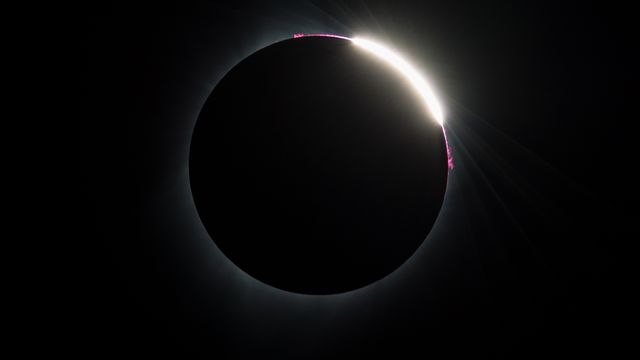 Total solar eclipse photographed from Madras, Oregon on August 21, 2017
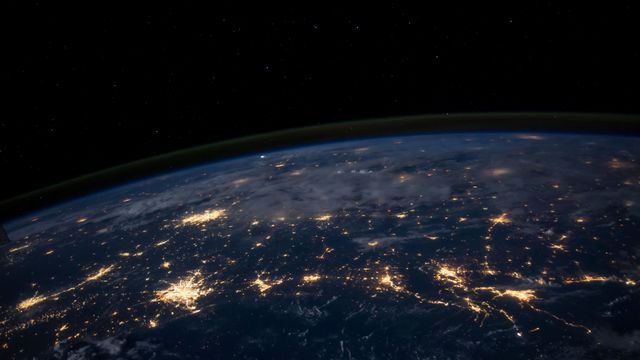 Nighttime view of the Gulf Coast states from 225 miles above Earth
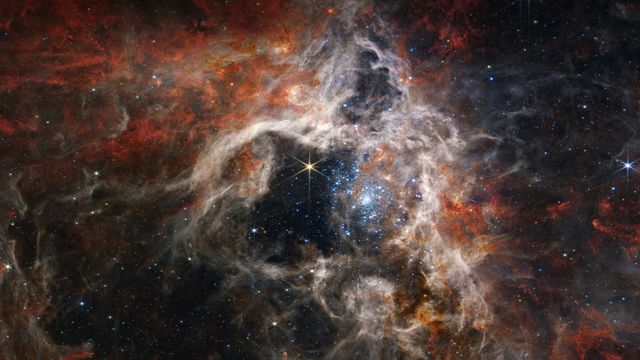 Young stars forming in the Tarantula Nebula, James Webb Space Telescope
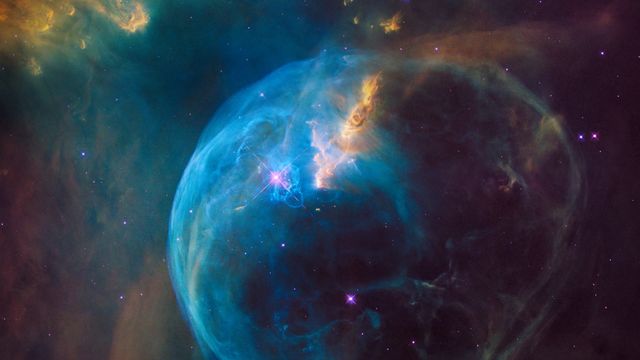 Bubble Nebula (NGC 7635)
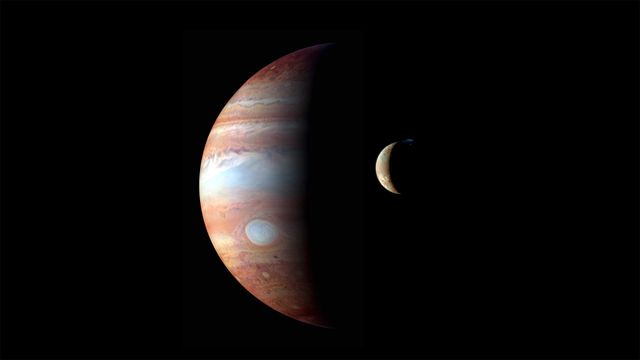 Montage of images of Jupiter and its volcanic moon Io
Bing Today Images