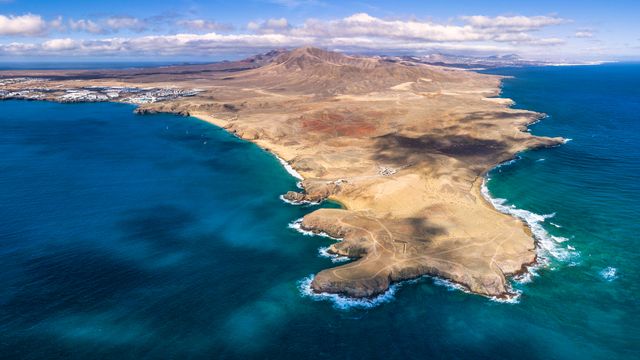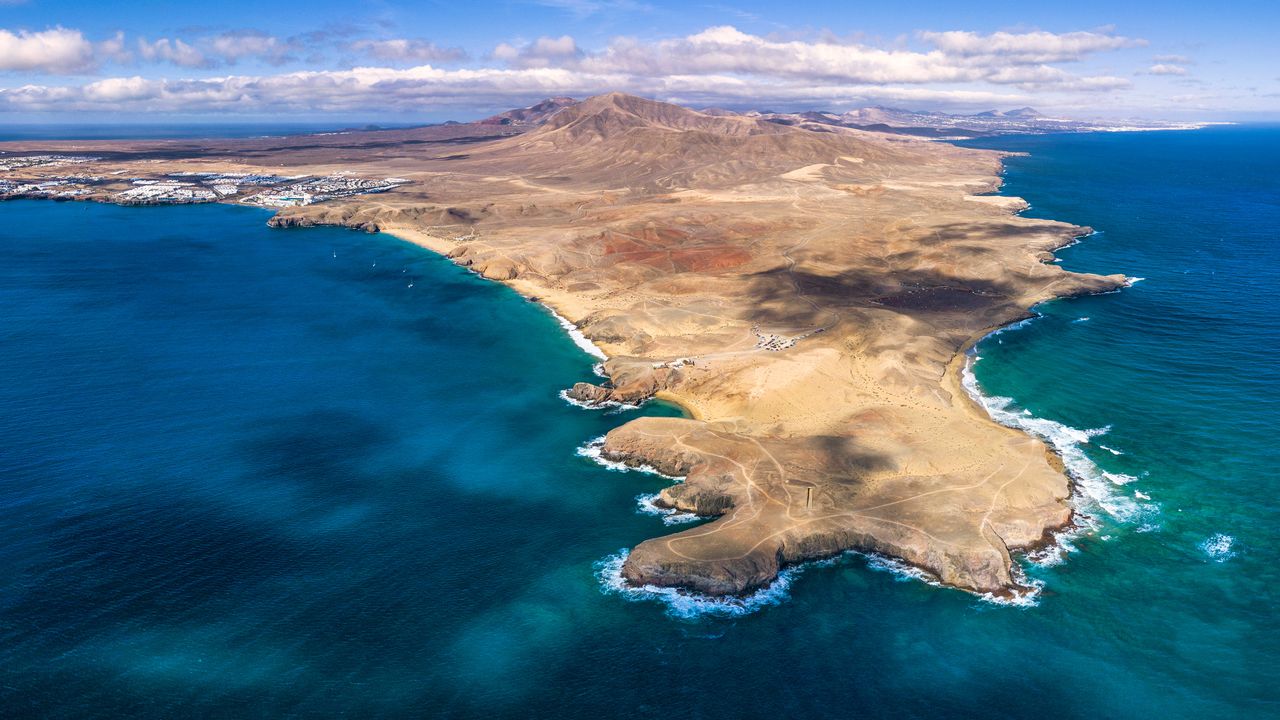
Papagayo Beach, Lanzarote, Canary Islands, Spain
© Gavin Hellier/Getty Image
Volcanic veneer. Papagayo Beach, Lanzarote, Canary Islands, Spain
A beach born from fire rarely does so subtly, yet Papagayo Beach manages exactly that. The shoreline we see today rests on the southern edge of Lanzarote, one of Spain's Canary Islands. Tropical fantasy? More like volcanic precision. Millions of years ago, this land rose in successive layers of basalt and ash thrust upward by submarine eruptions.
About 400 feet long, the cove feels intimate. Nestled within Los Ajaches Natural Monument, it remains protected and deliberately low-key. Once, it sheltered sailors navigating between Africa and Europe. Today, it is reached by foot, boat, or a famously bumpy dirt road—preservation by inconvenience. Cliffs arc around the bay, forming natural breakwaters that temper the Atlantic into calm, clear shallows. Fish flicker through the light, crabs patrol the tidal edges, and octopuses vanish into stone. The sand's warm, golden tone? Pulverized shells mixed with volcanic rock, refined by millennia of tides. Papagayo's power lies in its contrasts: forged by eruption, shaped by erosion, and preserved by restraint.
Related Images
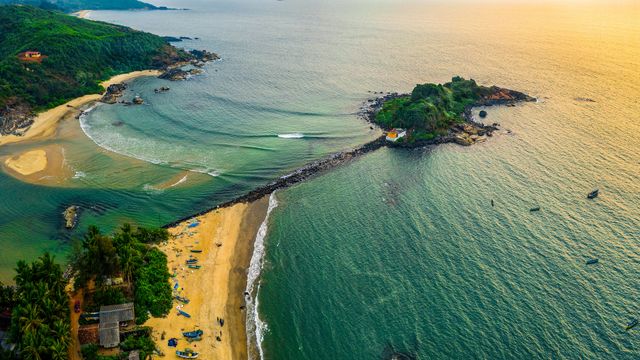 Gabit Keni Beach near Ankola, Karnataka, India
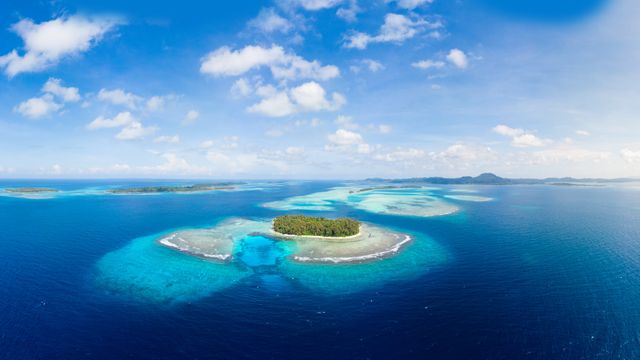 Banyak Islands, Sumatra, Indonesia
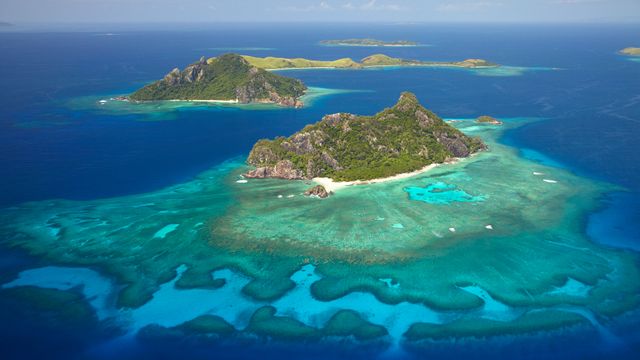 Coral reef surrounding the island of Monuriki, Mamanuca Islands, Fiji
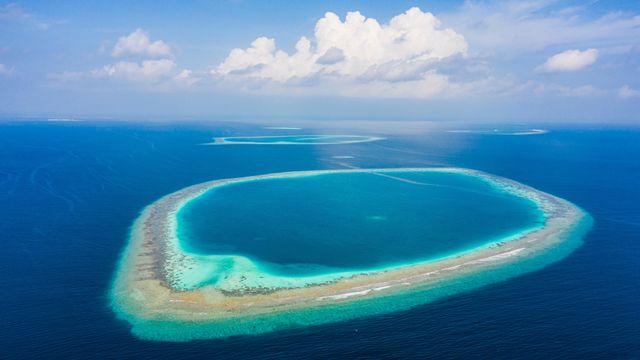 Atolls in Indian Ocean, Maldives
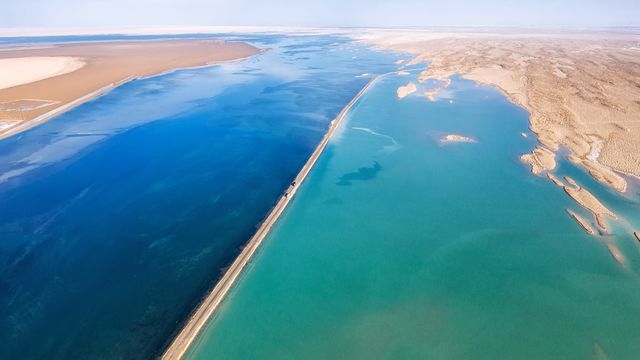 Highway through Xitai Jinaier Lake, Qinghai Province, China
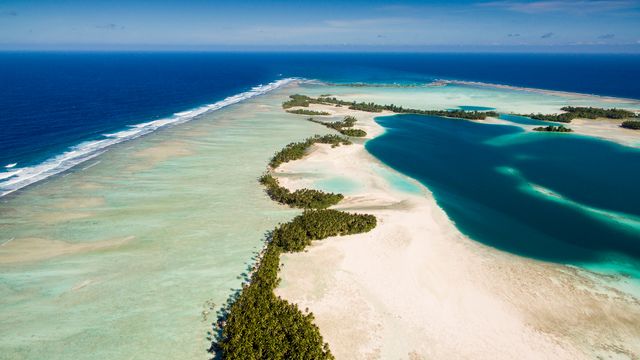 Palmyra Atoll National Wildlife Refuge, Central Pacific Ocean
Bing Today Images