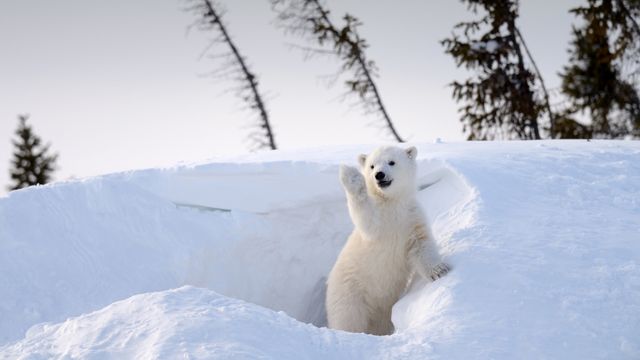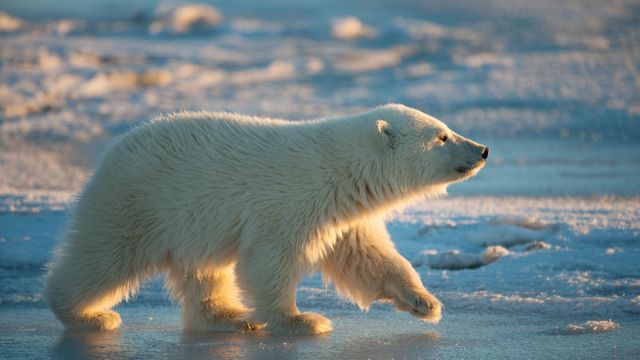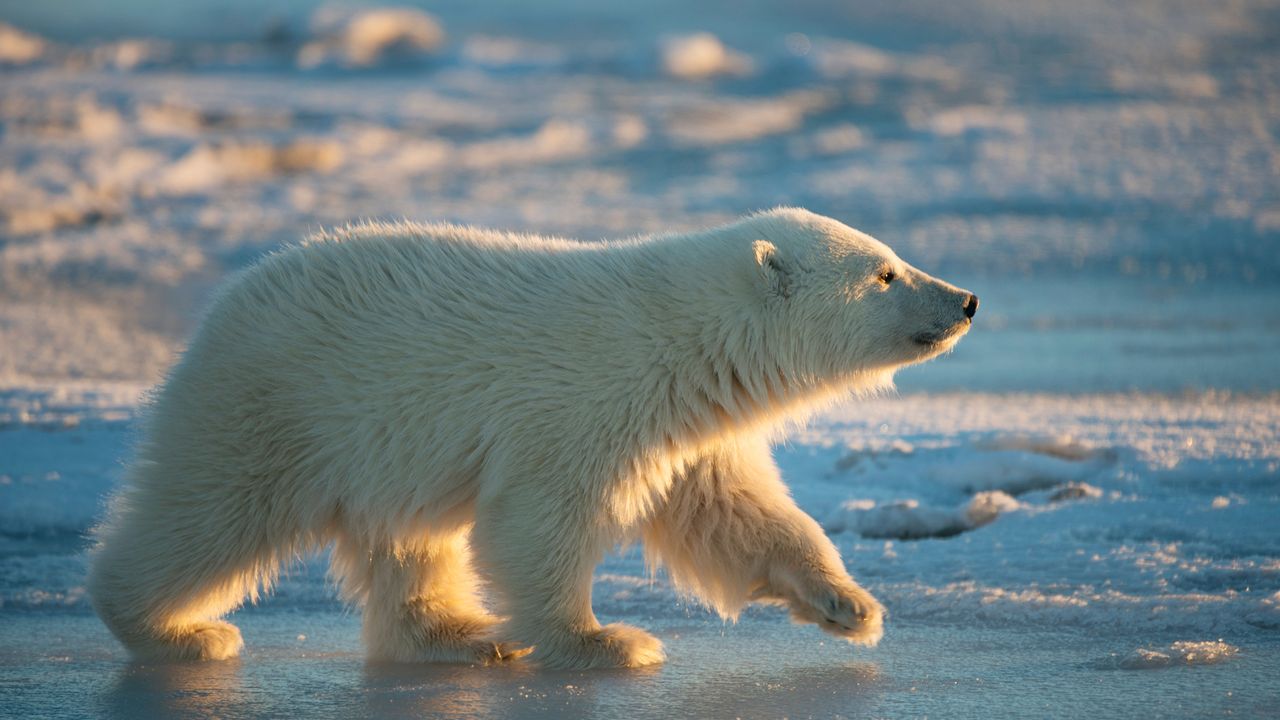
Polar bear cub walking across pack ice, Arctic National Wildlife Refuge, Alaska, United States
© Steven Kazlowski/naturepl.co
Life on thinning ice. International Polar Bear Day
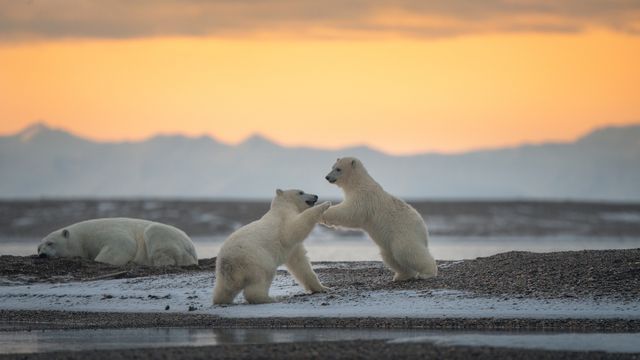
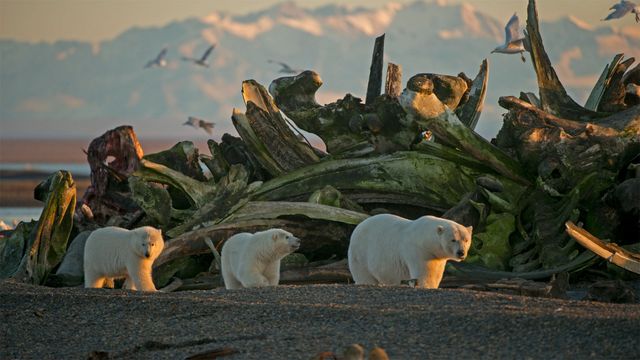
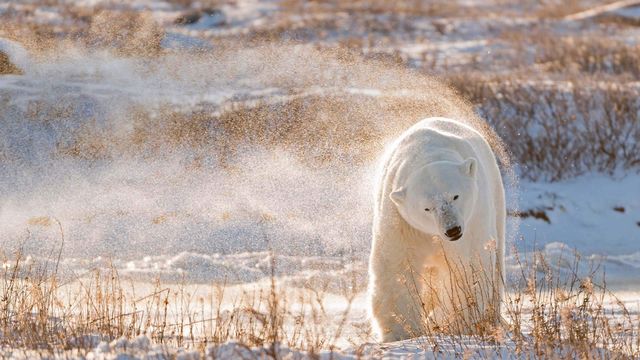
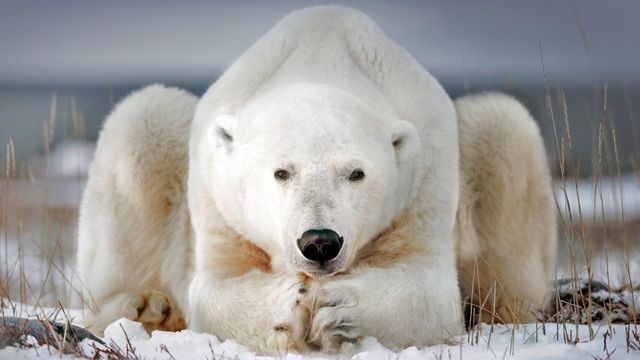
International Polar Bear Day underscores how closely these Arctic giants are tied to their frozen realms. Celebrated on February 27, the day shines a light on polar bears and the rapidly changing world beneath their paws. The world's largest land carnivores roam across vast icy landscapes, sometimes covering hundreds of kilometres in search of food. They're perfectly adapted to life on sea ice, with large paws that can span nearly a foot and help them swim for kilometres.
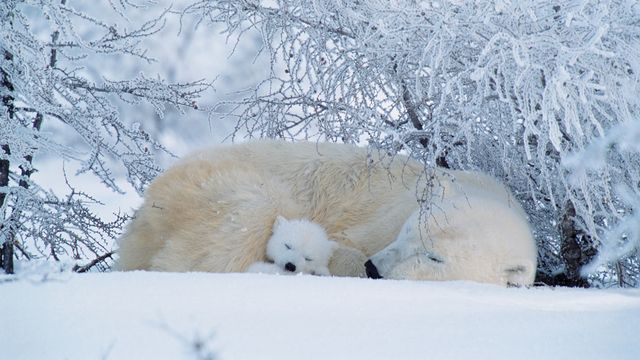
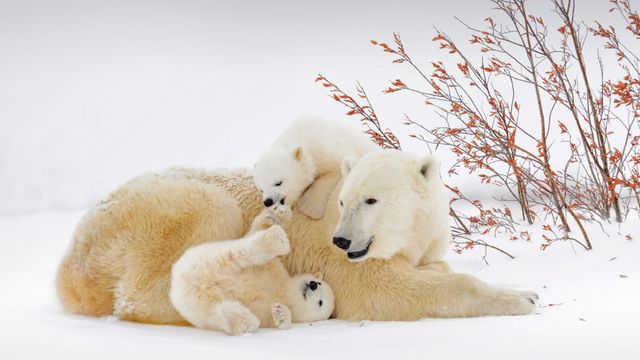
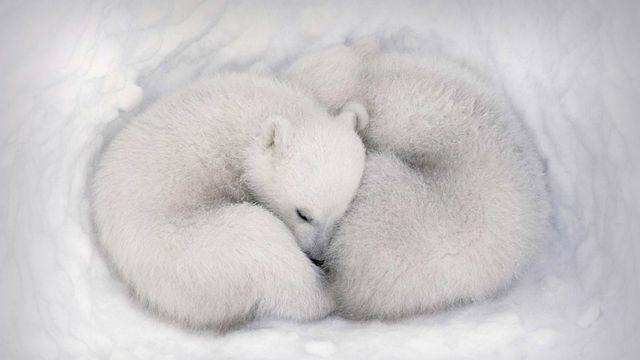
This time of year is especially important because it's when mothers and their newborn cubs stay tucked inside snow dens. These chambers, often dug into deep drifts, provide warmth and safety during the harsh Arctic winter. Cubs are tiny at birth—less than a kilogram—and rely completely on their mother for survival until they're strong enough to venture out in spring.
International Polar Bear Day reminds us that shrinking sea ice threatens this cycle. By reducing carbon emissions and supporting conservation efforts, we can help protect the vast Arctic habitats polar bears depend on. Every action counts toward their future.
Related Images
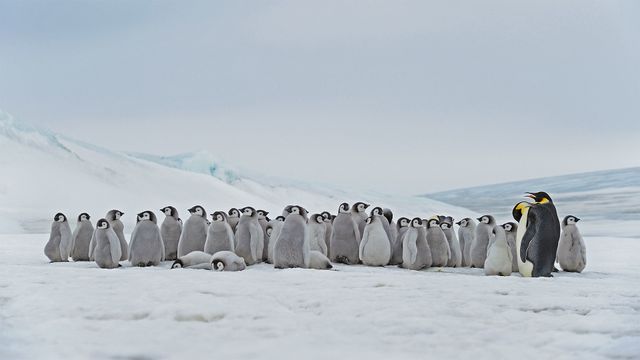 Emperor penguin adults and chicks at the Snow Hill Island rookery, Antarctica
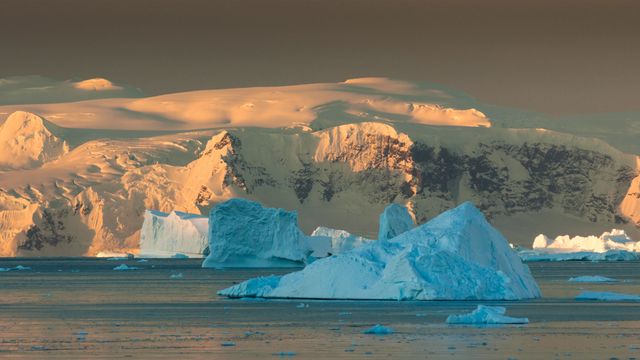 Icebergs, Antarctica
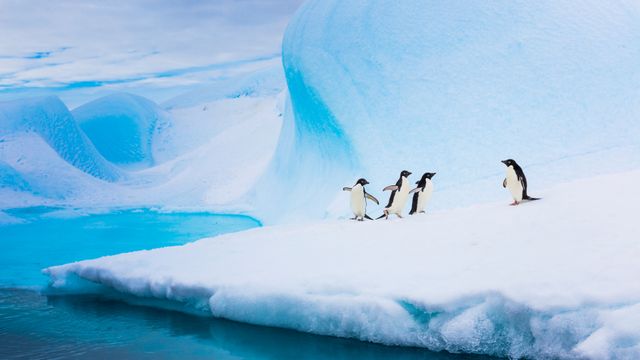 Adélie penguins on an iceberg, Antarctica
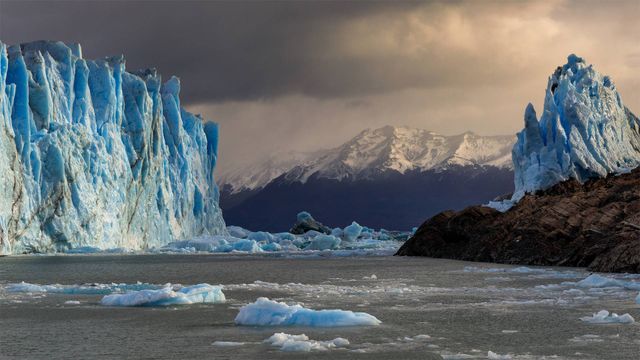 Perito Moreno Glacier in Patagonia's Los Glaciares National Park, Argentina
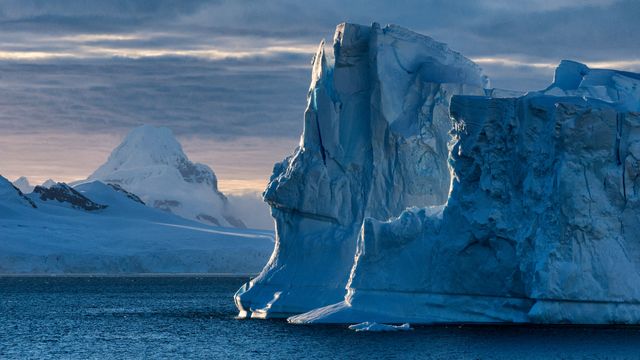 Blue icebergs near Cuverville Island, Antarctica
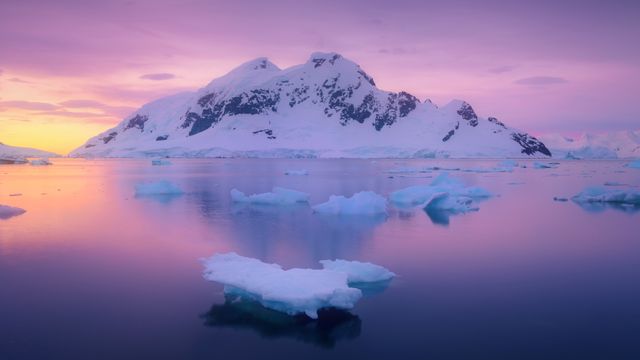 Paradise Harbour, Antarctica
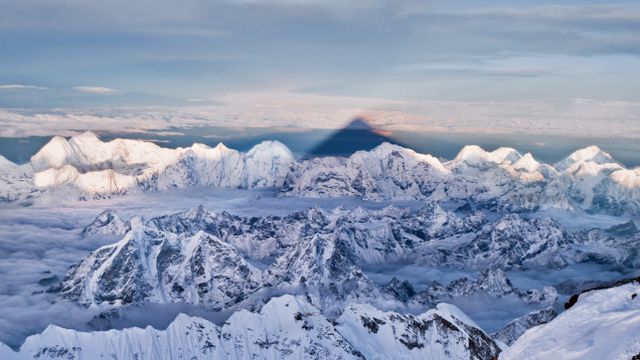 The shadow of Mount Everest over the western Himalayas in Nepal
Bing Today Images