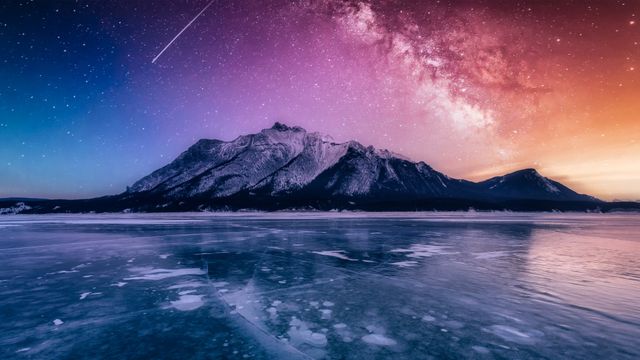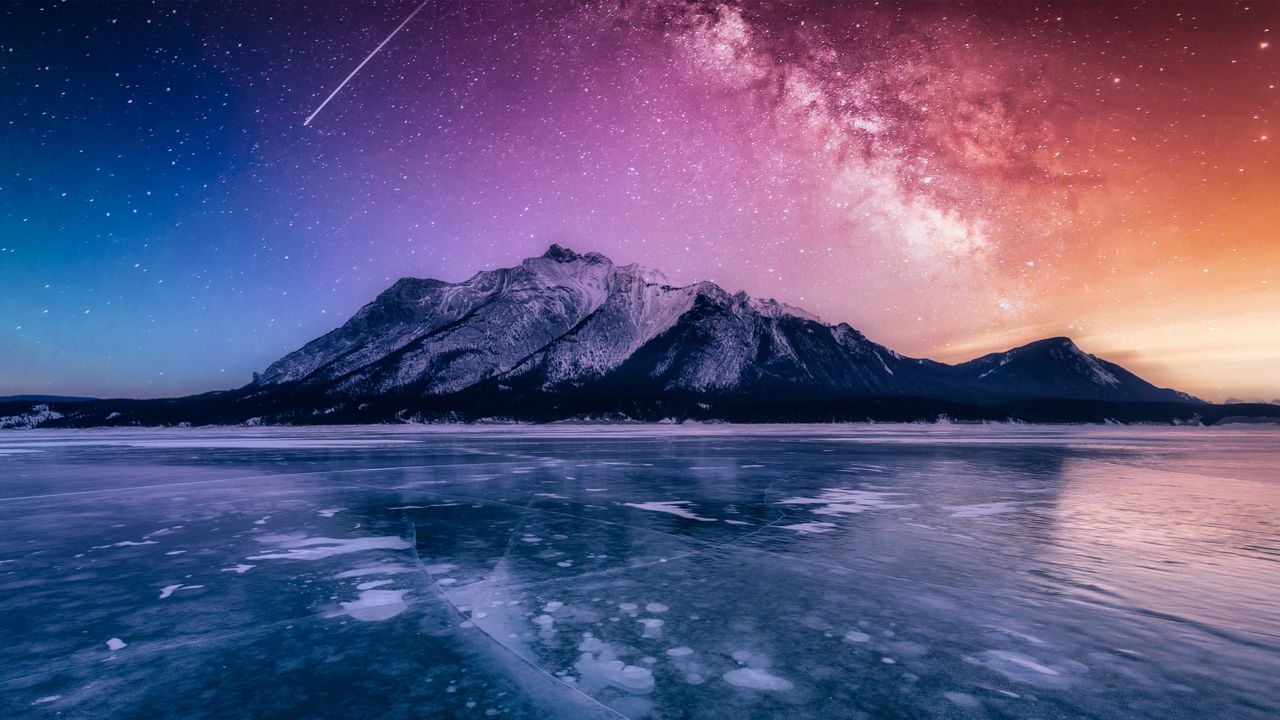
Frozen Abraham Lake, Alberta
© Luis F Arevalo/Getty Image
Nature's pop art. Abraham Lake, Alberta
The surface looks busy, but everything else is still. White bubbles stack under clear ice as if time stalled halfway through a reaction. Unusual? Yes. Mysterious? Only until you look closer. This is Abraham Lake, Alberta's largest reservoir, which was created in 1972. It is located in the 'Kootenay Plains area of the Canadian Rockies' front range,' where winter captures gas in mid-escape.
When the lake begins to freeze, chemistry takes over. During warmer months, plants at the bottom of the lake break down, producing methane gas, that drifts upward. When winter arrives, ice forms, locking the bubbles in place. Another cold night follows, another layer freezes, and the lake records the moment—bubble by bubble. They are harmless when frozen, but become flammable if released and ignited, which is why visitors are advised not to drill or crack the ice. Wind, temperature swings and snow cover all affect how clearly the bubbles show, so no two winters look the same.
If you wish to make this phenomenon a chapter of your story, visiting from mid-January to mid-February usually offers the best conditions—solid ice, steady cold and clear views before spring begins to rewrite the surface.
Related Images
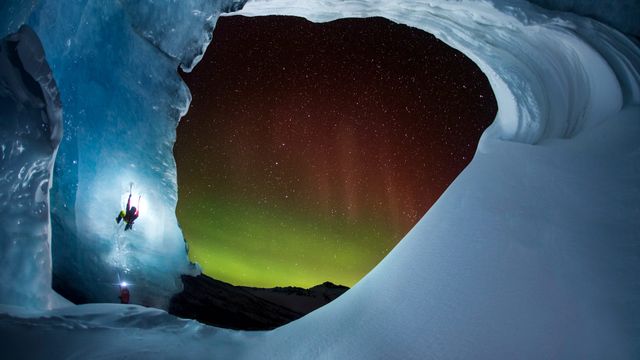 Climbing Athabasca Glacier in Jasper National Park, Alberta, Canada as the Aurora Borealis glows
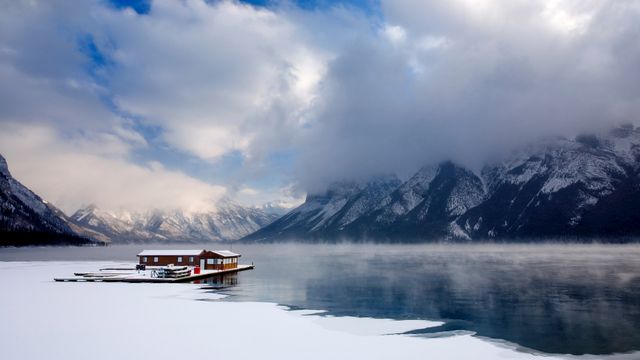 Boathouse on Lake Minnewanka in Banff National Park, Alberta
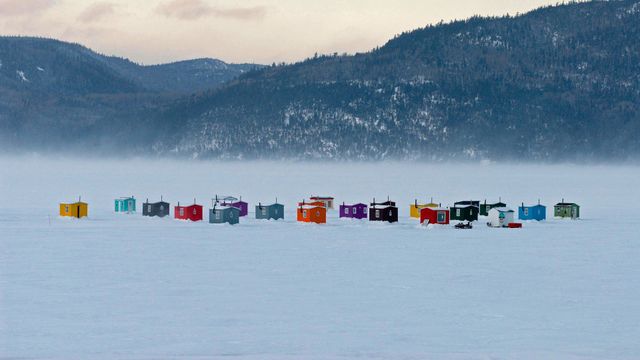 Ice-fishing village near L'Anse-Saint-Jean, Quebec, Canada
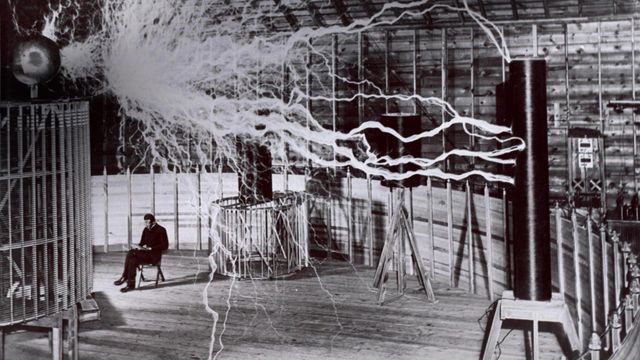 For Science Fiction Day, inventor Nikola Tesla and his ‘magnifying transmitter’
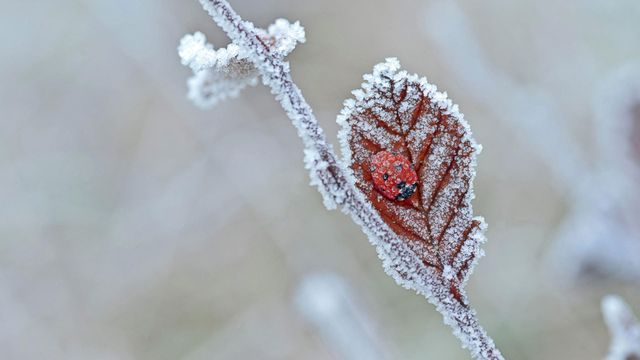 A ladybird hibernates in Tewin, England
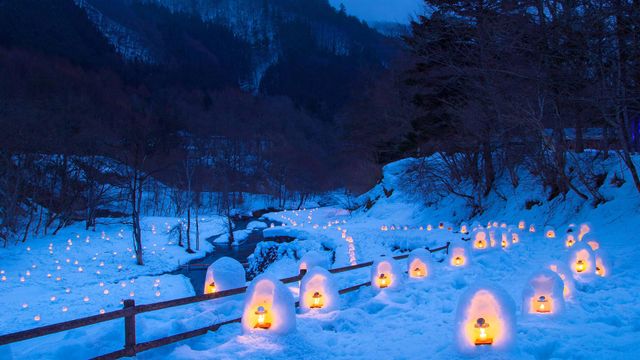 Yunishigawa Kamakura Festival in Tochigi Prefecture, Japan
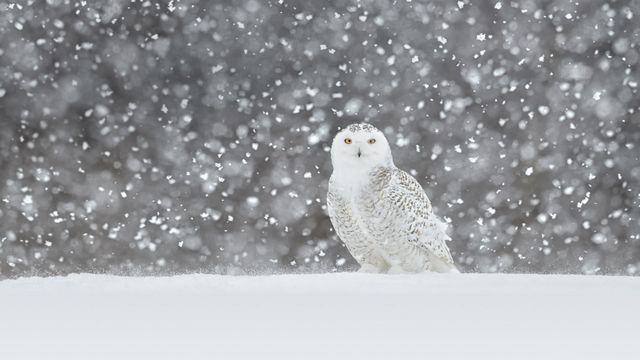 Snowy owl
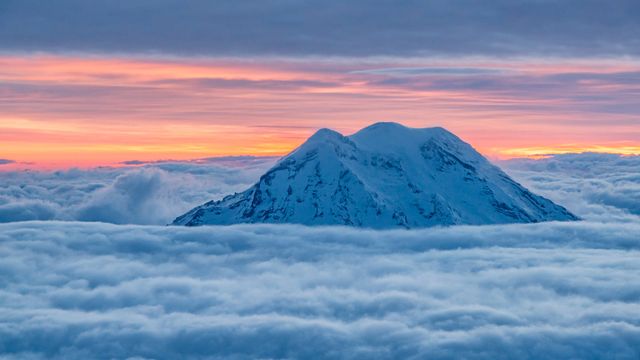 Mount Rainier National Park in Washington state
Bing Today Images