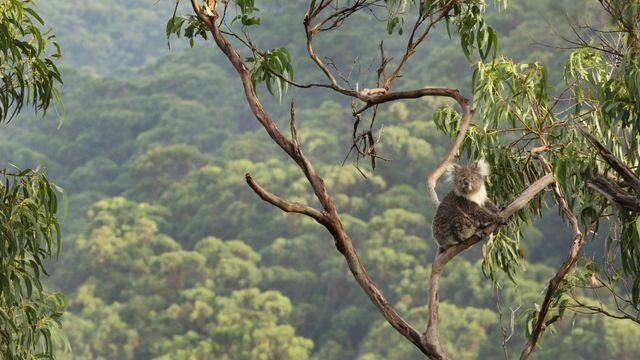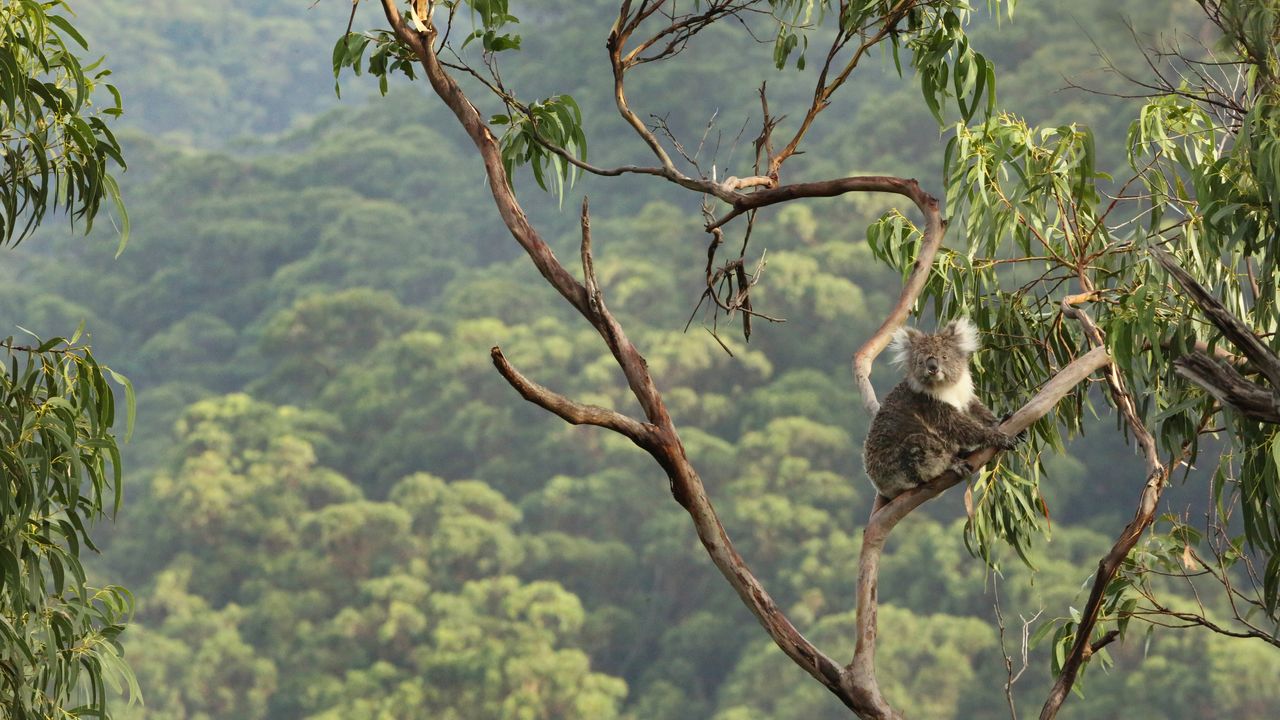
Koala in a eucalyptus tree, Great Otway National Park, Australia
© Jamie Lamb - elusive-images.co.uk/Getty Image
Clinging to what matters. Koala in the Great Otway National Park, Australia
Amid the lush eucalyptus canopy of Great Otway National Park, koalas reign as sleepy sentinels of Australia's wild soul. Often misnamed 'koala bears,' these marsupials are actually closer to wombats and tend to be instantly recognizable by their stout, tailless bodies, fluffy ears, and velvety black noses.
Their diet is notoriously selective—koalas feed almost exclusively on certain eucalyptus leaves laced with toxins that most animals can't digest. To survive, they sleep up to 20 hours a day while a specialized, bacteria-rich gut works to neutralize the poison. This slow-motion lifestyle is nature's masterstroke of adaptation.
Yet their future hangs in the balance. From habitat loss, disease, and climate-driven threats like bushfires, koalas are at a critical crossroads. But forest restoration, dedicated sanctuaries, and Indigenous-led conservation are beginning to turn the tide. With continued care, these gentle climbers can cling to the treetops (and to our hearts) as enduring symbols of Australia's wild spirit for generations to come.
Related Images
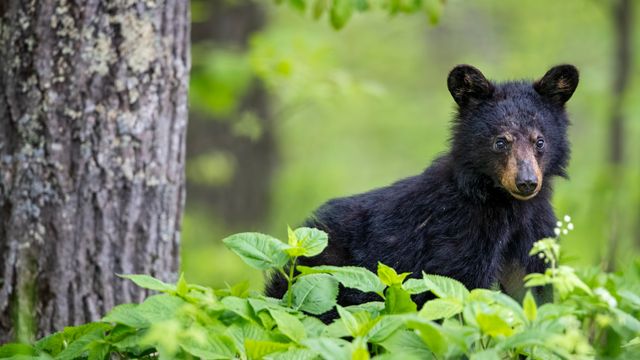 American black bear cub in spring, Shenandoah National Park, Virginia
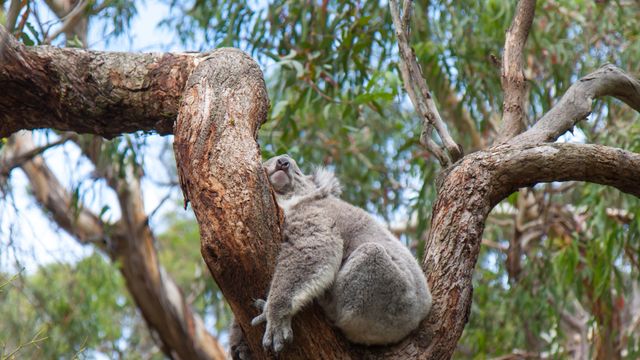 A koala sleeping in a eucalyptus tree, Australia
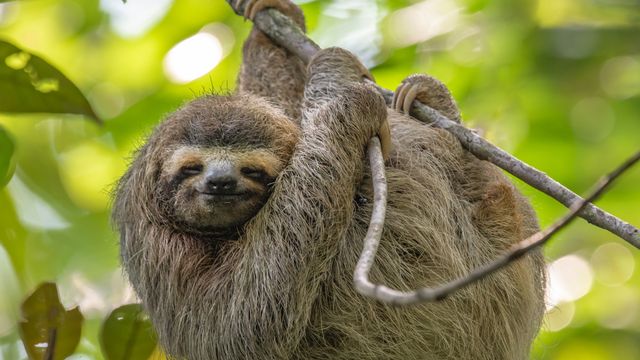 Three-toed sloth in Costa Rica
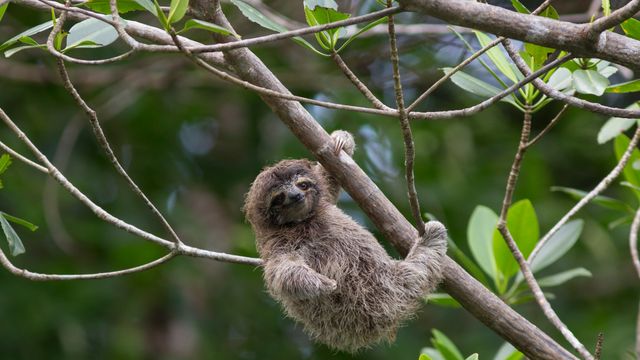 Pygmy three-toed sloth baby, Isla Escudo de Veraguas, Panama
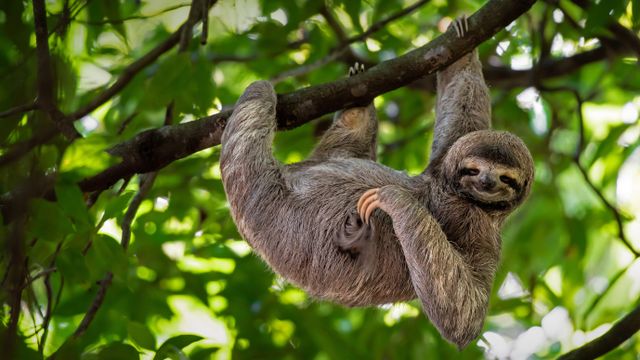 Brown-throated three-toed sloth in Manuel Antonio National Park, Costa Rica
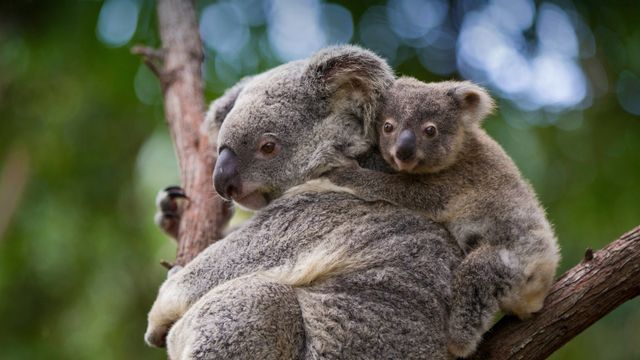 Koala mother and 8-month-old joey, Queensland, Australia
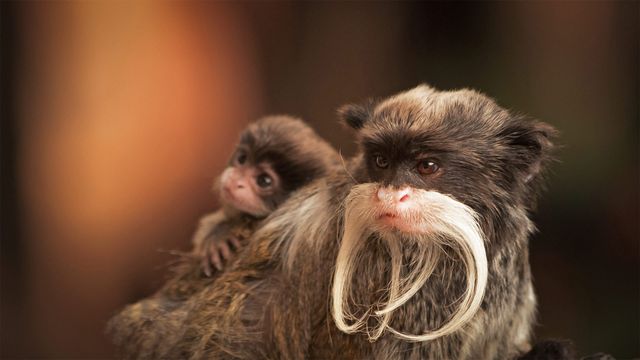 A bearded emperor tamarin monkey carrying a baby
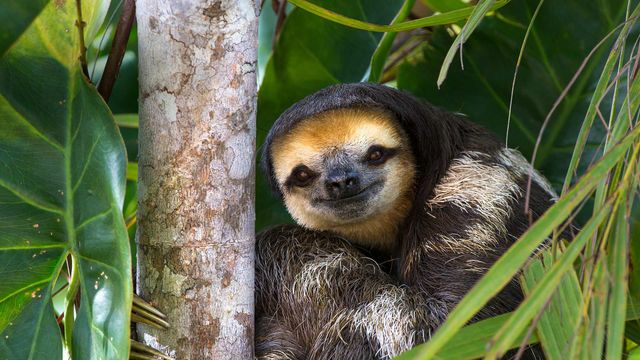 Pale-throated sloth perched in a tree on Sloth Island, near Bartica on the Essequibo River, Guyana
Bing Today Images