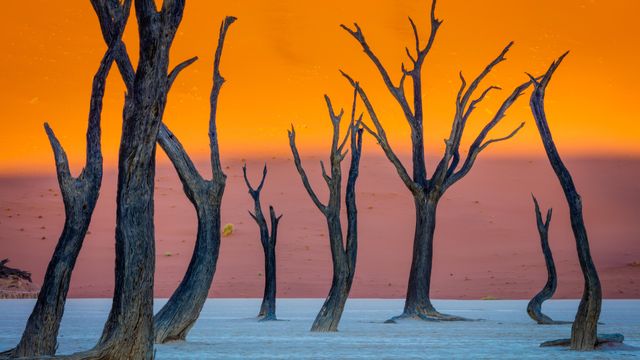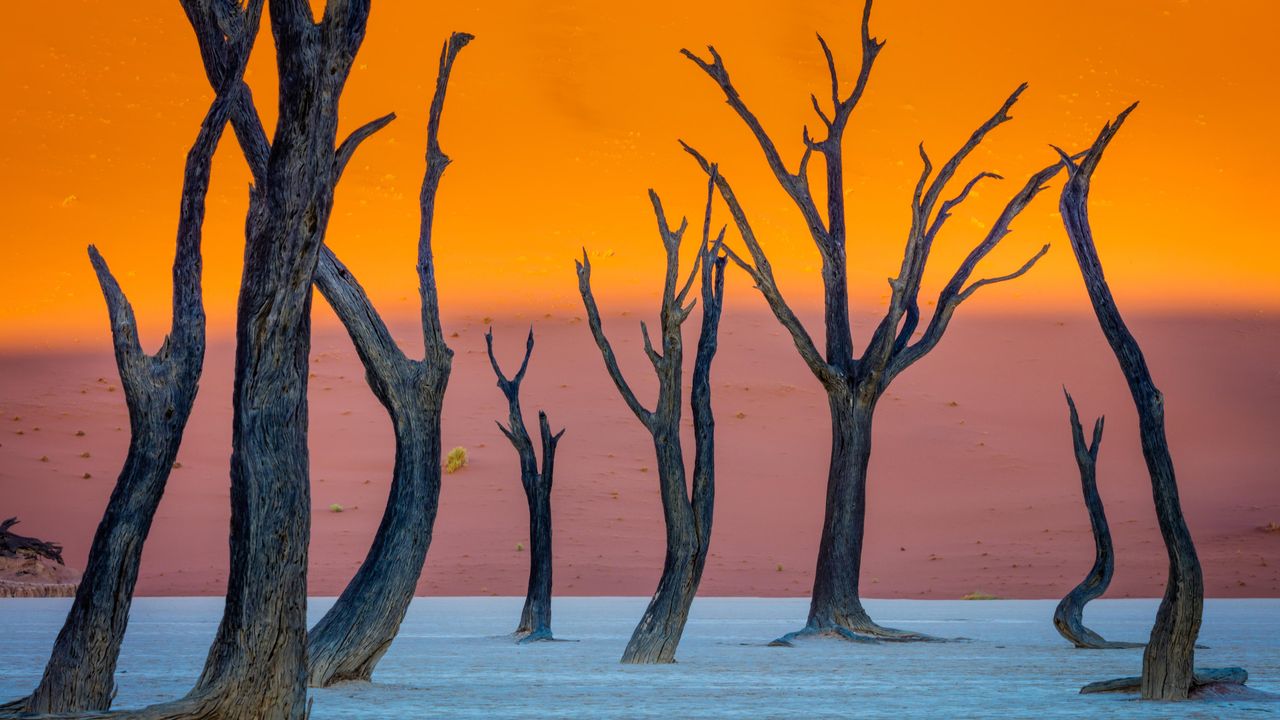
Camel thorn trees, Deadvlei, Namib-Naukluft Park, Namibia
© Inge Johnsson/Alamy Stock Phot
Ghosts of Deadvlei. Camel thorn trees, Namib-Naukluft Park, Namibia
At first glance, it looks like a surreal art installation: dark trees frozen on a clay pan, backed by sand dunes and a glowing sky. But this scene from Deadvlei, in Namibia's Namib-Naukluft Park, is entirely natural. The name 'Deadvlei' means 'dead marsh'—a remnant of the wetland that once filled this basin.
Centuries ago, a river sustained this patch of life. Then the dunes shifted, cutting off the flow. The camel thorn trees that once grew here didn't collapse or vanish. The extreme aridity and high salt content in the soil stopped the natural process in its tracks. Under those conditions, even decay gave up. The trees were embalmed by the desert—sun-dried, rigid and rooted in place for up to 900 years. Deadvlei's power lies not only in its stark beauty but in its quiet defiance. These trees, no longer alive yet not fully gone, remain like permanent witnesses in a place that chose stillness over erasure.
Related Images
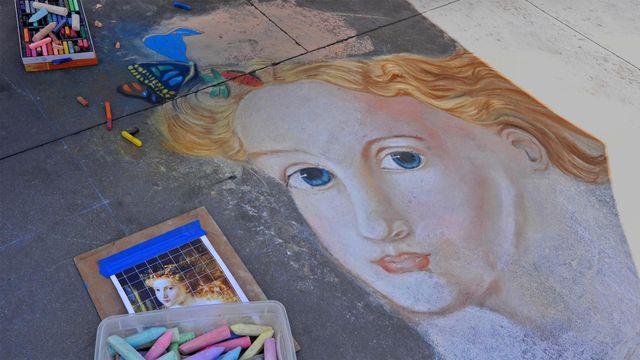 Street art from the Pasadena Chalk Festival 2013, Pasadena, California
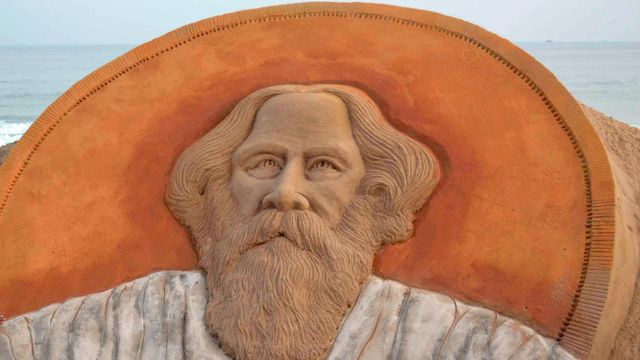 Sand sculpture of Rabindranath Tagore at Golden Sea beach at Puri.
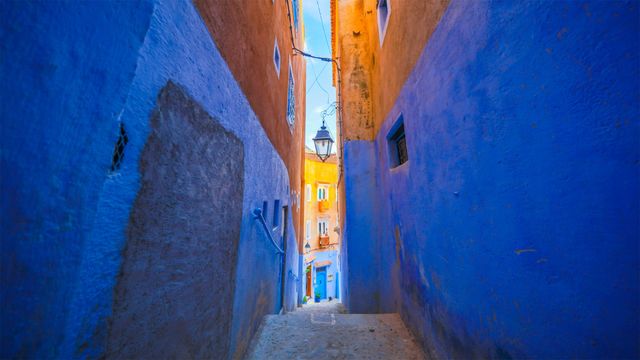 Blue walls of Chefchaouen, Morocco
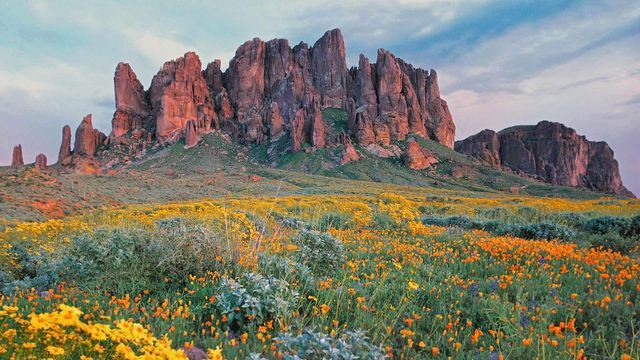 Wildflowers in bloom at Lost Dutchman State Park in Arizona, USA
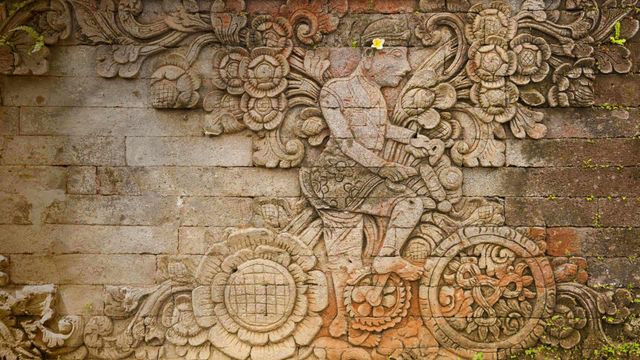 A carving of artist W.O.J. Nieuwenkamp in the Pura Meduwe Karang temple in Bali, Indonesia
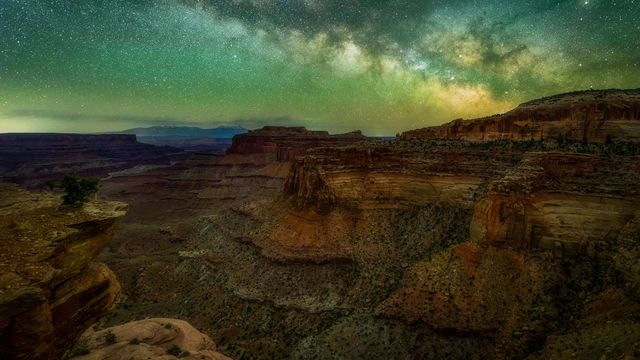 The Milky Way seen from Canyonlands National Park in Utah
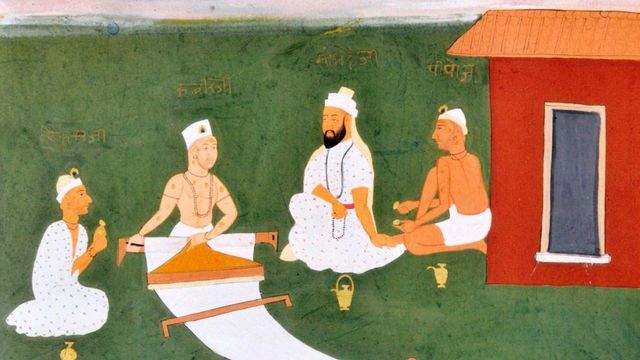 Kabir with Namdeva, Raidas and Pipaji. Jaipur, early 19th century
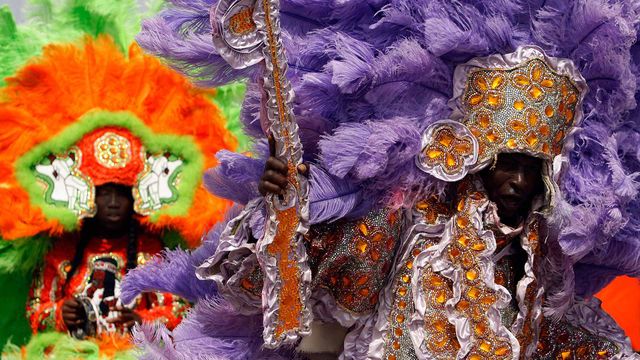 Members of the Wild Red Flame Mardi Gras Indians in New Orleans, USA
Bing Today Images