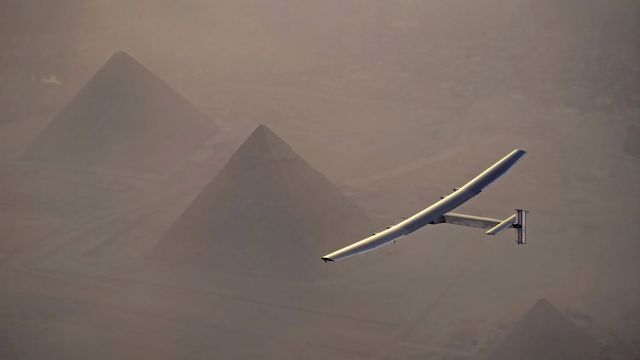
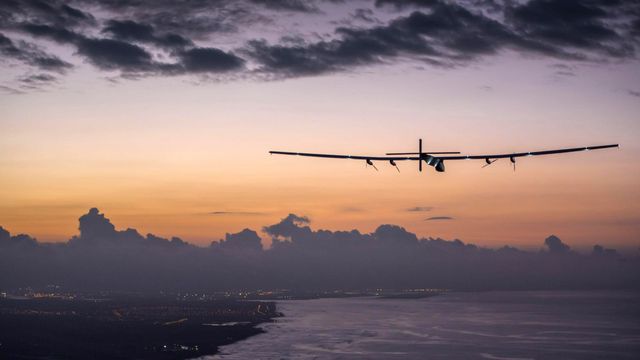
Solar Impulse 2 at Kalaeloa Airport, Honolulu, Hawaii
© Solar Impulse/Revillard/Sipa/Shutterstoc
Powered by the sun. Solar Impulse 2 in Honolulu
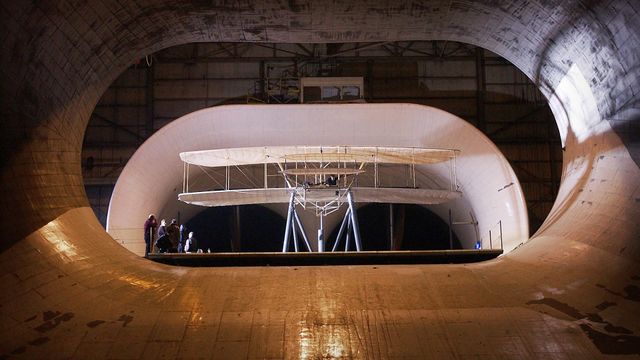
Planes, progress, and a whole lot of sky. National Aviation Day gives us a reason to pause and appreciate how aviation has shaped the modern world—and the innovators who dared to dream of flight. The national day was established in 1939 by President Franklin D. Roosevelt to honor Orville Wright's contributions to aviation. Wright, born on this day in 1871, achieved the first powered, controlled flight in 1903 along with his brother Wilbur. The day is recognized as an opportunity to promote the advancement of aviation through public events and educational activities. Many aviation museums offer free or discounted entry, and airfields often hold open houses to engage the community.
The Solar Impulse project is a remarkable milestone in modern aviation. In July 2010, the Solar Impulse prototype completed a 26-hour test flight powered only by the sun. It flew through the day and night without using fuel—a key step in proving solar-powered flight was possible. Building on this, Solar Impulse 2, seen in today's image, successfully completed the first solar-powered flight around the world from 2015 to 2016, covering over 26,000 miles without burning fossil fuels. These flights show how aviation can push forward into cleaner, more sustainable territory.
Related Images
 Wildflowers in bloom at Lost Dutchman State Park in Arizona
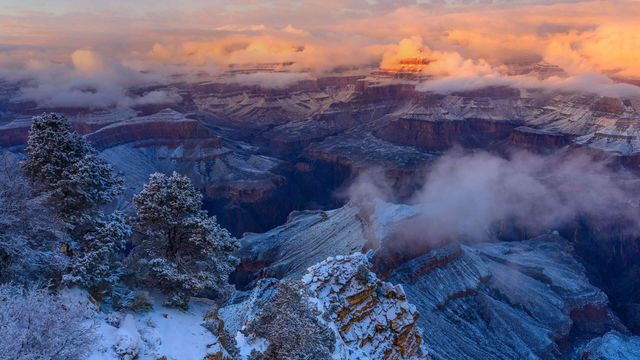 Winter at Isis Temple in Grand Canyon National Park, Arizona
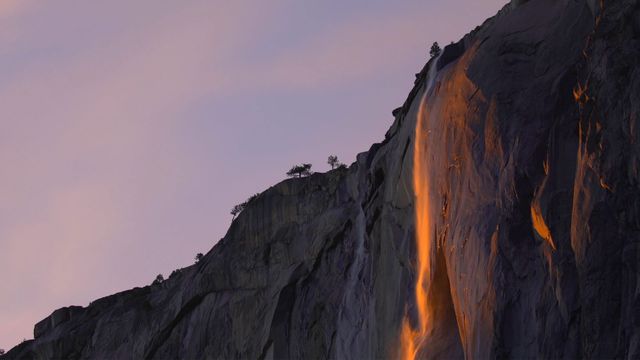 Firefall at Horsetail Fall, Yosemite National Park, California
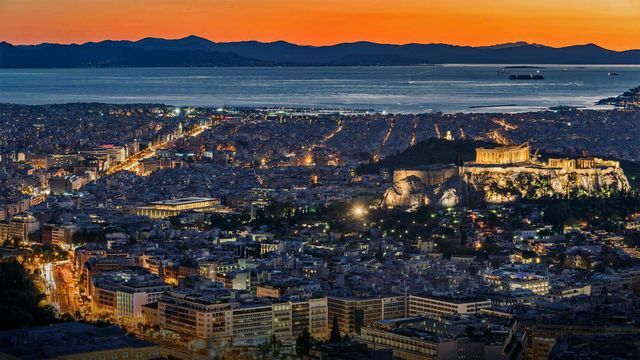 Athens for Greek Independence Day
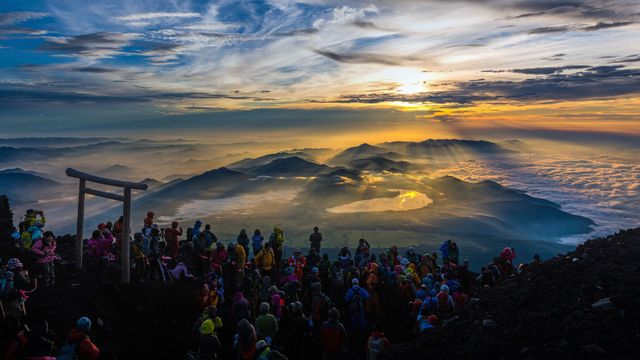 At the top of Mount Fuji in Japan
 A baobab grove near Bandia Wildlife Reserve in Senegal
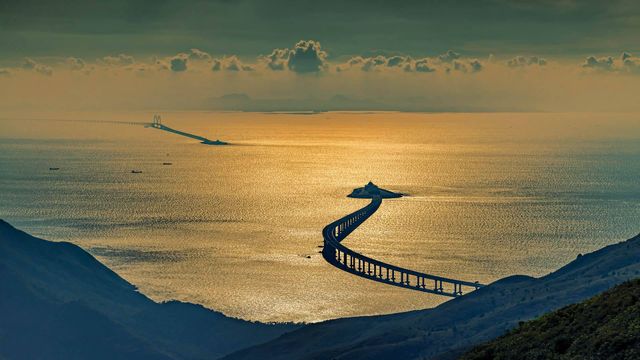 Hong Kong-Zhuhai-Macau Bridge, China
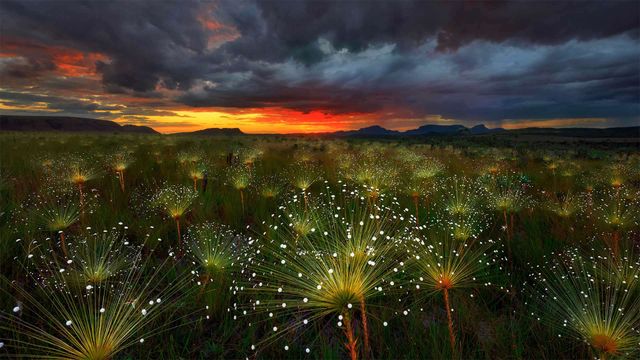 Paepalanthus flowers at sunset, Chapada dos Veadeiros National Park, Brazil
Bing Today Images