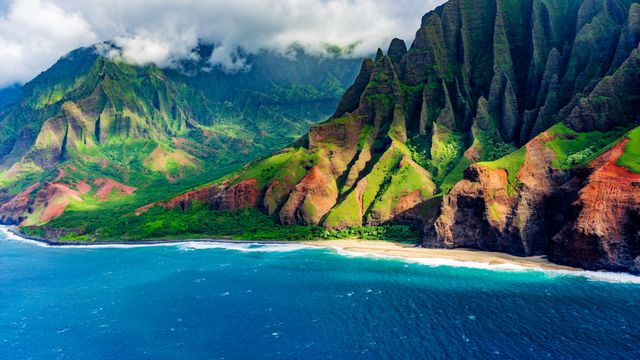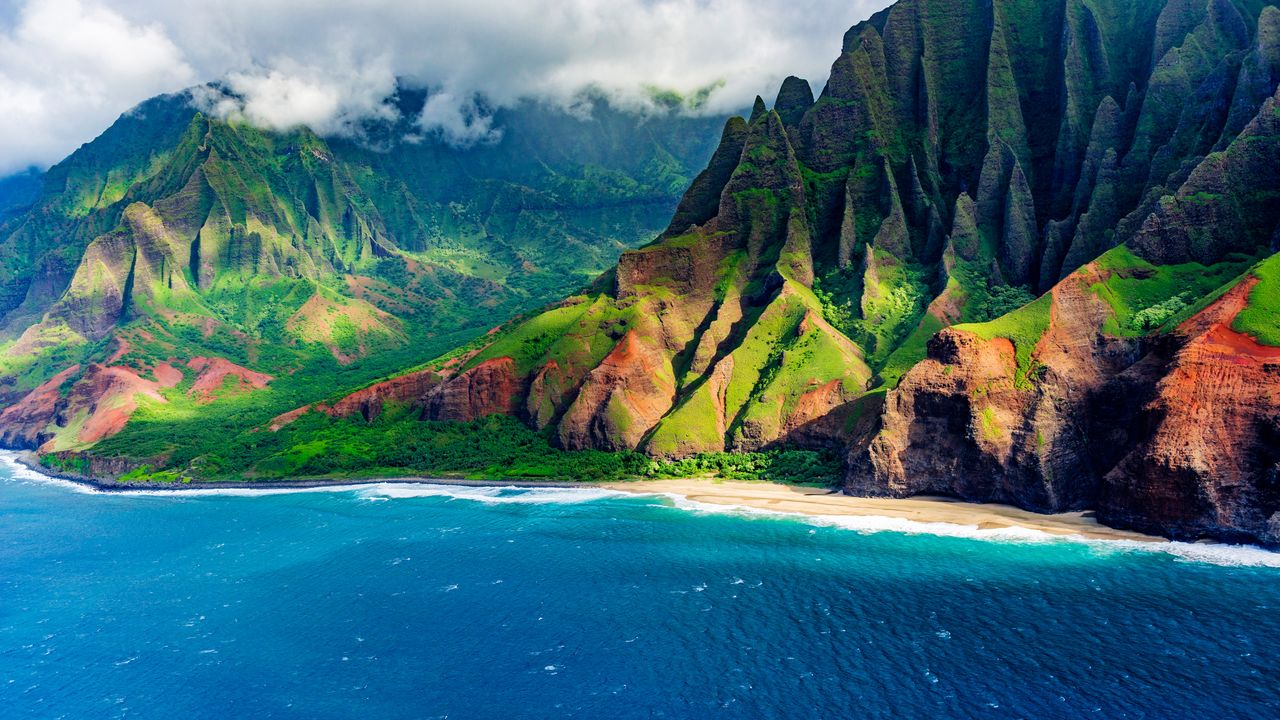
Kalalau Beach on the Nā Pali Coast, Kauai, Hawaii, United States
© Russ Bishop/DanitaDelimont.co
Kalalau Beach on the Nā Pali Coast, Kauai, Hawaii, United States
No road signs, no souvenir stands—just 18 kilometres of mud, cliffs and sweeping views leading to one of Hawaii's most remote beaches. Kalalau Beach, at the end of Kauai's Kalalau Trail, is where tired feet meet a sandy reward. The only land access is the trail itself, a rugged trek through valleys and along coastal cliffs. During summer, some arrive by kayak, but all visitors need permits to stay.
Long before camping permits and composting toilets, this remote stretch supported generations of Native Hawaiians. Thanks to freshwater streams and fertile soil, early Hawaiians farmed taro (a root vegetable widely cultivated in tropical and subtropical regions) in stone terraces. Fishing, farming and a deep spiritual connection to the land (āina) shaped daily life. Remnants of temples and house sites still lie hidden in the valley's folds. By the 1920s, most residents had left due to disease, Western contact and shifting land use. In recent decades, off-the-grid seekers sought refuge here until state protections were implemented. Today, Kalalau is both sacred and scenic—a place where history lingers with every crashing wave.
Related Images
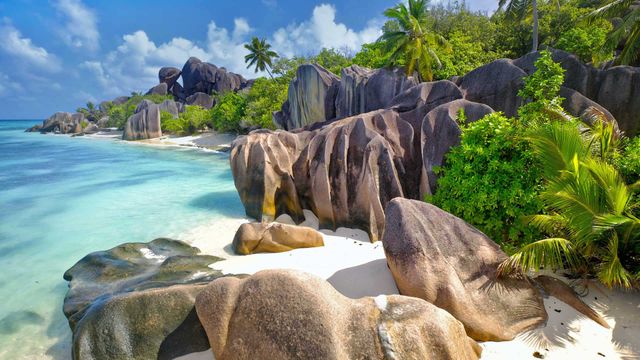 La Digue, an island in the Seychelles
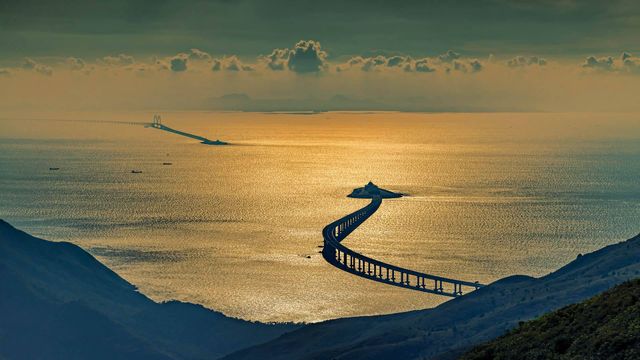 Hong Kong-Zhuhai-Macau Bridge, China
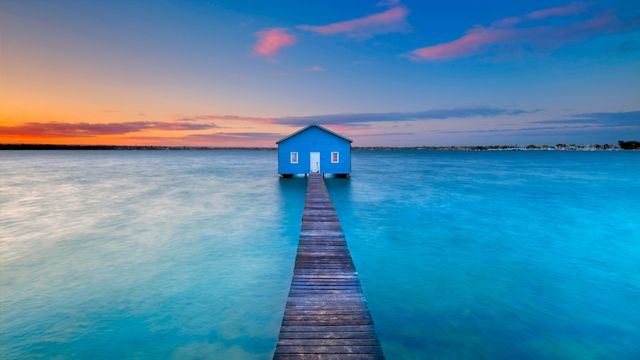 Sunrise over the Matilda Bay boathouse in the Swan River, Perth
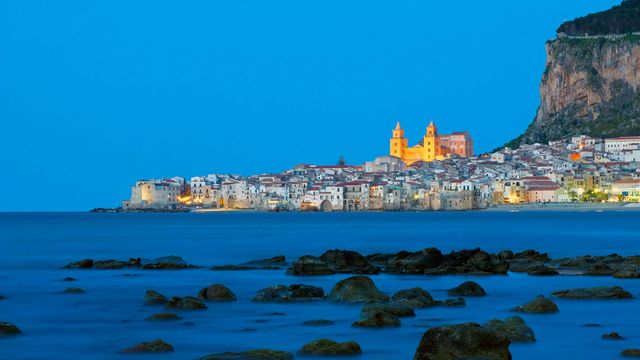 Cefalù on Mediterranean Sea in Sicily, Italy
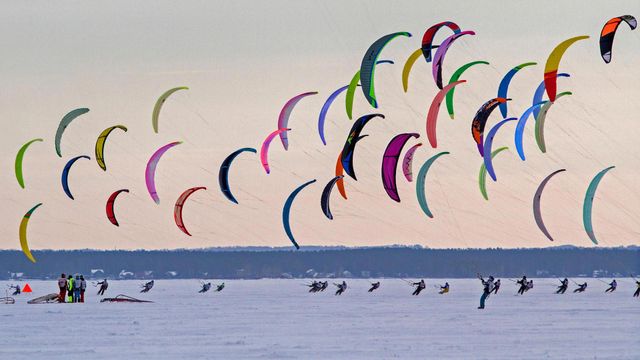 Siberian Snowkiting Cup in Novosibirsk, Russia
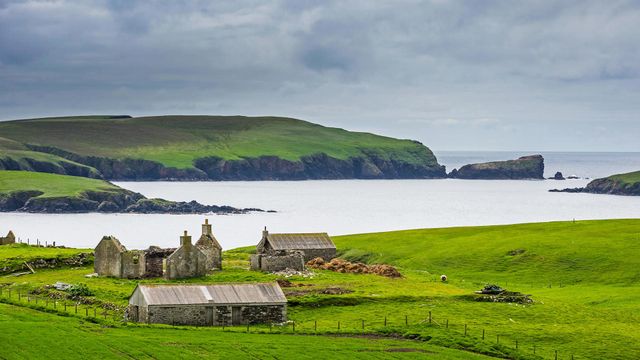 An old farm in the Shetland Islands, Scotland
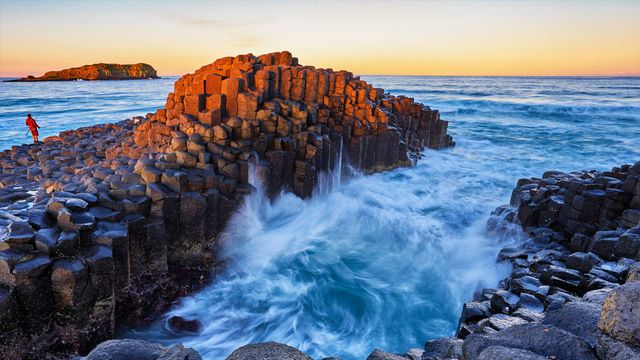 Fingal Head with a rock fisherman on the headland
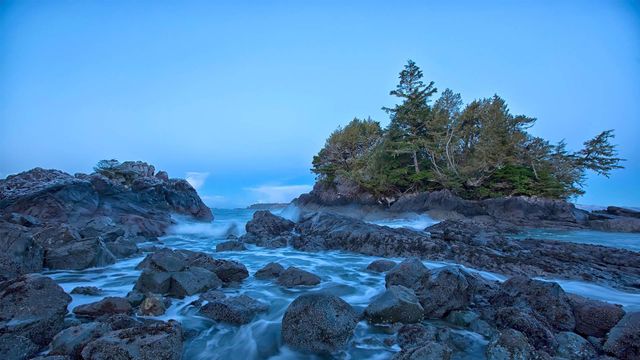 Shoreline near Tofino on Vancouver Island, British Columbia, Canada
Bing Today Images