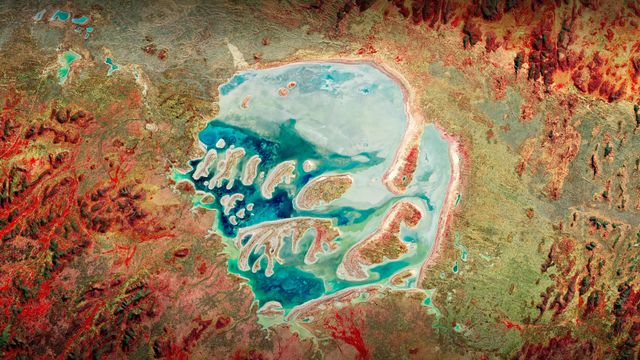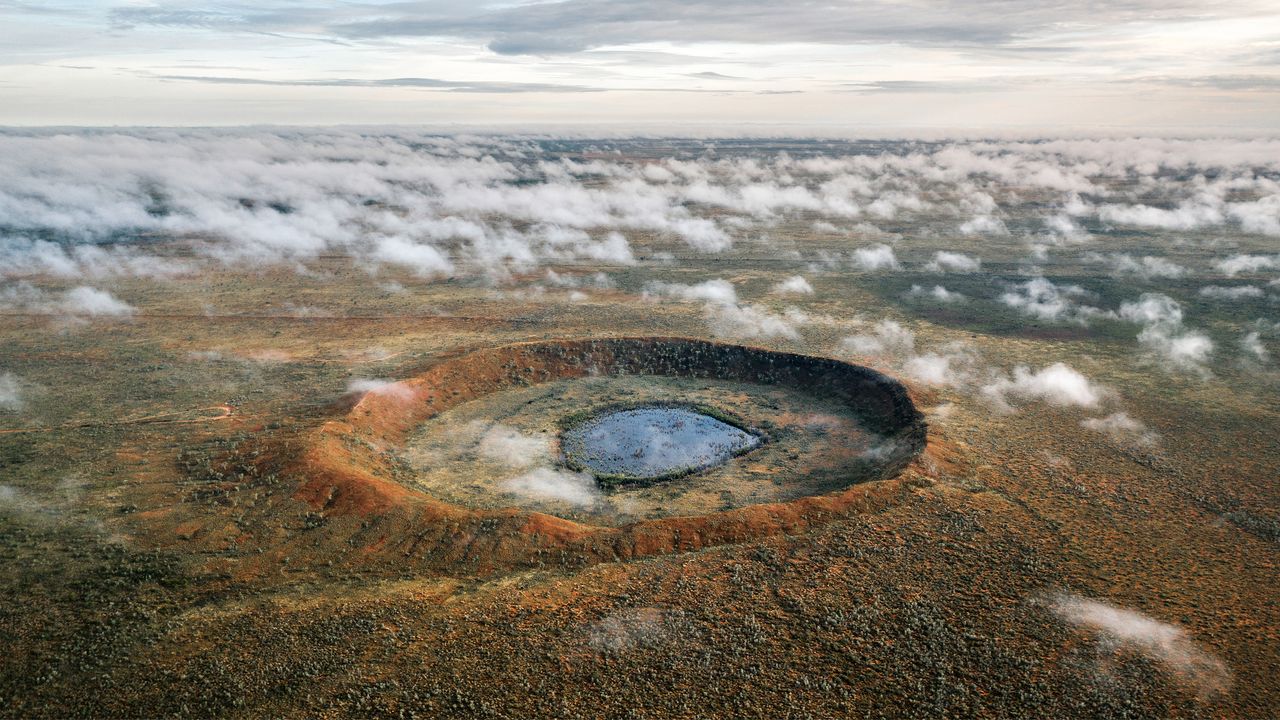
Wolfe Creek Crater, Australia
© Abstract Aerial Art/Getty Image
Rock-solid defence. Asteroid Day
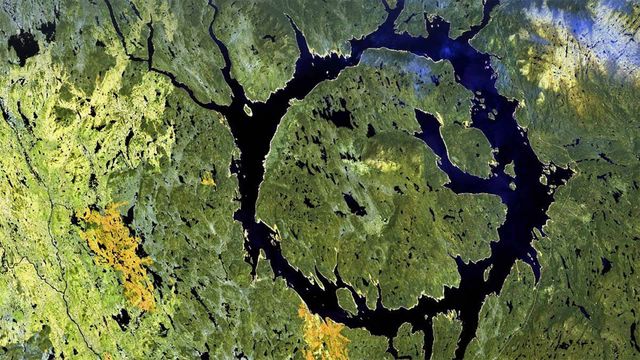
Each scar on Earth from a meteorite impact tells a story—from the asteroid that wiped out the dinosaurs to the lesser-known craters that dot the planet. Asteroid Day highlights ongoing research into asteroids and the potential threats they pose. Started in 2015 and backed by the United Nations, this day marks the anniversary of the Tunguska event—a massive explosion that occurred in Siberia on June 30, 1908. This explosion flattened over 2,000 square kilometres of Siberian forest near the Tunguska River. The blast released energy equal to 10–15 megatons of trinitrotoluene (TNT), a standard measure of explosive force. Since then, craters like United States' Barringer, Canada's Manicouagan and others have helped scientists study what happens when space rocks hit Earth.
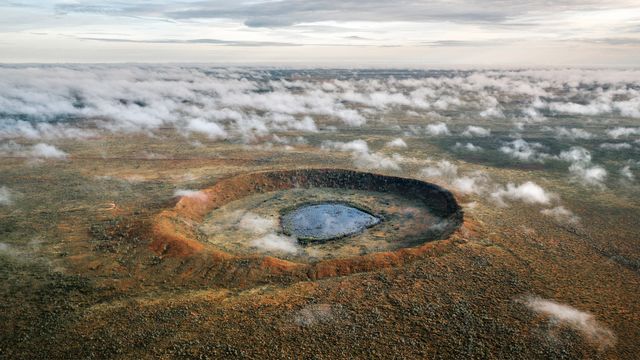
Wolfe Creek Crater in Western Australia, pictured here, was created by a meteorite estimated to have weighed over 14,000 tonnes. The crater is over 800 metres in diameter and sits within Wolfe Creek Meteorite Crater National Park, a remote protected area. The park's flat plains and desert grasslands make the crater's rim especially visible. Today, visitors can walk along the rim and learn about its significance to both science and local Indigenous communities.
Related Images
 The Dubai Fountain in Burj Lake taken from the Burj Khalifa in Dubai
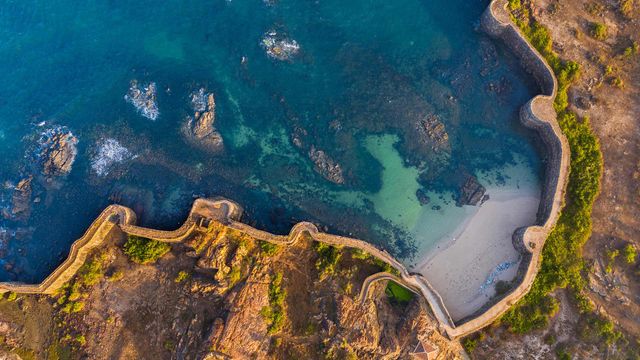 Aerial view of Sindhudurg Fort, Maharashtra coast
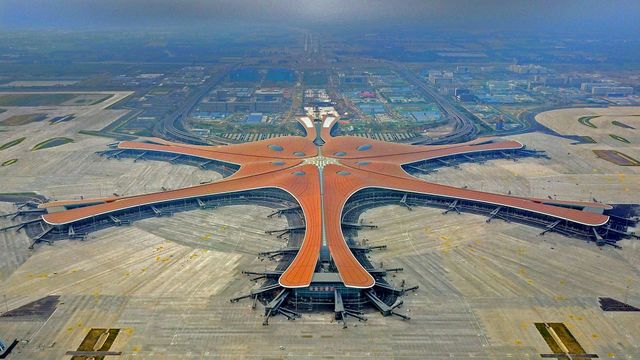 An aerial view of Daxing International Airport in Beijing
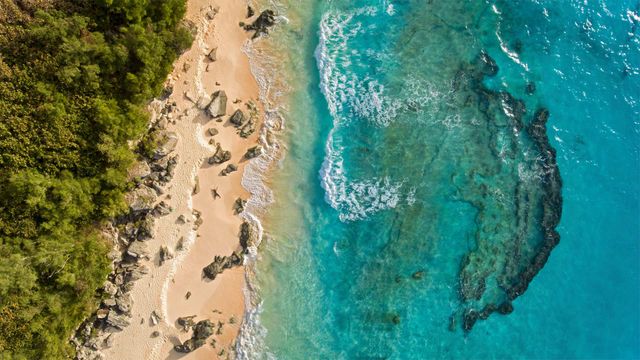 Aerial view of Marley Beach, Bermuda
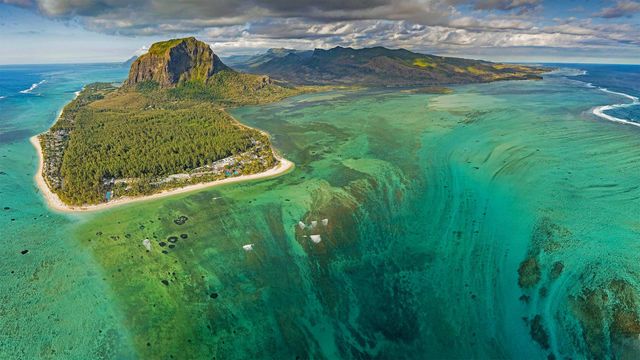 Le Morne Brabant, Mauritius
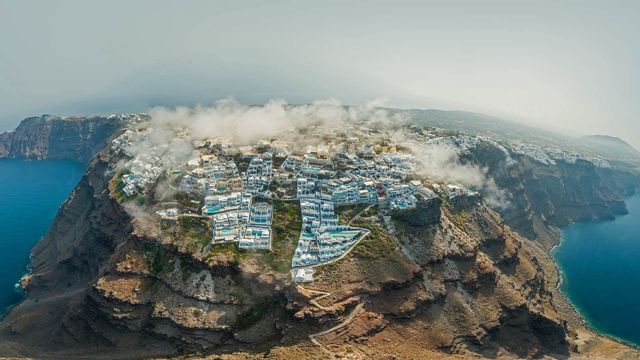 Aerial view of Santorini island, Greece
 Isola Bella, Lake Maggiore, Piedmont, Italy
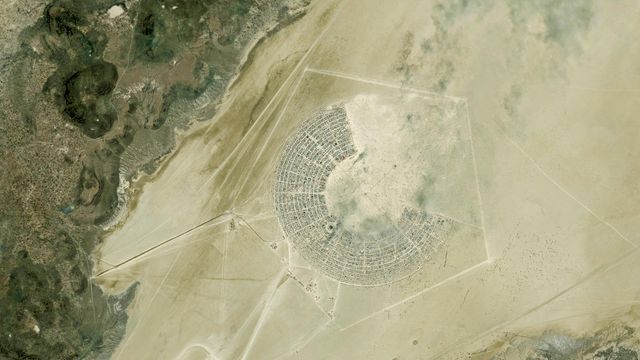 Satellite image of the Burning Man Festival in Black Rock City, Nevada
Bing Today Images