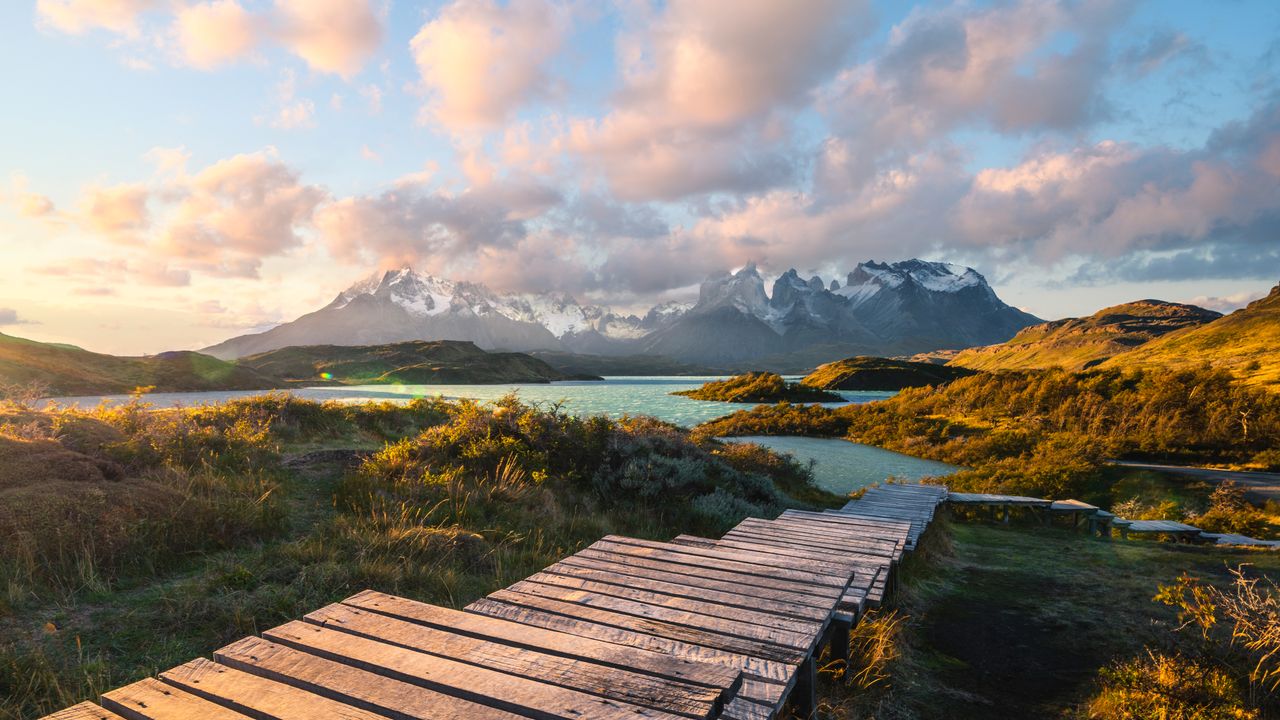
Torres del Paine National Park, Patagonia, Chile
© Marco Bottigelli/Getty Image
66 and still gorgeous. Torres del Paine National Park in Patagonia, Chile
Wildlife roams freely in one of Chile's most stunning protected areas, where towering peaks and ancient glaciers shape the land. Torres del Paine National Park in Patagonia was established on this day in 1959. Originally called Grey Lake National Tourism Park, it was renamed in 1970 and designated a UNESCO Biosphere Reserve in 1978. Its most recognizable features—three massive granite peaks known as the Torres—stand over 8,000 feet tall. These formations took shape through magma intrusion and uplift, followed by millions of years of glacial erosion, leaving behind the jagged spires seen today.
The park's lakes and rivers, fueled by melting ice, create a hydrological network that sustains its wildlife. Four major glaciers—Tyndall, Grey, Dickson, and Zapata—are fed by the Southern Patagonian Ice Field. Originating from Dickson Lake, the Paine River flows through various bodies of water, including Paine Lake, Nordenskjöld Lake, and Pehoé Lake. Wildlife thrives here, including pumas, endangered southern huemuls (south Andean deer), Chilean flamingos, and chimango caracaras. With grasslands, wetlands, and forests, the park supports a range of plant life, including lenga and Antarctic beech, and cushion plants that endure the harsh climate.
Related Images
 Mount Rainier National Park in Washington state
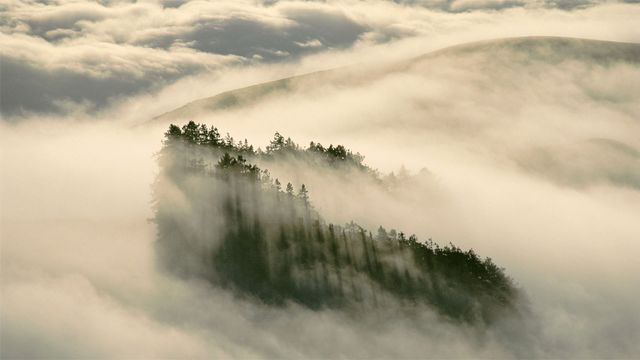 Coast redwoods in Henry Cowell Redwoods State Park, California
 The shoreline of Cahuita National Park in Costa Rica
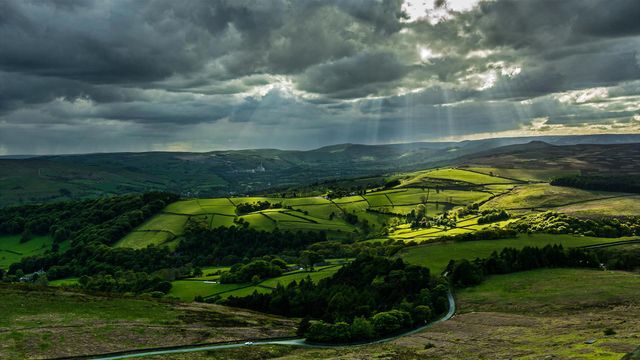 Hope Valley, Peak District, England
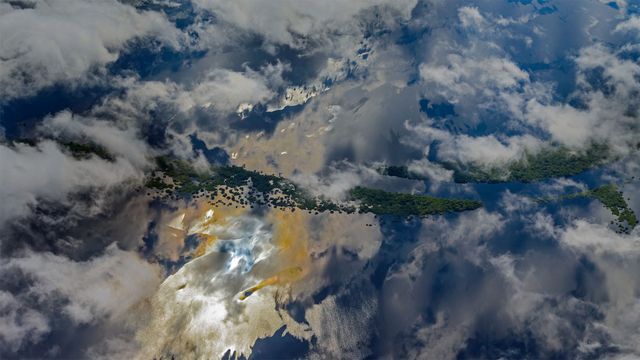 Aerial of the Amazon River Basin near Manaus, Brazil
 Sun Voyager sculpture by Jón Gunnar Árnason in Reykjavik, Iceland
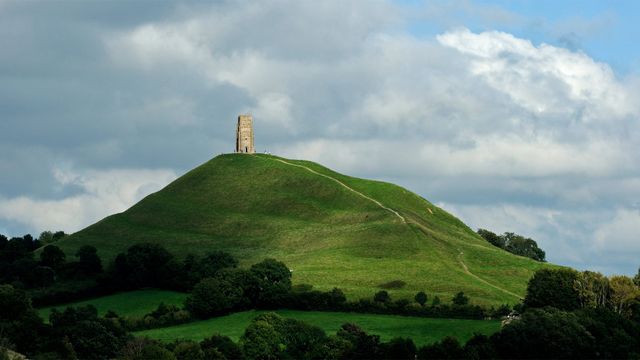 Glastonbury Tor and St. Michael's Tower in England for the start of the Glastonbury Festival
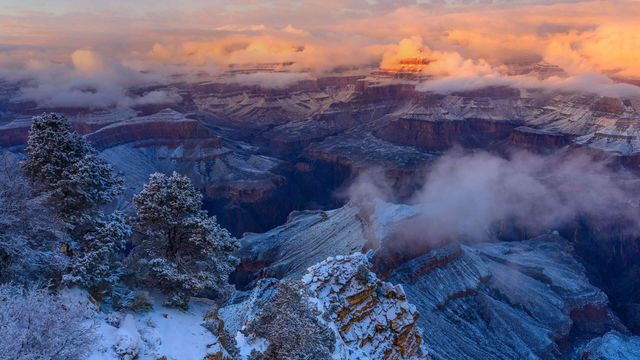 Winter at Isis Temple in Grand Canyon National Park, Arizona
Bing Today Images