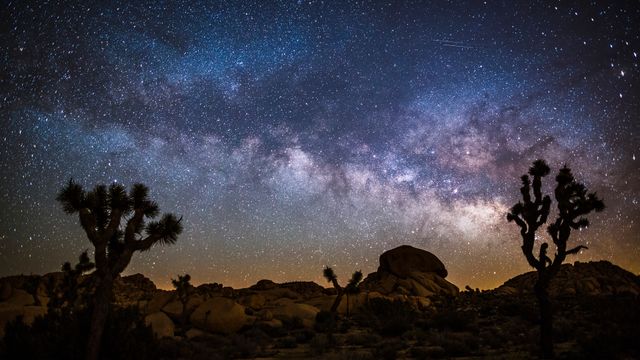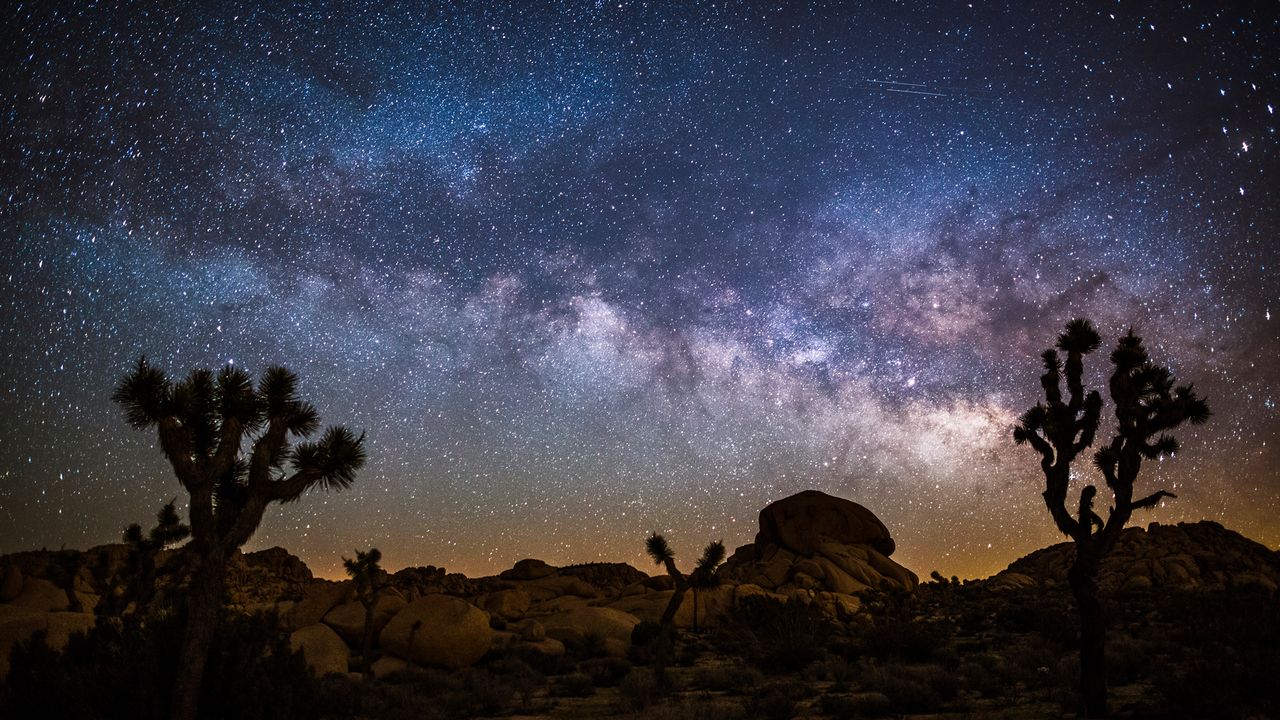
Milky Way over Joshua Tree National Park, California
© Schroptschop/Getty Image
Gazing into infinity. Astronomy Day
Get your telescope and star map app ready because it's Astronomy Day! Doug Berger, then president of the Astronomical Association of Northern California, created Astronomy Day in 1973 to get more people interested in the wonders of space. He set up telescopes on street corners, malls, and parks to give people a chance to see the stars firsthand.
Early astronomers lacked the means to view celestial objects beyond those which could be seen by the naked eye. But they still made major discoveries, such as calculating the size and distance of the moon, affirming the sun as the center of our solar system, and predicting the movement of stars relative to the seasons. Today we have sophisticated telescopes, from the orbiting James Webb Space Telescope to the portable ones you'll find in use at International Dark Sky Parks, including Joshua Tree National Park, seen in our photo. With such ground-breaking technology at our disposal, astronomers can boldly go where no human eyes have gone before.
Related Images
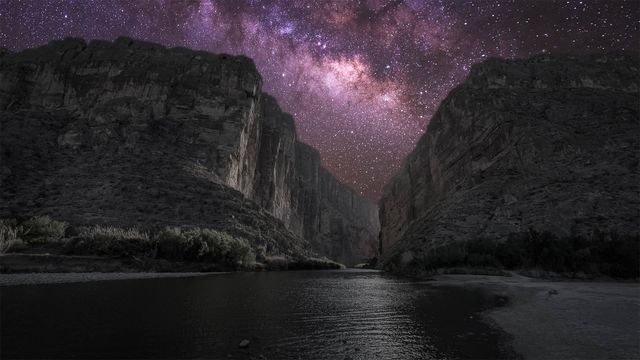 Santa Elena Canyon under the Milky Way in Big Bend National Park, Texas
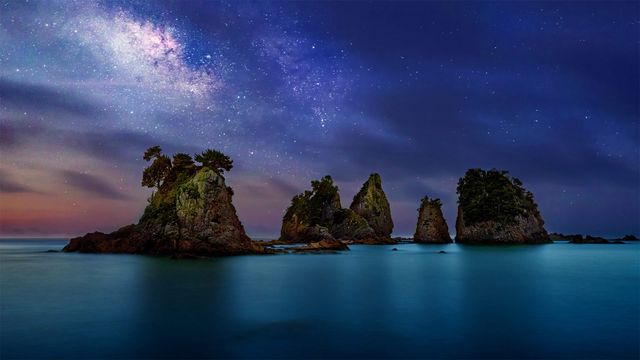 The Minokake-Iwa rocks off the coast of the Izu Peninsula, Japan
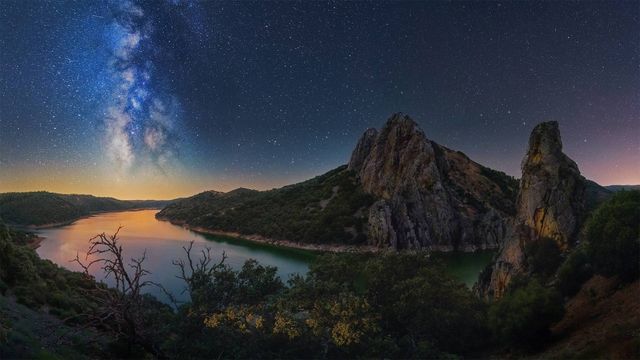 Milky Way over the Tagus River in Monfragüe National Park, Spain
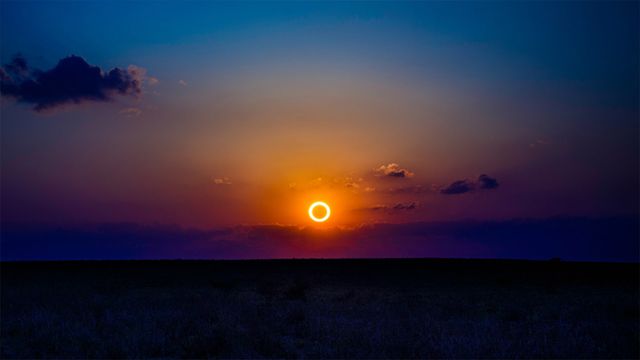 Annular eclipse over New Mexico, May 20, 2012
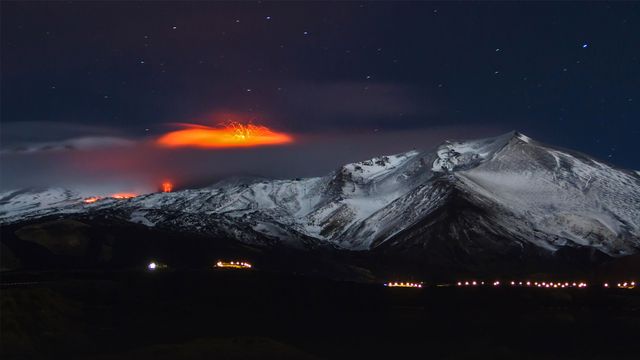 Mount Etna erupting in 2013, Sicily, Italy
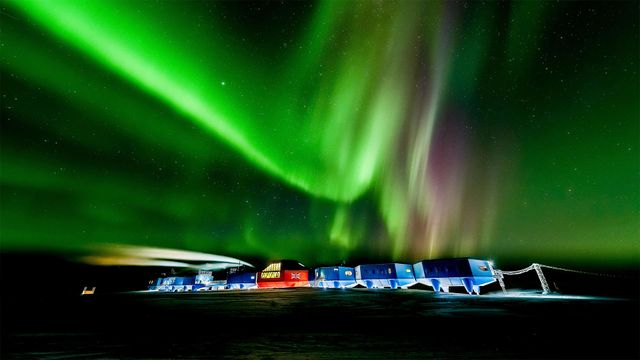 Aurora australis over the Halley VI Research Station in Antarctica
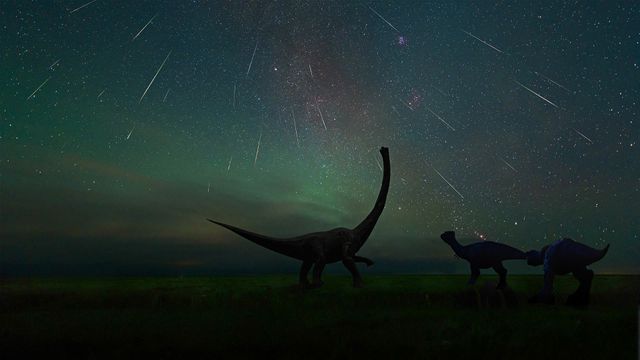 The Perseid meteor shower photographed at the Dinosaur Museum of Erenhot in Inner Mongolia, China
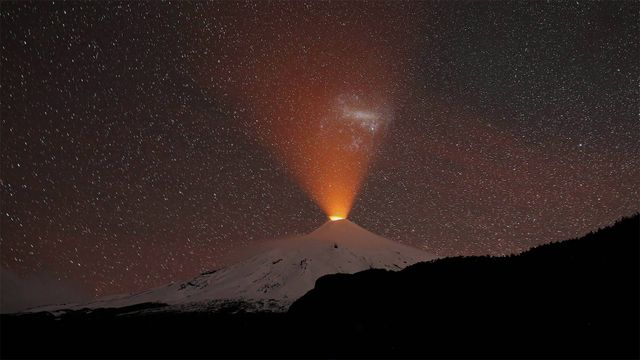 The Villarrica volcano in Chile on September 2, 2018
Bing Today Images