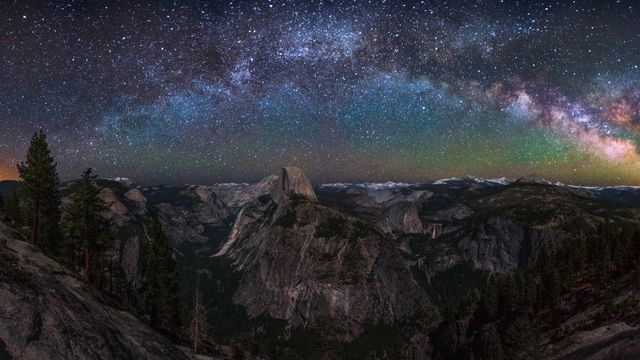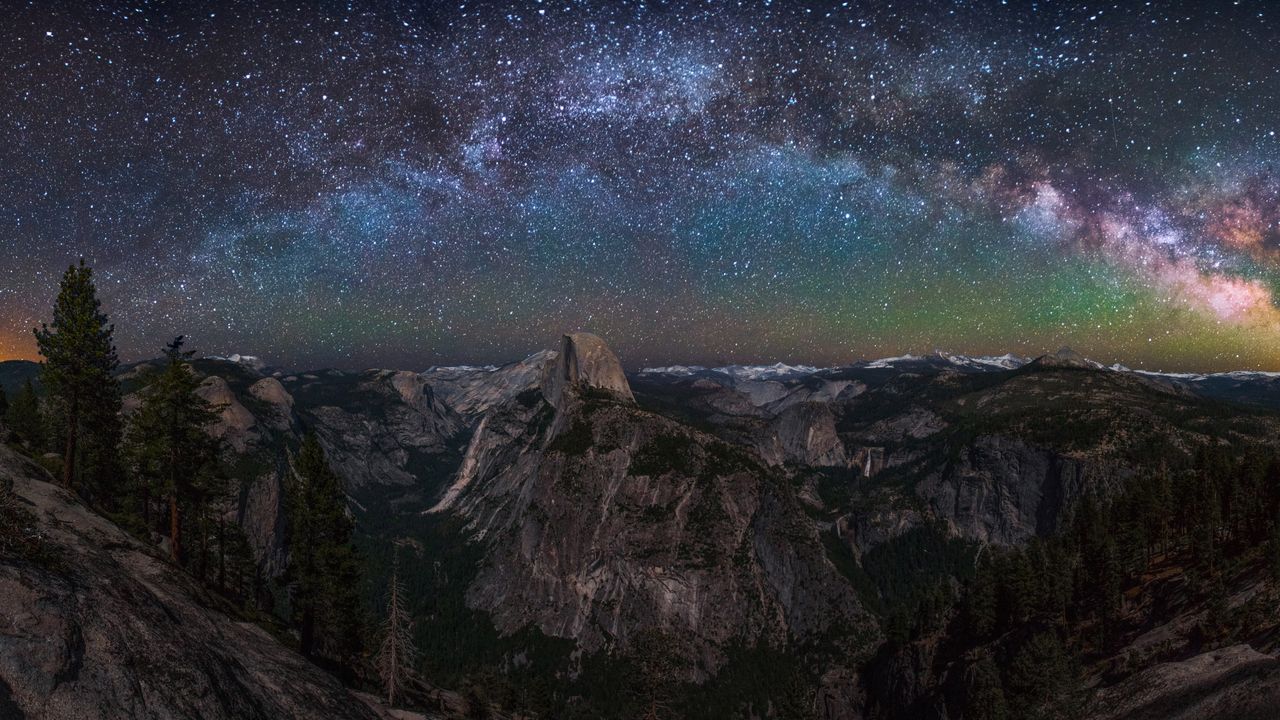
Milky Way rising above Half Dome in Yosemite National Park, California
© Cory Marshall/Tandem Stills + Motio
Could you turn off the lights?. Dark Sky Week
During International Dark Sky Week, we're counting ourselves lucky to have this spectacular nighttime view, considering the astonishing fact that 83% of the global population lives under a light-polluted sky. Unneeded artificial light is classified as a pollutant and has been proven to have harmful side effects. Not only does it waste money and energy, but it also disrupts plants and animals, is believed to impact the climate, and blocks our view of the universe.
Encouraging people to get away from artificial light is one of the goals of International Dark Sky Week, and today’s photo shows just how magnificent that can be. Here, we’re treated to a beautiful view of the Milky Way from Yosemite National Park in California. Yosemite is part of a network of national parks monitoring dark night skies to gather a complete data set of light pollution. They’ve learned that ‘two-thirds of Americans cannot see the Milky Way from their backyard, and if current light pollution trends continue, there will be almost no dark skies left in the contiguous United States by 2025.
Luckily, the dark sky is a recoverable resource. There are ways to reduce our light use and improve the view of the night sky for everyone. Think about it over the course of the next week, preferably while gazing at a night sky undisturbed by light pollution – or at least a beautiful photo of one.
Related Images
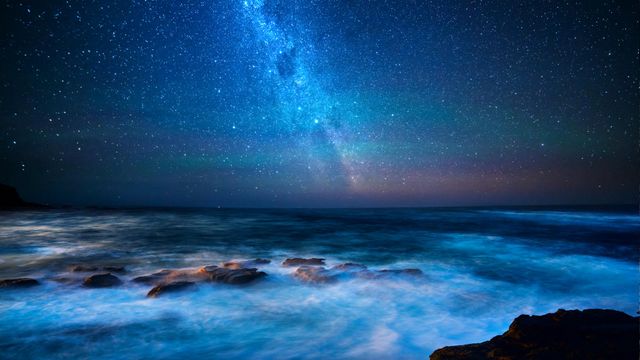 View from the Great Ocean Road with the Milky Way, Victoria, Australia
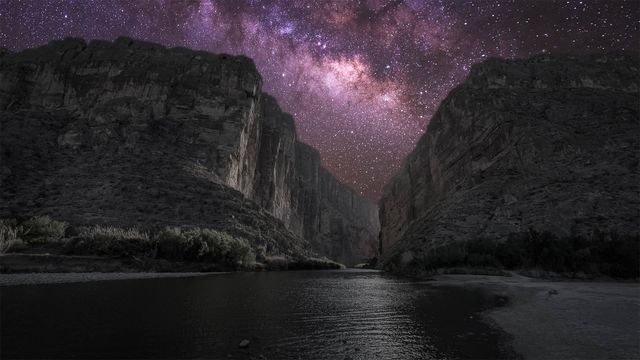 Santa Elena Canyon under the Milky Way in Big Bend National Park, Texas, USA
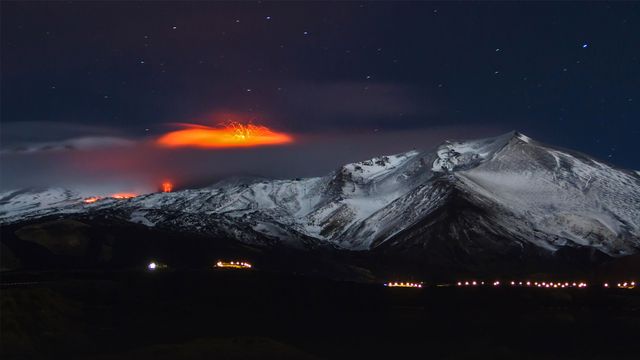 Mount Etna erupting in 2013, Sicily, Italy
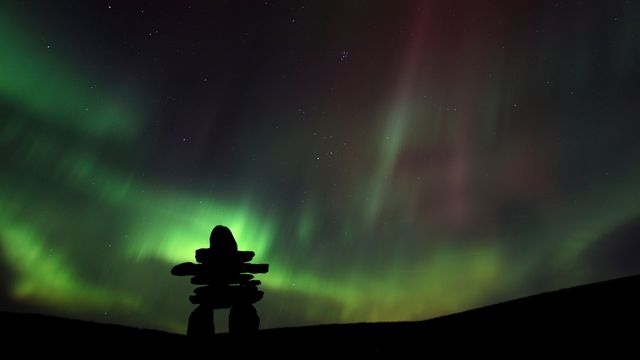 Inukshuk silhouetted against the Northern Lights in Barren Lands, Northwest Territories, Canada
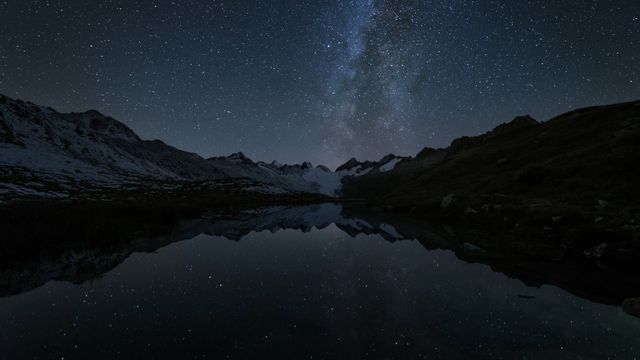 Stars reflecting in Totensee, a mountain lake at Grimsel Pass, Kanton Bern, Switzerland
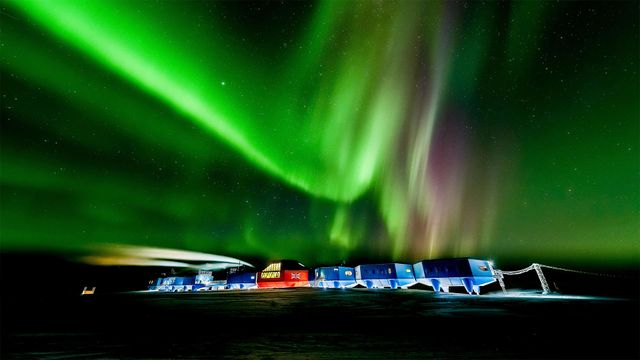 Aurora Australis over the Halley VI Research Station in Antarctica
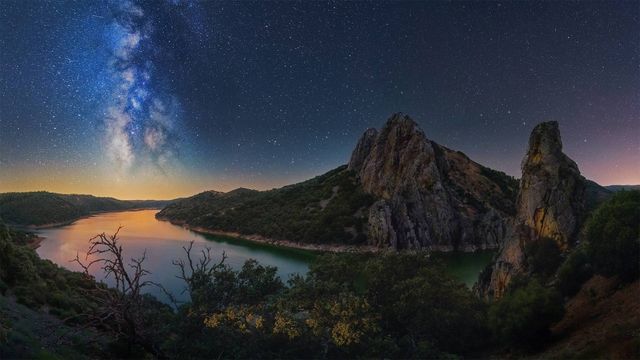 Milky Way over the Tagus river in Monfragüe National Park, Spain
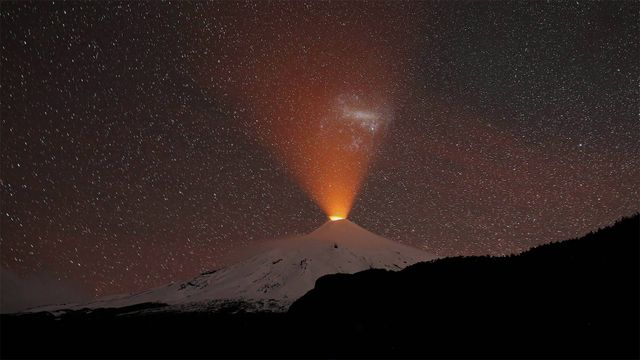 The Villarrica volcano in Chile on September 2, 2018
Bing Today Images