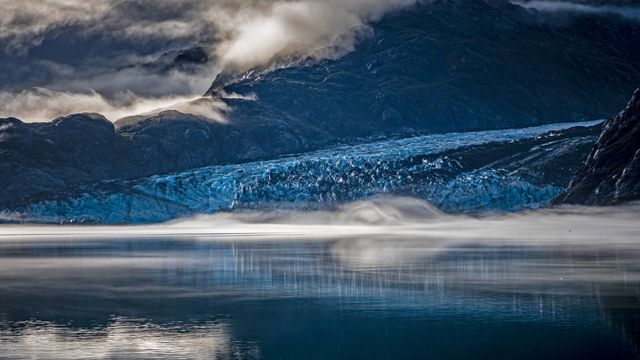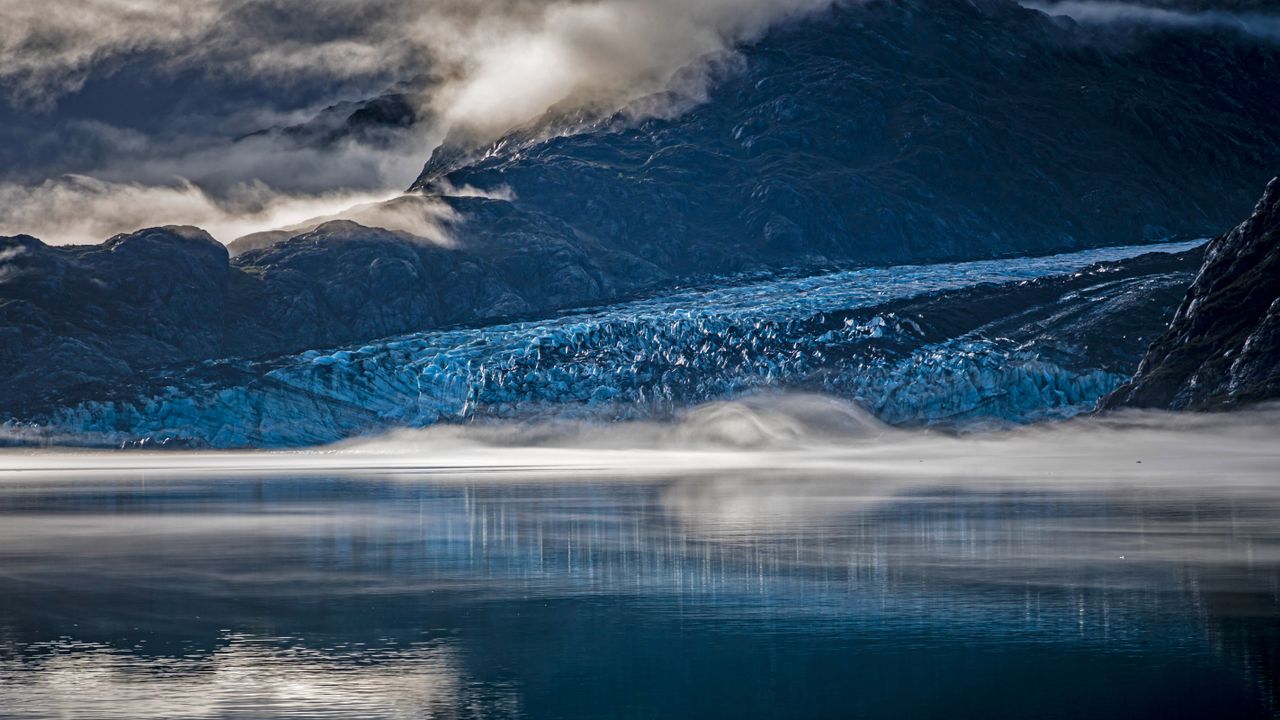
Lamplugh Glacier in Glacier Bay National Park, Alaska
© Andrew Peacock/Getty Image
Where ancient ice meets the sea. Glacier Bay National Park and Preserve
Think of this special spot as the place where two different Alaskas meet--its vast icy north and its verdant maritime south. Glacier Bay is named for this area’s dominant feature, the rivers of ice that carve the landscape and periodically calve icebergs into the sea. On February 26, 1925, U.S. President Calvin Coolidge declared much of the land around the bay a national monument. But the protected area was greatly expanded in 1980, when a 1.3-million-hectare expanse of glaciers, fjords, rainforest, coastline, and mountain peaks was named a national park and preserve.
Pictured here is Lamplugh Glacier, one of the relatively few tidewater glaciers in the park; the vast majority are found inland. Lamplugh is known for its intense blue colour–ice and water absorb the red wavelength of white light and transmit blue light, which is what we end up seeing. The thicker and purer the ice, the more blue it appears.
Related Images
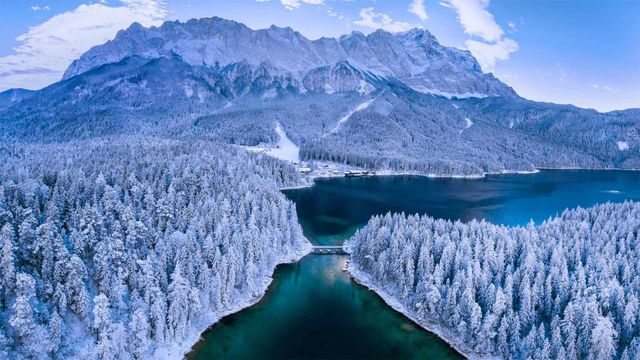 Eibsee lake at the base of Zugspitze mountain, Bavaria, Germany
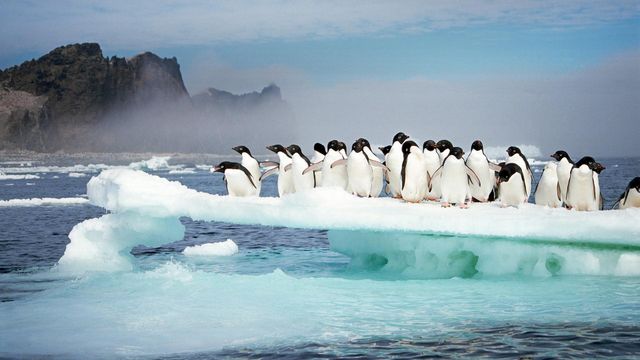 Adélie penguins at Possession Island, Antarctica
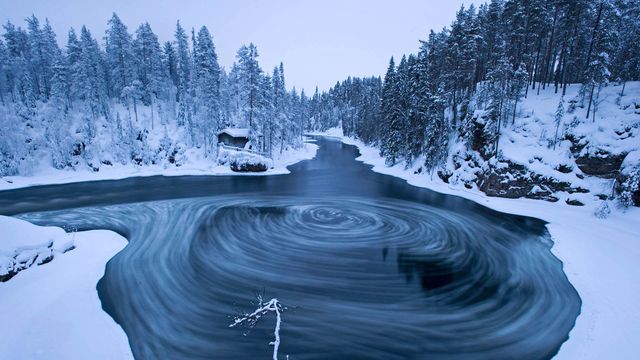 The whirlpool in Myllykoski scenic area at winter in Oulanka National Park, Kuusamo, Finland
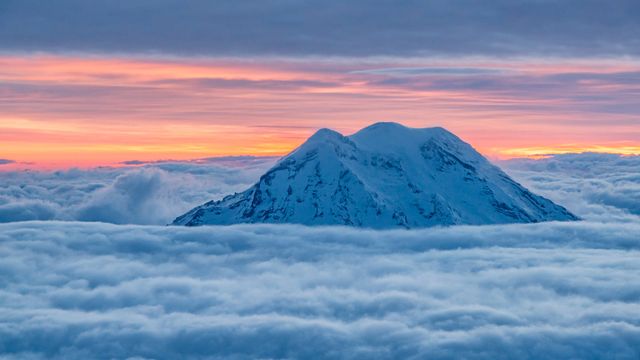 Mount Rainier National Park in Washington state
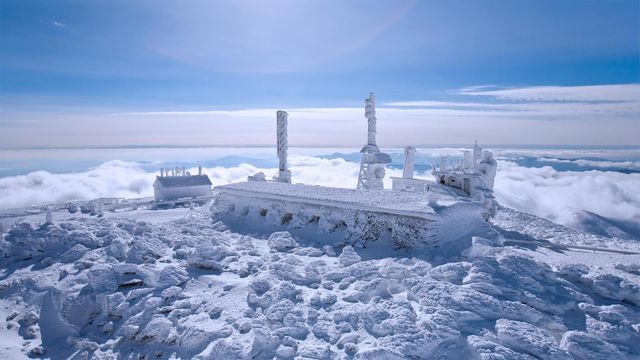 The Mount Washington Observatory in New Hampshire
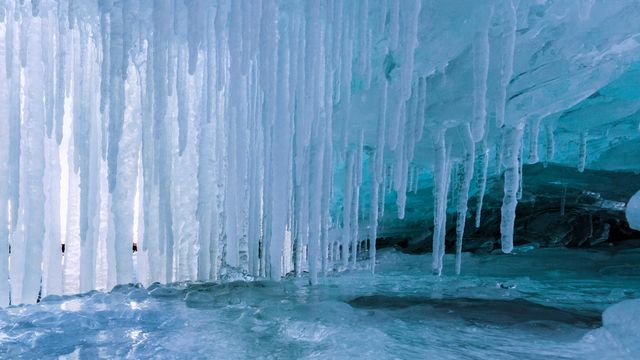 Icicles on Lake Superior, Thunder Bay, Ont.
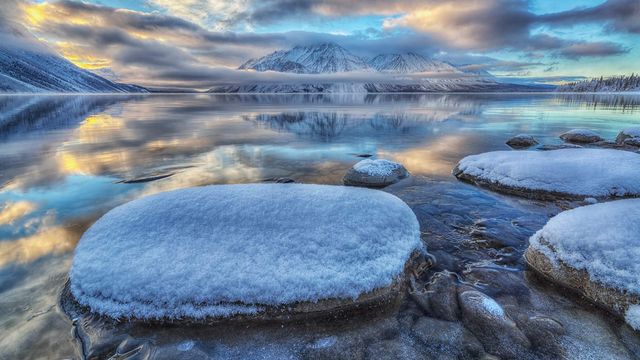 Kathleen Lake and Mount Worthington in Kluane National Park, Yukon
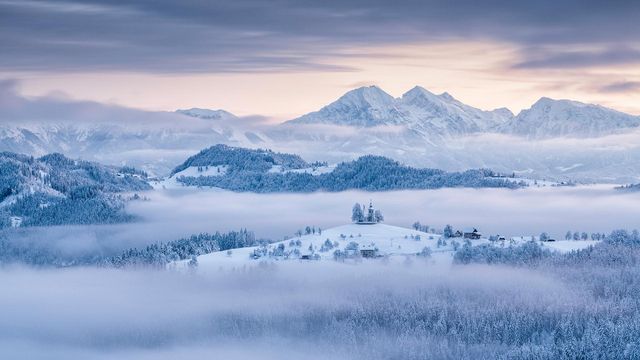 The Church of St. Thomas above the village of Praprotno, for Slovenia Independence and Unity Day
Bing Today Images