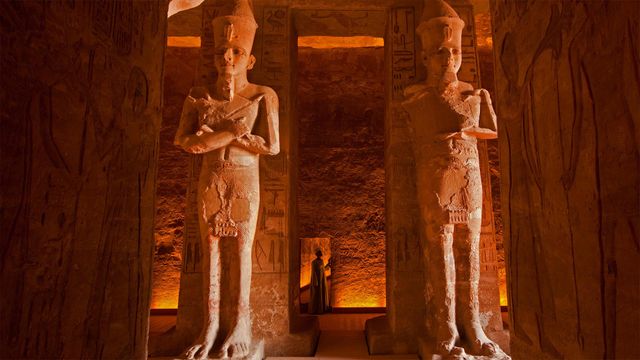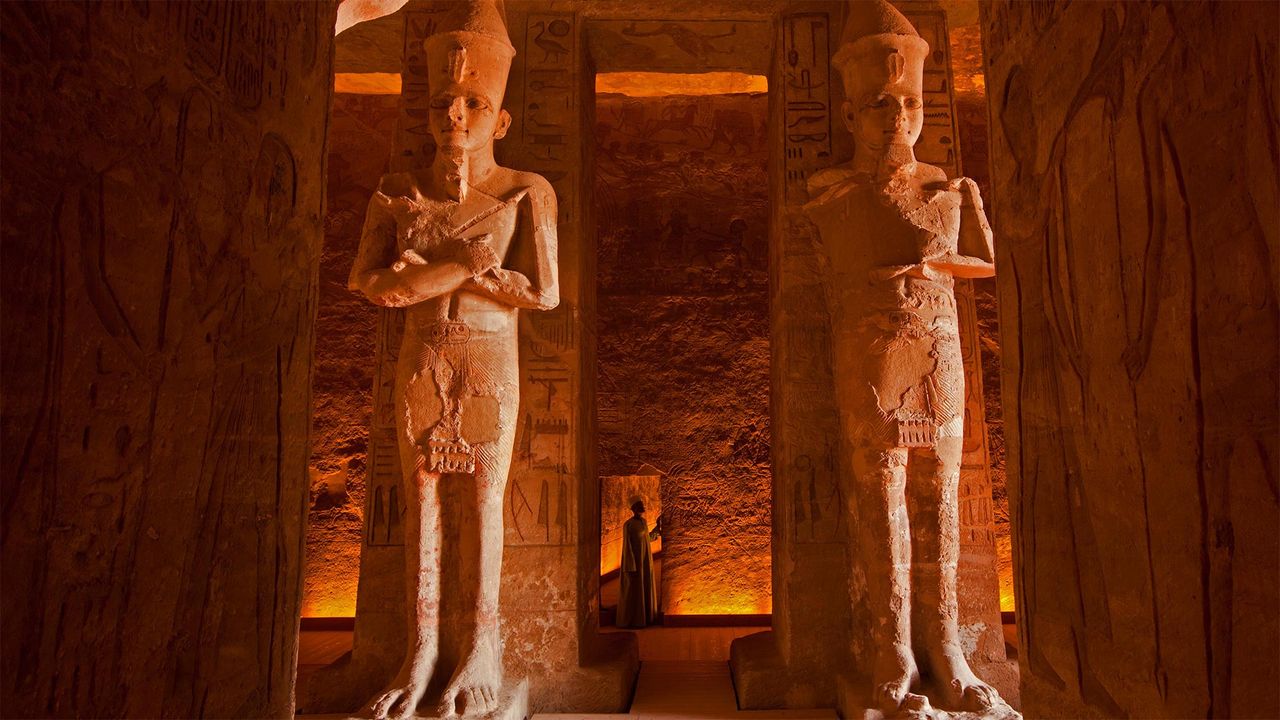
The interior of the Abu Simbel Great Temple in Egypt
© George Steinmetz/Getty Image
A temple, preserved
These temples, commissioned by Egyptian pharaoh Ramesses II around 1264 BCE, would not be around for us to photograph if it weren’t for the efforts of the United Nations Educational, Scientific and Cultural Organisation (UNESCO). A couple centuries after the Abu Simbel temples were completed, Ramesses’ empire had collapsed and the sands of the Nubian region of North Africa began to consume them. European explorers ‘discovered’ Abu Simbel in the early 1800s, leading to massive efforts to excavate and preserve the ruins of the great pharaoh’s monument to himself.
But it wasn’t until the 1950s, when the Egyptian government began drawing up plans for the Aswan High Dam, that preservation of Abu Simbel and other historic sites took on extra urgency. Planners knew the dam would flood the banks of the Nile, submerging the temples. So, the United Nations’ UNESCO branch set to work on a solution to keep Abu Simbel preserved and accessible. In 1968, UNESCO’s first major project was to literally move the massive temples to higher ground. They succeeded, of course, safeguarding one of the world's great archaeological sites. Out of this effort emerged UNESCO's drive to protect the world's most important sites of both cultural and natural heritage. To date, UNESCO has protected more than 1,000 World Heritage Sites across 167 countries that are ‘irreplaceable sources of life and inspiration’.
Related Images
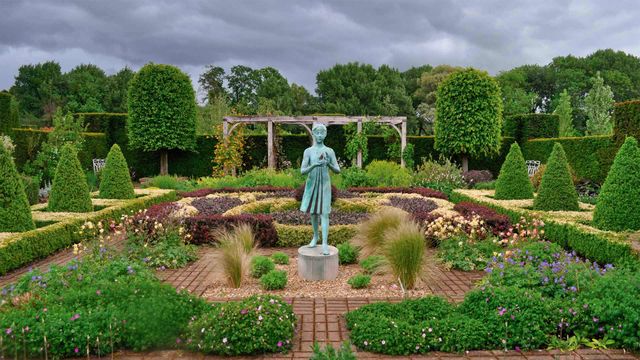 Waterperry Gardens in Oxfordshire, England
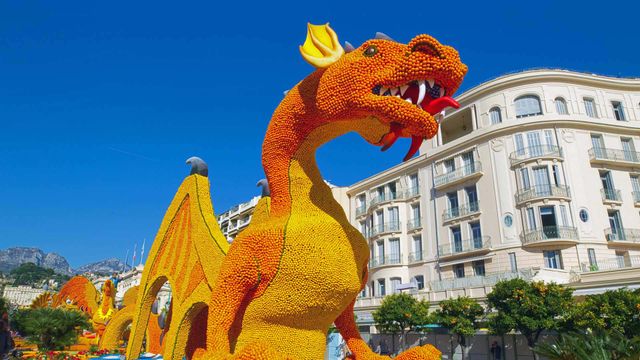 The 2019 Lemon Festival in Menton, France
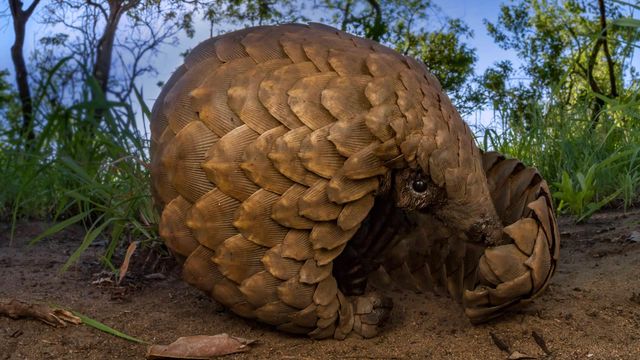 Ground pangolin at Gorongosa National Park, Mozambique
 The Great Elephant from Machines of the Isle of Nantes, France
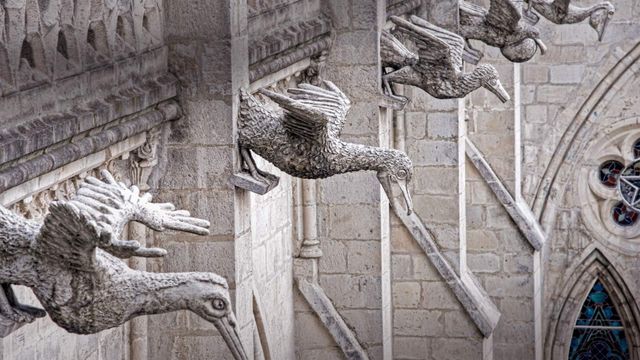 Grotesques of native Ecuadorian seabirds on the Basílica del Voto Nacional in Quito, Ecuador
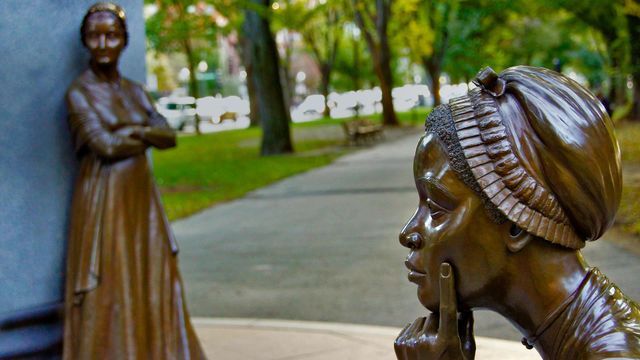 Statues of Phillis Wheatley and Abigail Adams in the Boston Women’s Memorial of Massachusetts
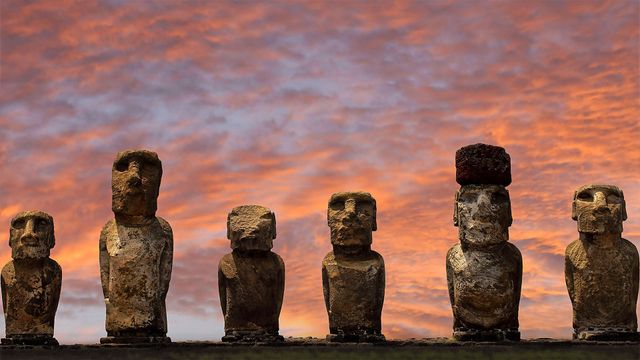 Moai statues at Ahu Tongariki in Rapa Nui National Park, Easter Island, Chile
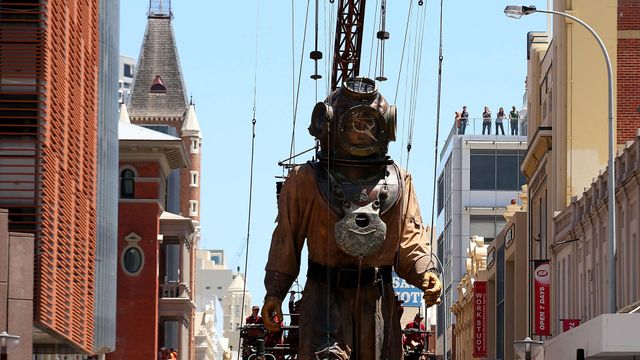 The Diver Giant walks up Hay Street during the 2015 Perth International Arts Festival
Bing Today Images