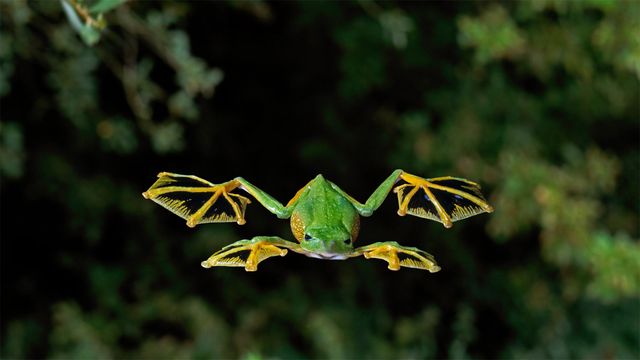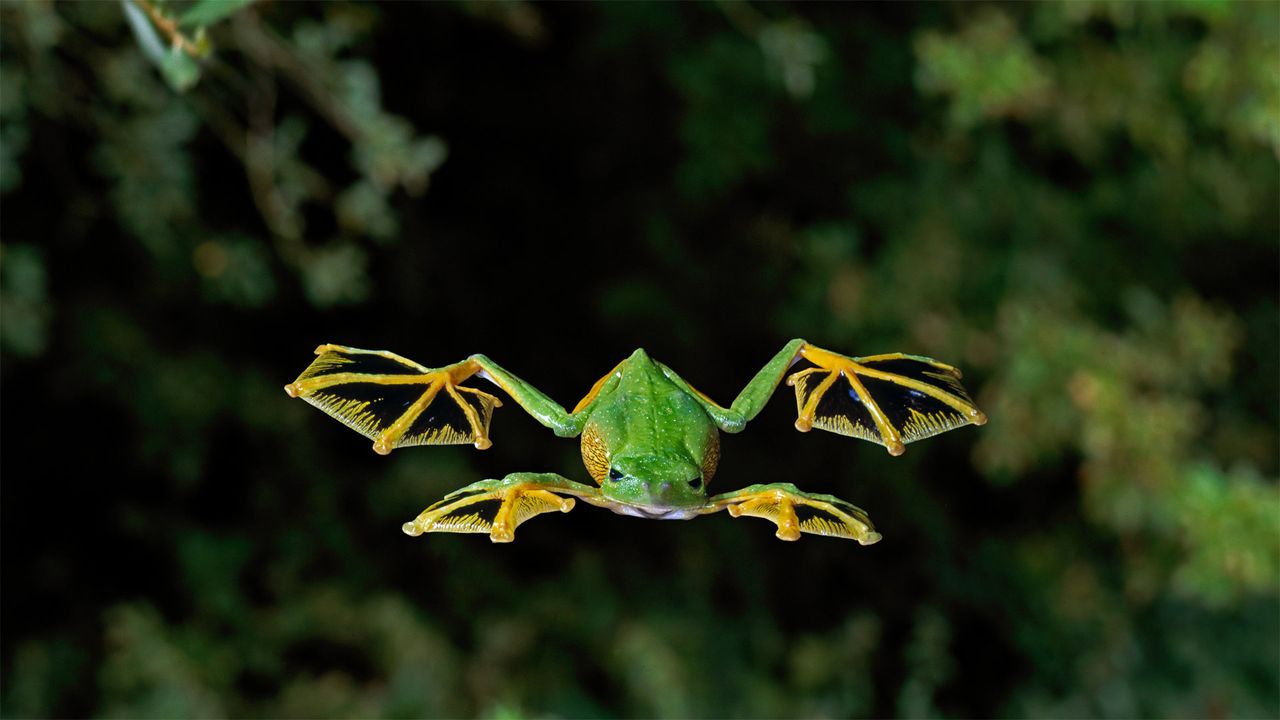
A Wallace's flying frog glides to the forest floor
© Stephen Dalton/Minden Picture
It's leap day!
For leap day (the extra day added to February every four years), we're looking at a Wallace's flying frog. Also known as parachute frogs, these critters live in the tropical jungles of Malaysia and Borneo. They spend most of their time in trees, gliding down to the ground to mate and lay eggs. They 'fly' by leaping and using their webbed fingers and toes to glide as far as 50 feet.
Leap years keep our calendar (the Gregorian calendar) aligned with the Earth's revolutions around the sun. The concept was first introduced by Julius Caesar. People often refer to a calendar year as a 'trip around the sun,' but that trip takes longer than the 365 days of a typical calendar year. It really takes 365 days, 5 hours, 48 minutes, and 45 seconds. Adding an extra day every four years solves the problem—almost. To keep our calendar mostly synchronized with the astronomical year, some further adjustments need to take place. Years that are divisible by 100 are not leap years unless they're divisible by 400. Yeah, it's confusing, and we haven't even mentioned leap seconds, but that's a topic for another day.
Related Images
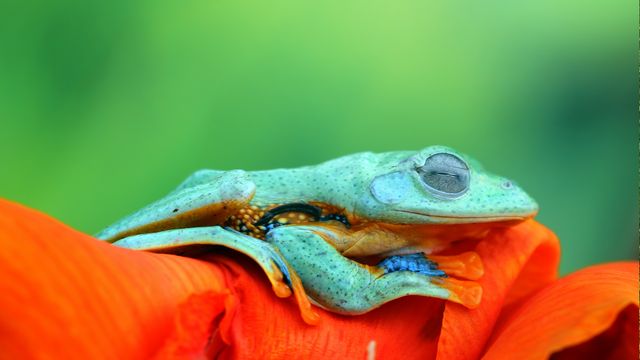 Javan tree frog
 Javan tree frogs sitting together on a stalk in Indonesia
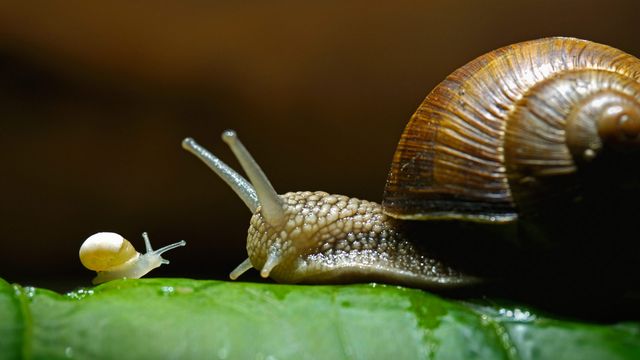 Burgundy snails, also called edible snails
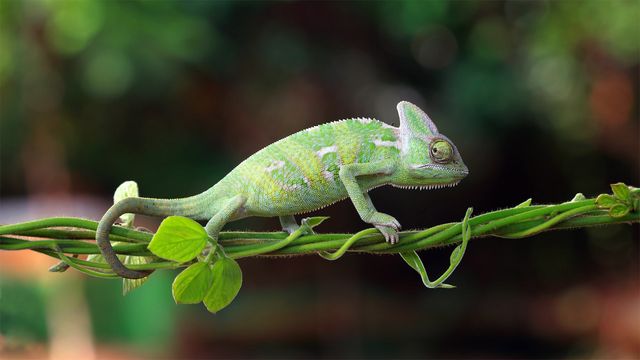 Chameleon walking on a plant, Indonesia
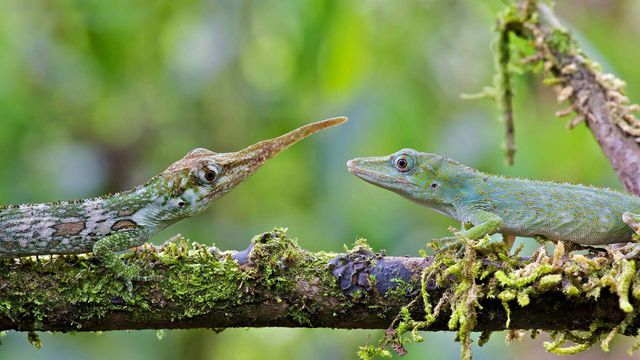 Male and female Ecuadorian horned anoles in Mindo, Ecuador
 Pinzon Island tortoise hatchling emerging from its egg at the Charles Darwin Research Station on Santa Cruz Island, Galápagos Islands, Ecuador
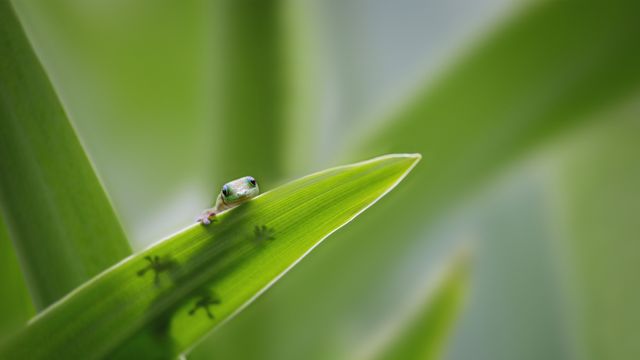 Tiny gecko on a leaf
 Javan tree frog, Indonesia
Bing Today Images