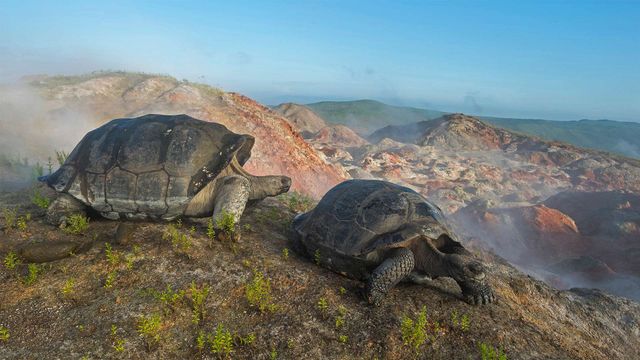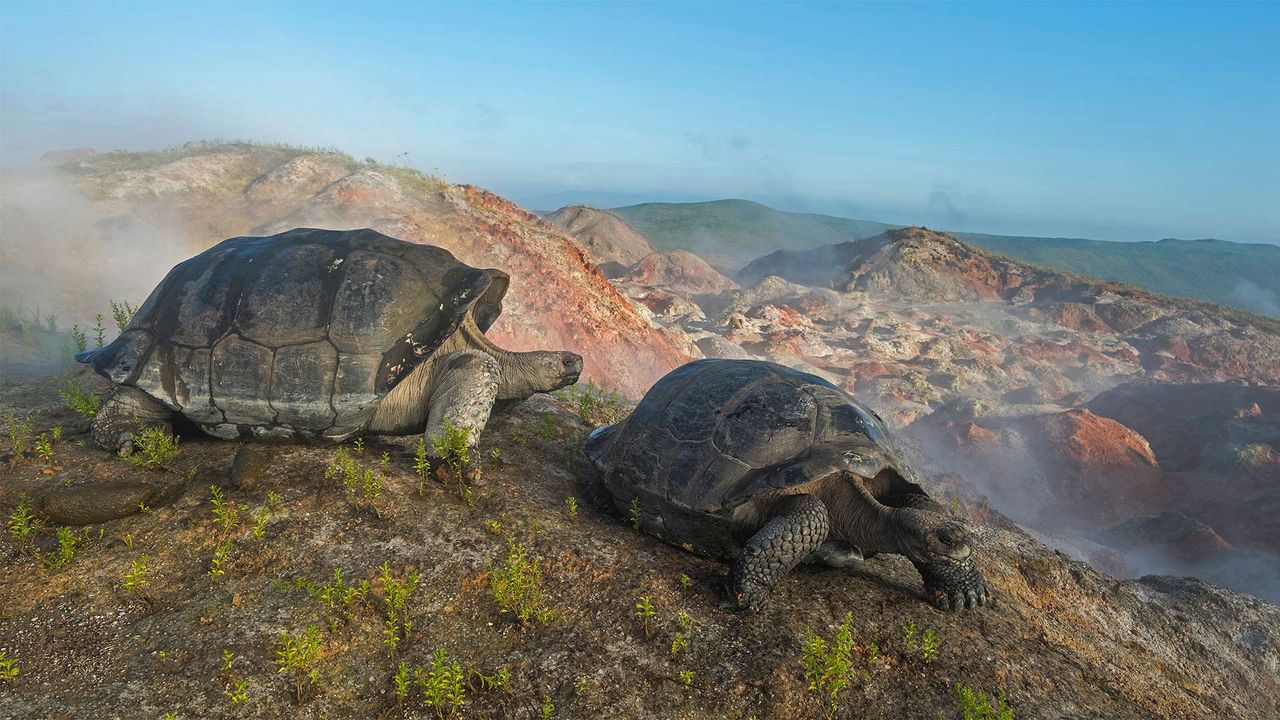
Giant tortoises on Alcedo Volcano in the Galápagos Islands
© Tui De Roy/Minden Pictures
Slow and low. A long, erratic commute
Don’t set your watch to the migration timetable of the Galápagos giant tortoise—it doesn’t follow a predictable schedule the way so many other animal migrations do. Scientists first tracked the migration of giant tortoises in the Galápagos Islands in 2013, and they’ve discovered that not only is it marvelously slow, it’s kind of erratic, and flies in the face of human understanding as to why and how most animals migrate. Only the older tortoises make the roughly 6-mile climb out of the soggy jungle up into the hills—in this case, the slopes of Alcedo Volcano on Isabela Island. The journey is loosely related to mating, but researchers think there may be many other unknown variables at play. Whatever compelled these two lumbering giants up here, in about six months, they’ll start the slow climb back down to the jungle.
Related Images
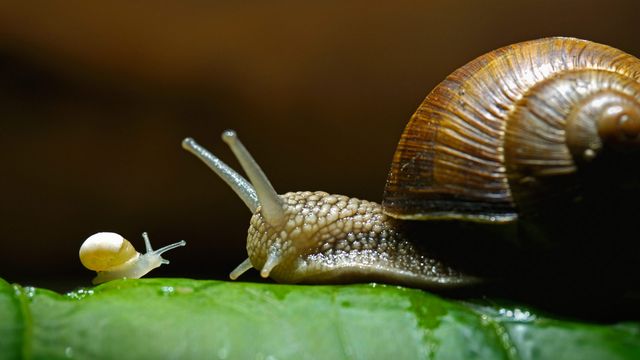 Burgundy snails, also called edible snails
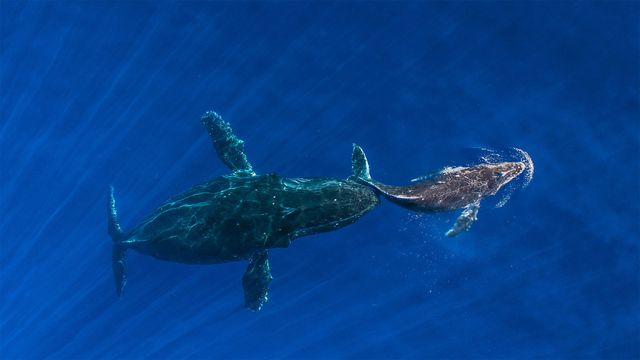 Humpback whale mother pushes her sleeping calf to the surface, Maui, Hawaii
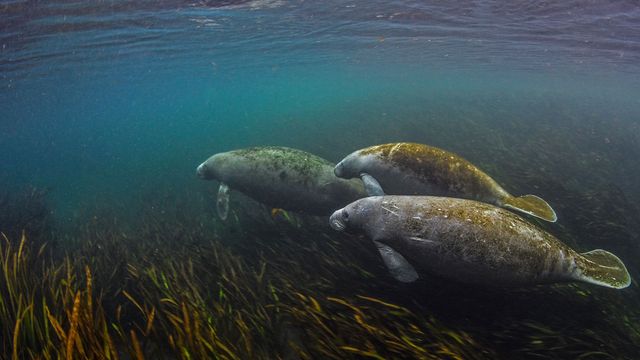 Manatees in the Ichetucknee River in Florida
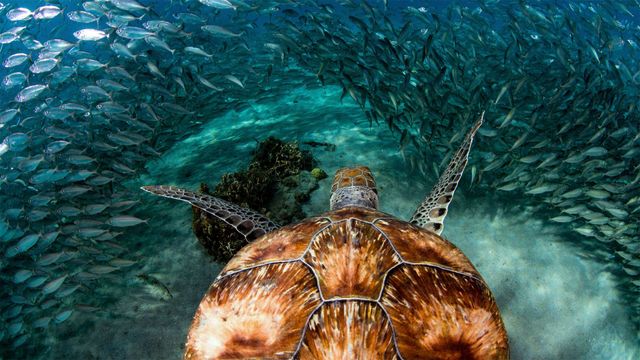 Green sea turtle with sardines near Playa Grandi, Curaçao
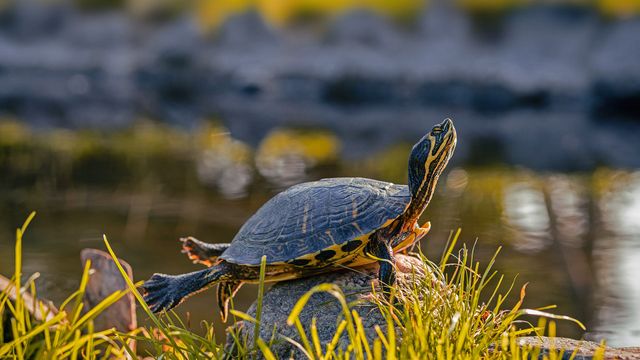 A male yellow-bellied slider
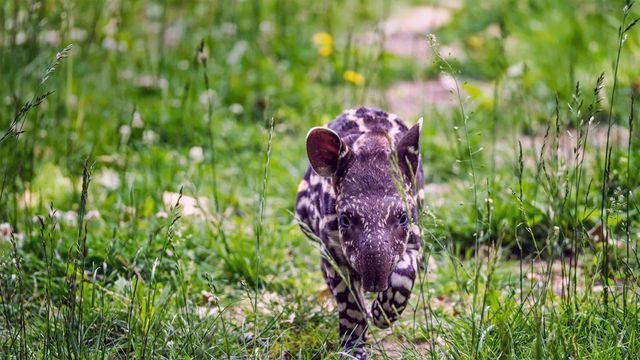 South American tapir calf trots through the grass
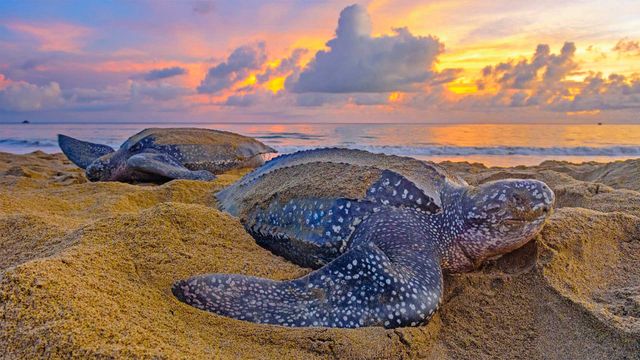 Leatherback sea turtles in Trinidad and Tobago
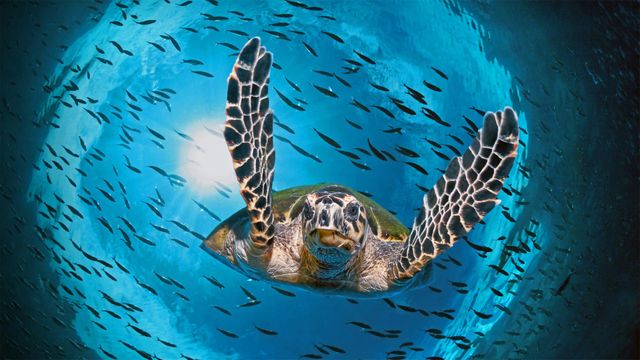 Green sea turtle diving, Great Barrier Reef, Queensland, Australia
Bing Today Images