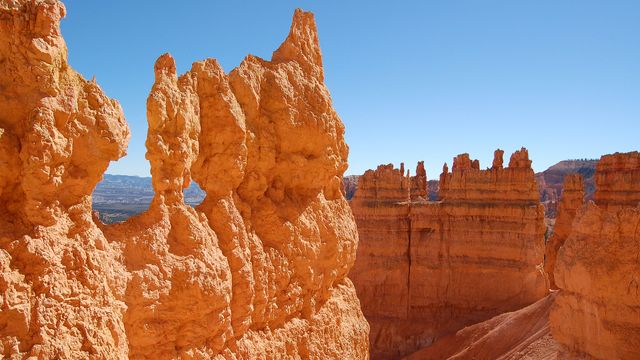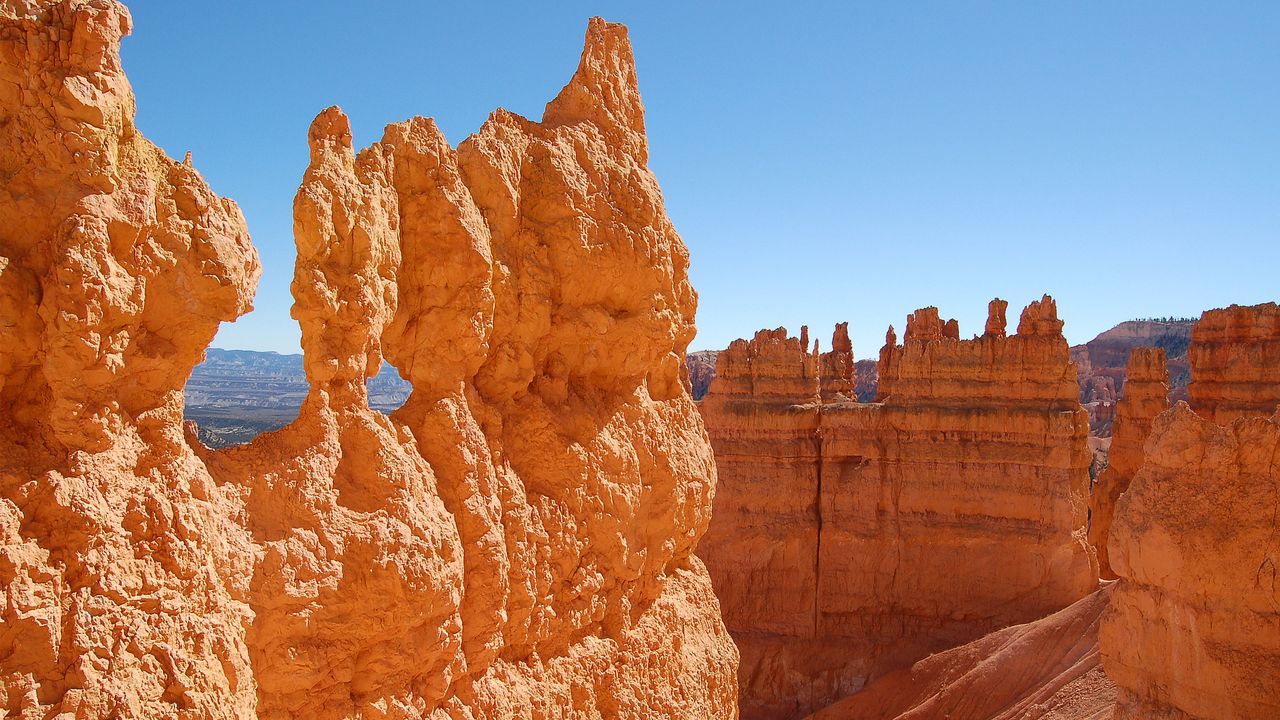
Hoodoo Rock Formations, Bryce Canyon National Park
© ueberkunst/iStock/Getty Images Plus
Hoodoo HQ
While we're seeing Bryce Canyon under the summer sun, it's the cold that's responsible for this national park's unique red-rock pinnacles, or hoodoos. Set high above sea level, the canyon sees frequent shifts between above- and below-freezing temperatures. Hoodoos formed as water seeped into massive stone plateaus, then froze and expanded to break away chunks of rock. Repeated day after day for eons, this process has left slim sections of sediment standing throughout Bryce Canyon—now the largest concentration of hoodoos in the world.
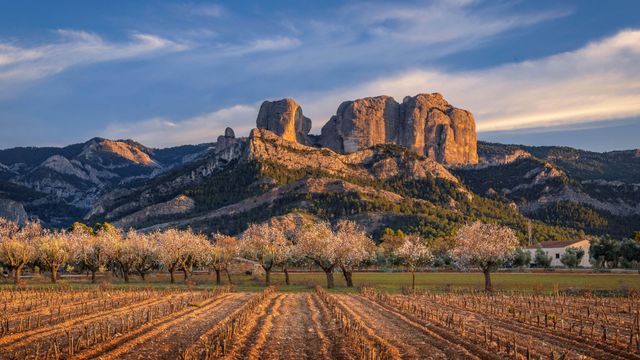 Crags Vineyard Blooming Trees Golden Hour
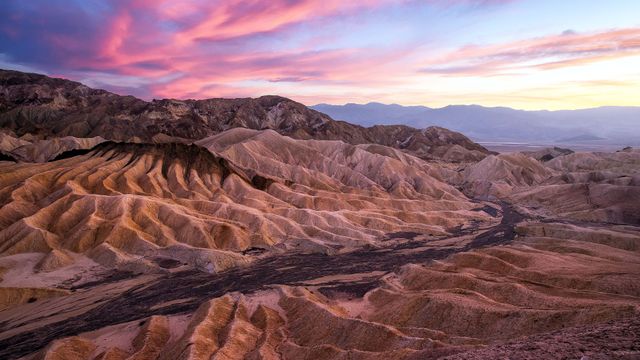 Zabriskie Point badlands, pink purple clouds, Death Valley National Park, California
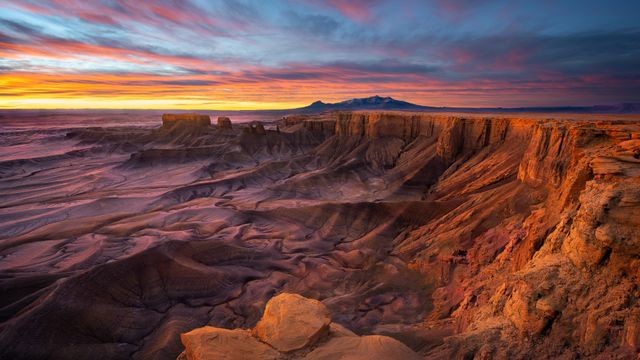 Henry Mountains Desert Badlands Sunset, Utah
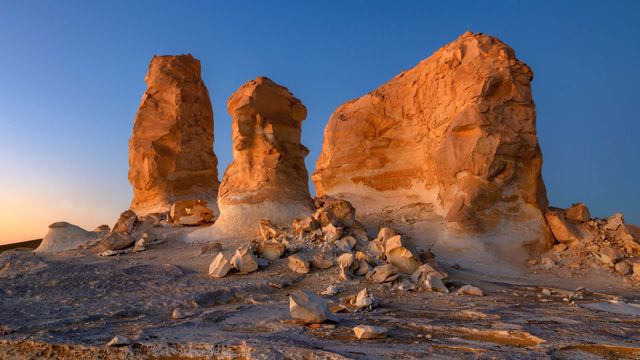 White Desert chalk pillars, sunset, White Desert National Park, Egypt
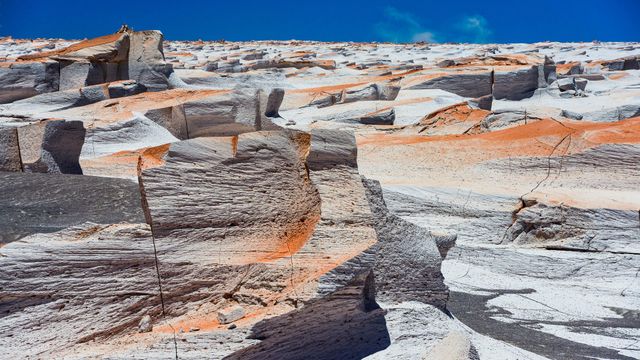 White and Orange Layered Rock Desert Formations
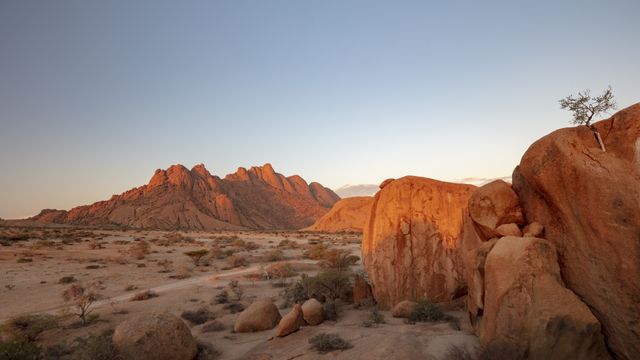 Spitzkoppe rock formations sunset, Erongo Region, Namibia
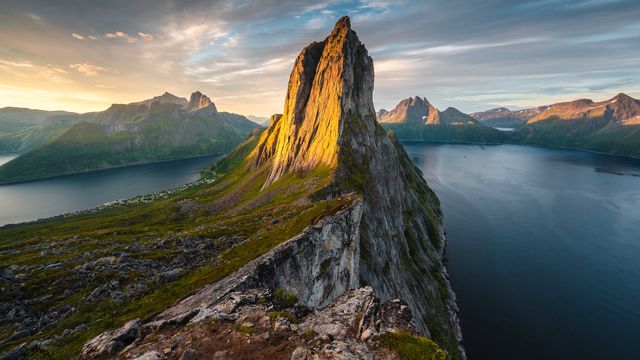 Rocky peak of Mount Segla, Norway
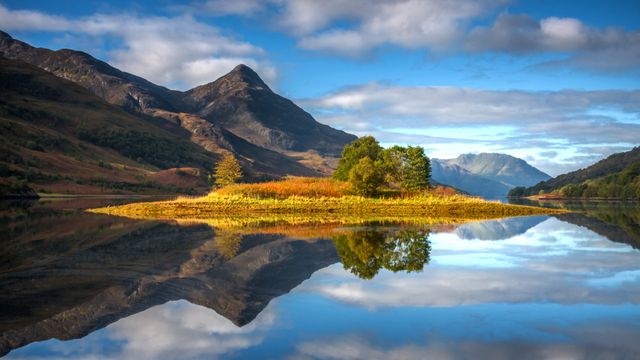 Loch Etive with autumn island, Scotland