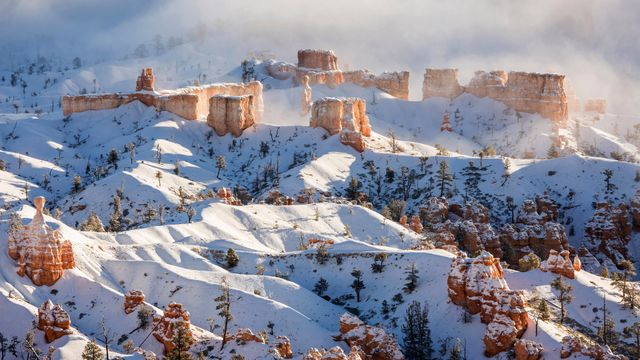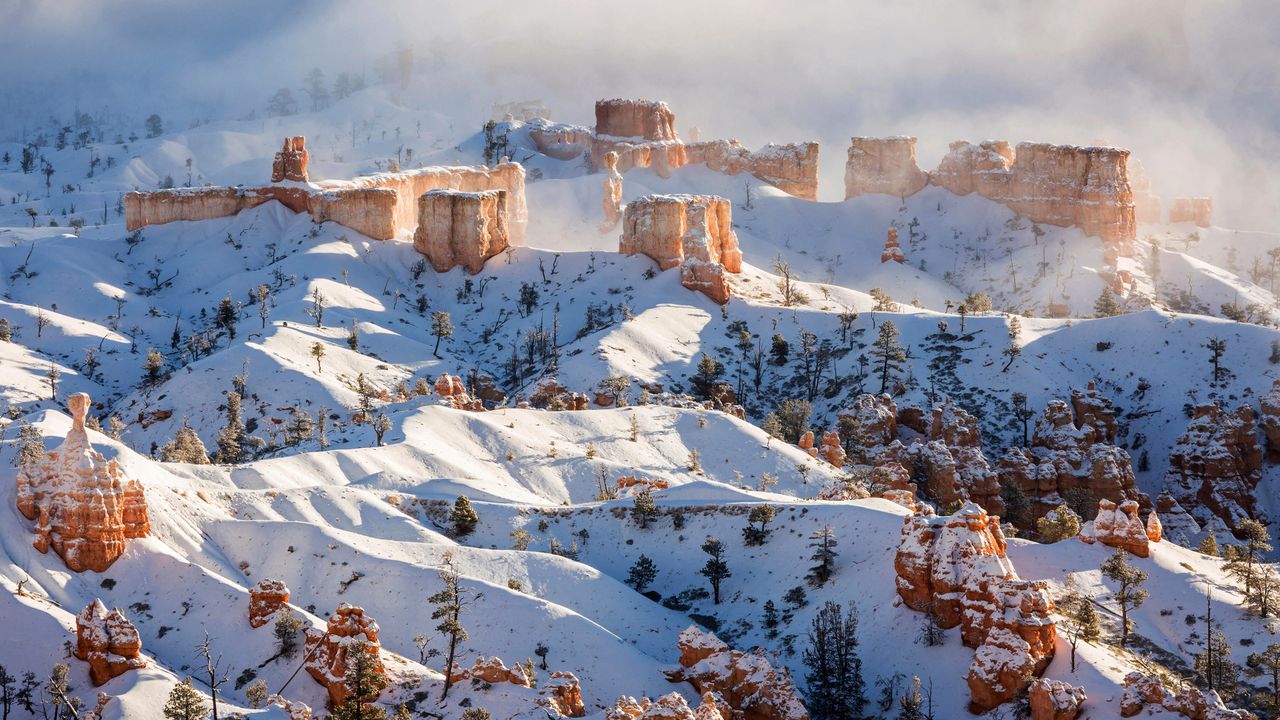
Sunset Point, Bryce Canyon National Park, Utah
© Colin D. Young/Alam
A southwestern snowfall. Bryce Canyon National Park, Utah
Snow transforms Bryce Canyon National Park, blanketing the landscape in white while its fiery orange-red hoodoos rise above the snowy terrain. Seen from Sunset Point, one of the park's most famous overlooks, these fantastical shapes are part of the Claron Formation, whose limestone was deposited about 50 million years ago and later shaped by weathering and erosion. Because much of the park rises above 8,000 feet, snow can arrive as early as October. In today's image, snow clings to the canyon's ridges and spires while mist drifts across the cliffs, creating an iconic winter scene in the American Southwest.
That persistent cold drives the relentless frost wedging that continually sculpts the rim of the Paunsaugunt Plateau. Bryce experiences roughly 200 freeze-thaw cycles each year, when daytime meltwater trickles into microscopic fractures within the limestone and expands as ice after dark. The resulting pressure widens vertical joints, steadily shattering weaker strata to carve monolithic walls into fragile fins and freestanding towers. Far from freezing the landscape into stillness, the winter snowpack acts as the primary chisel, wearing the plateau edge backward stone by fractured stone.
Related Images
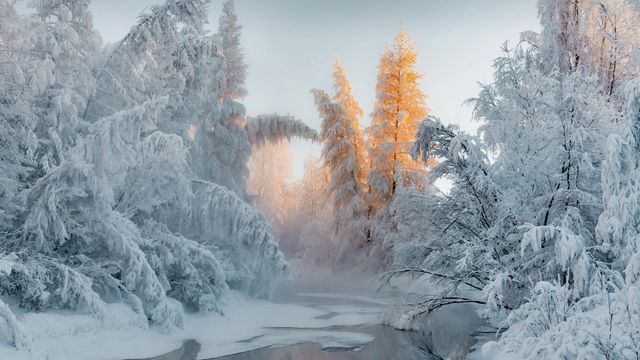 Winter in Oymyakon, Russia
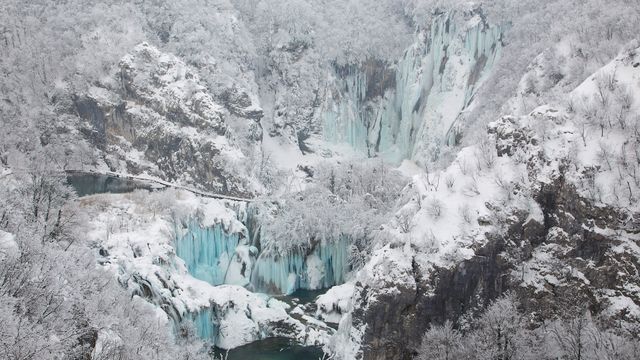 Frozen waterfalls in Plitvice Lakes National Park, Croatia
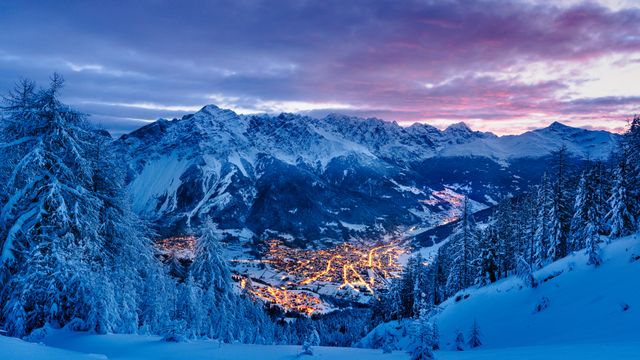 Snow-covered landscape at Bormio, Lombardy, Italy
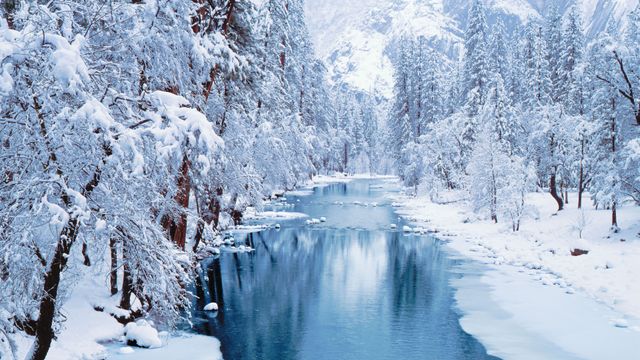 Merced River, Yosemite National Park, California
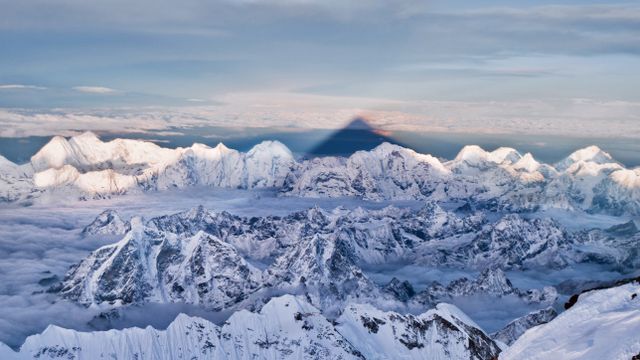 The shadow of Mount Everest over the western Himalayas in Nepal
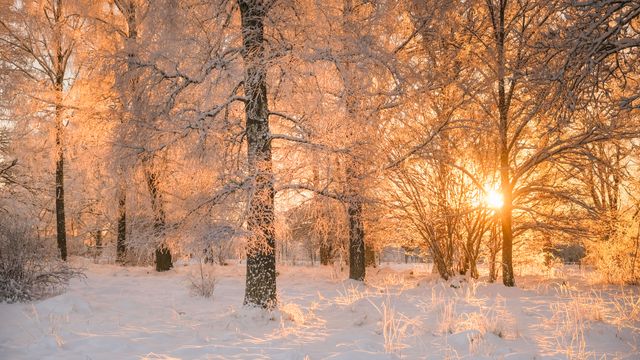 Dawn light through frosty trees, Sweden
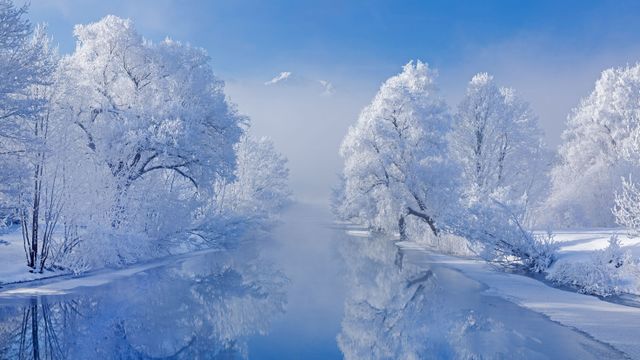 Kochelsee and Heimgarten Mountain in Bavaria, Germany
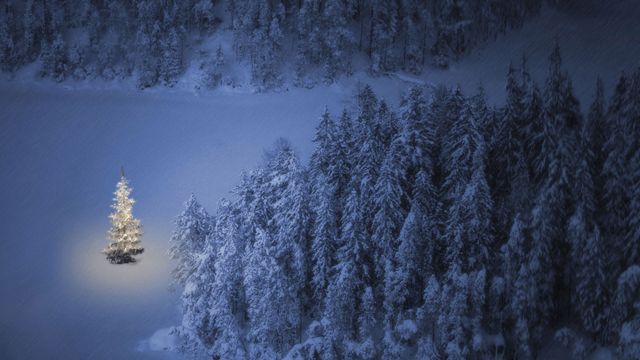 Christmas tree at Weissensee, a small lake near Ehrwald in Tyrol, Austria
Bing Today Images