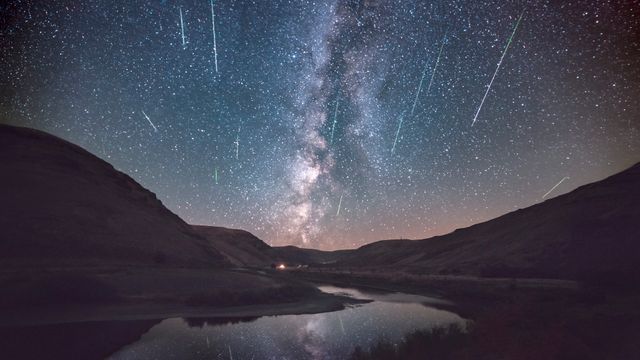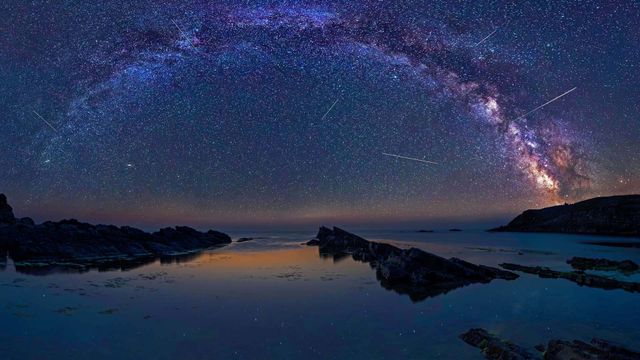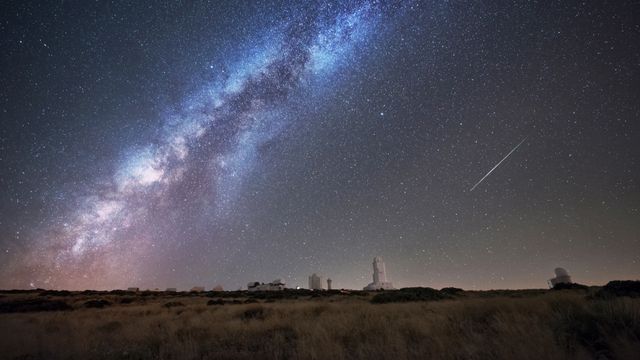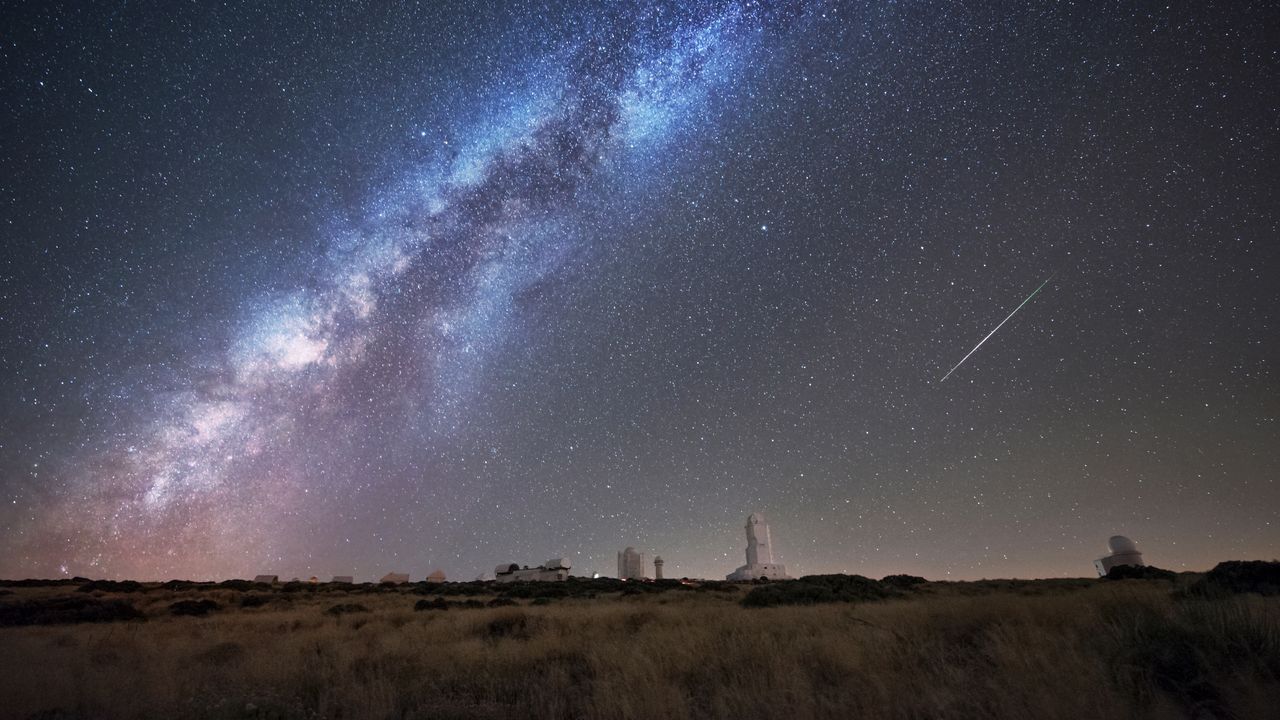
Perseid meteors over Teide Observatory, Tenerife, Spain
© Westend61/Getty Image
Make a wish. Perseid meteor shower over Tenerife, Spain
Not every summer tradition happens on the ground. Some unfold hundreds of miles overhead, one meteor at a time. The Perseids return each year from mid-July through late August, peaking around 12-13 August, when as many as 100 meteors an hour can streak across dark skies. Each meteor is a tiny fragment left behind by Comet Swift–Tuttle as Earth passes through its dust trail, appearing to radiate from the constellation Perseus. In Spain, the display is affectionately known as Lágrimas de San Lorenzo ('Tears of Saint Lawrence').
Today's image captures the shower above Teide Observatory in Tenerife, part of a protected Starlight Reserve. Perched about 2,400 metres above sea level, the observatory benefits from clear air, minimal light pollution and skies often above the island's 'sea of clouds,' making it one of Europe's finest stargazing locations. Best of all, you don't need a telescope—just your eyes, a dark sky and a little patience to enjoy nature's annual light show.
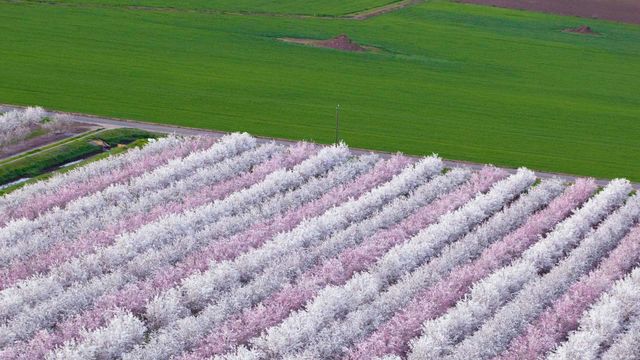 Almond orchards in bloom, Sacramento Valley, California
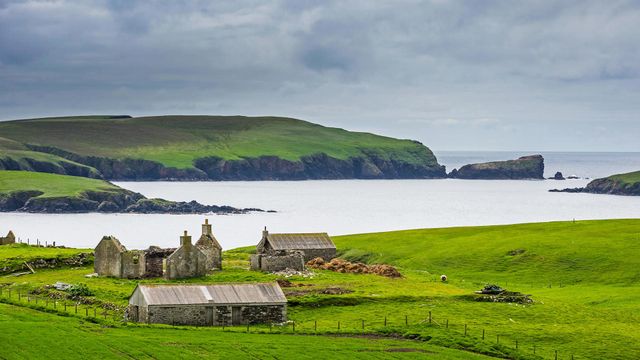 An old farm in the Shetland Islands, Scotland
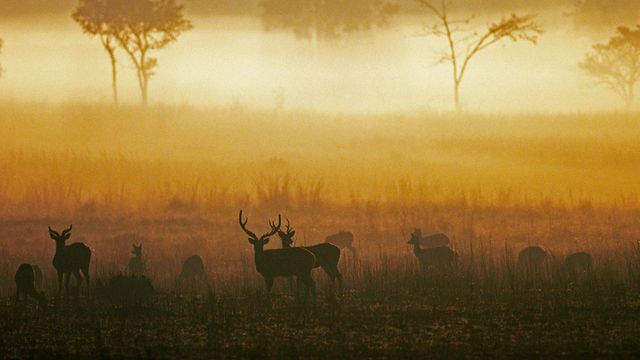 Chital, spotted deer in misty grassland at dawn, Kanha National Park, Madhya Pradesh, India
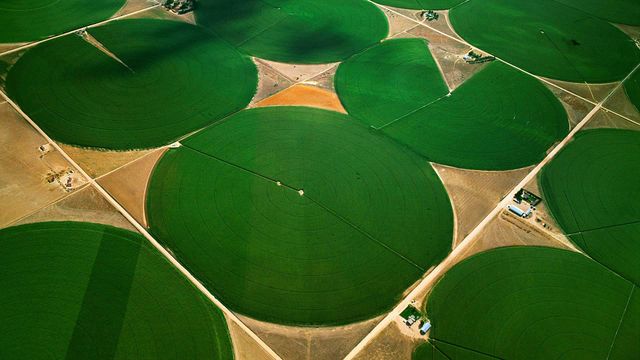 Circular agricultural fields in Morgan County, Colorado, USA
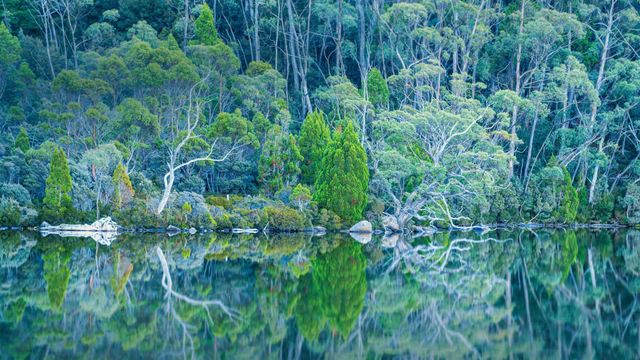 Lake Dobson in Mount Field National Park of Tasmania
 For International Beaver Day a beaver swimming in Grand Teton National Park
 Blossoming cherry trees at a tea plantation in Longyan, China
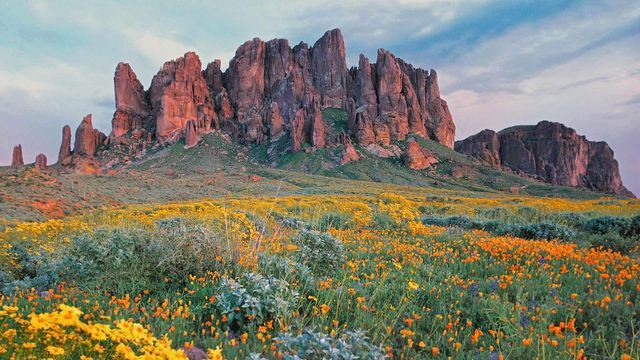 Wildflowers in bloom at Lost Dutchman State Park in Arizona, USA